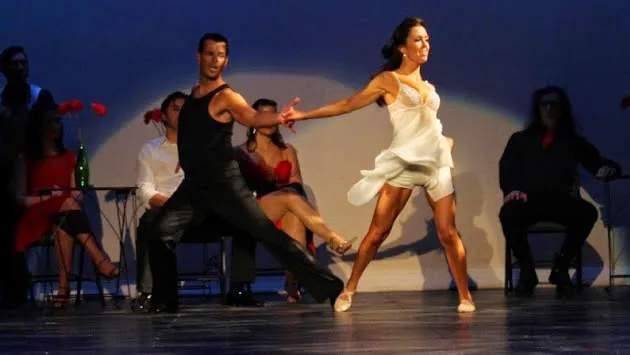
Fred Astaire Dance Studios
Address
8303 Clairemont Mesa Boulevard
San Diego, California 92111
Opening Hours
- Monday: 12:30 - 8:30 PM
- Tuesday: 12:30 - 8:30 PM
- Wednesday: 12:30 - 8:30 PM
- Thursday: 12:30 - 8:30 PM
- Friday: 12:30 - 8:30 PM
- Saturday: 10:00 AM - 2:00 PM
- Sunday: Closed
About Fred Astaire Dance Studios
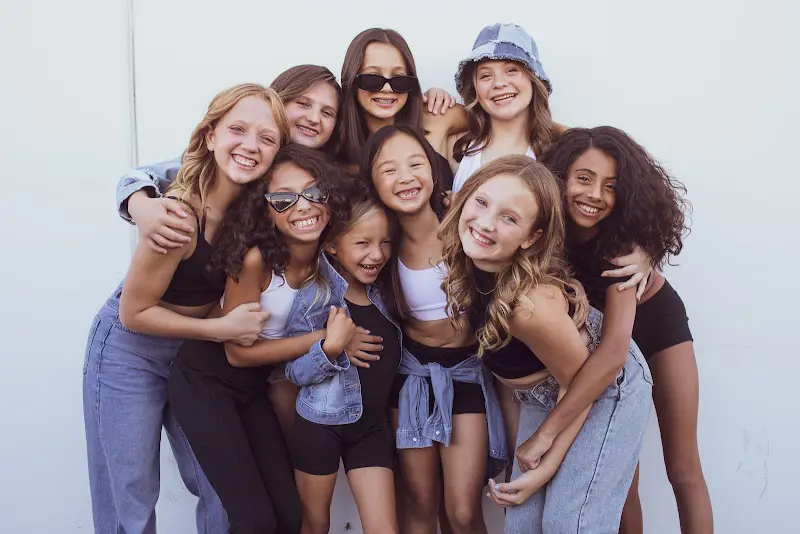
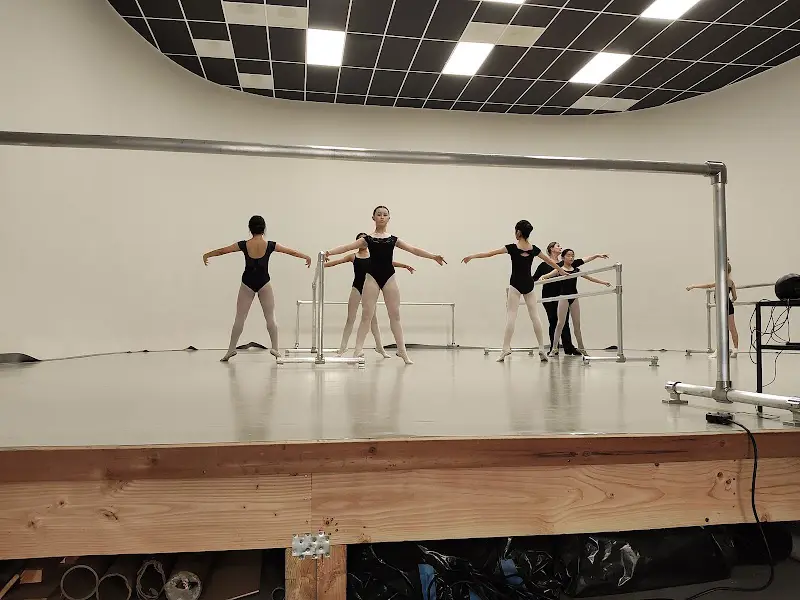
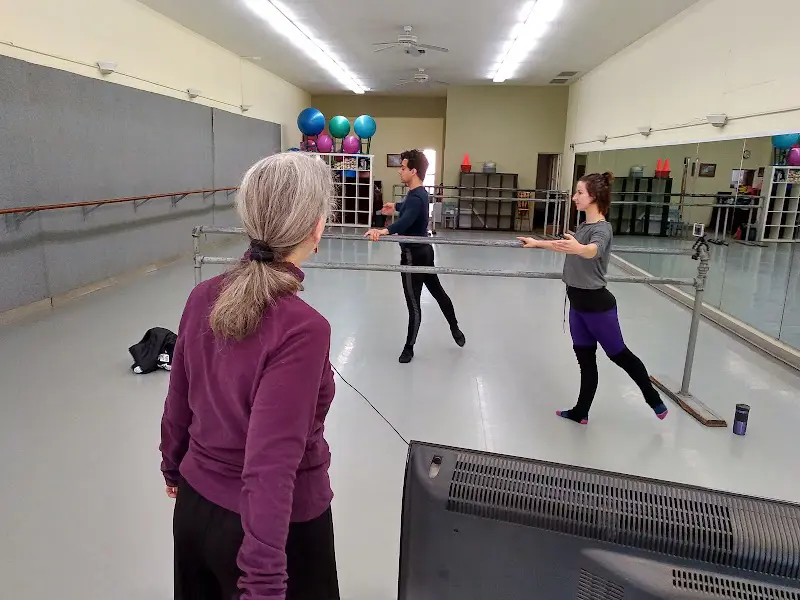
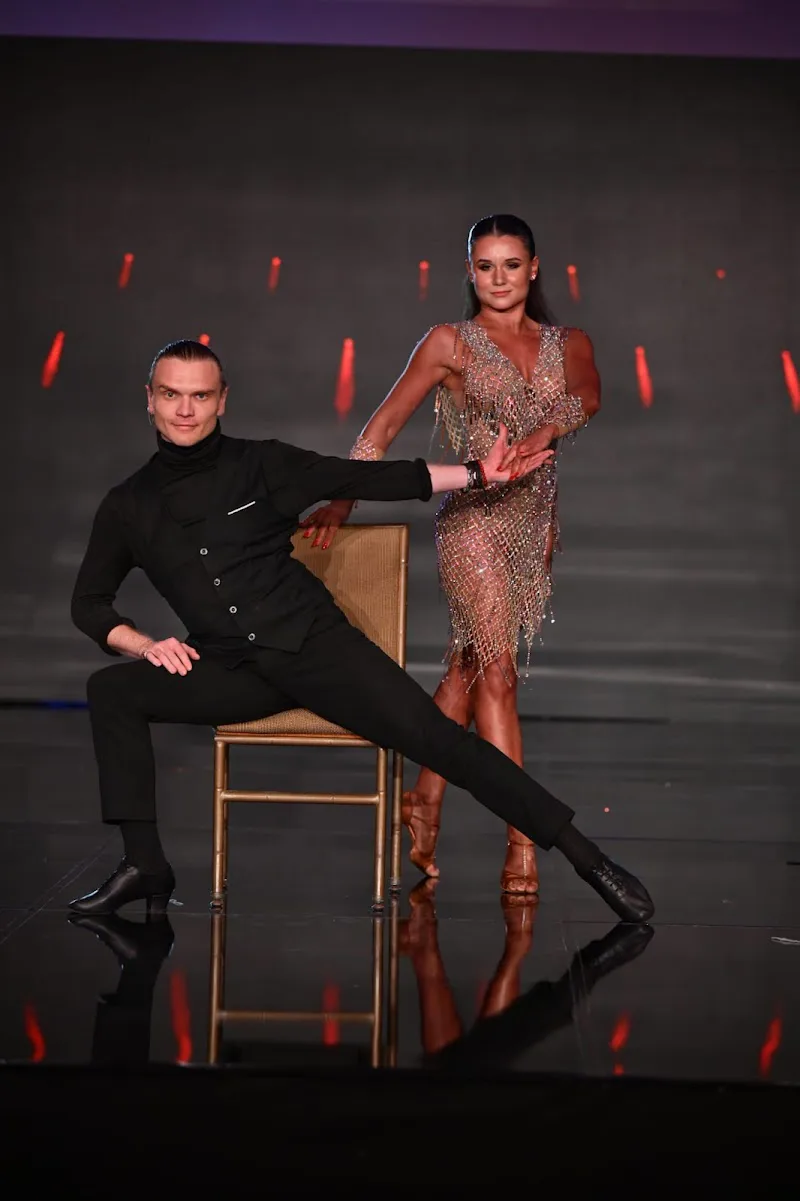
Fred Astaire Dance Studios in San Diego, California, offers a comprehensive dance education for individuals of all ages and skill levels. Renowned for its welcoming atmosphere and expert instruction, the studio specializes in a wide array of dance styles, including Ballet, Ballroom, Hip Hop, Jazz, Salsa, Tap, and Zumba. Students can explore various dance disciplines, from the foundational techniques of classical Ballet to the energetic rhythms of Hip Hop and Salsa. Ballroom enthusiasts will find a rich curriculum covering a multitude of partner dances, while Tap offers rhythmic and percussive exploration. For those seeking a fun, fitness-focused experience, Zumba classes provide a dynamic way to get moving. Fred Astaire Dance Studios is dedicated to fostering a love for dance through engaging classes and passionate instructors, making it a premier destination for dance in San Diego.
Programs from Fred Astaire Dance Studios
190 programs available
Classes
Para Dance Sport
More Fred Astaire Dance Studios’ Locations Add Para Dance Sport to their Curriculum. Fred Astaire Dance Studios Bloomfield Hills MI Hosts Country’s First Paralympics.org Sanctioned Para Dance Instructor Training.
Pro/Am competitor
For those with a competitive edge, we can also help you become a skilled Pro/Am competitor with your Instructor at lots of branded Fred Astaire Regional, Inter-Regional, National and International dance competitions!
wedding dance
We can help you with your wedding dance, all of your social dance needs – basically, any dance done with a partner.
waltz, tango, cha-cha, and salsa, to country western, swing and club dancing
We offer instruction for all partnership dances– from waltz, tango, cha-cha, and salsa, to country western, swing and club dancing. We can help you with your wedding dance, all of your social dance needs – basically, any dance done with a partner.
practice sessions
Our practice sessions take place in the studio and prepare you for dancing socially in the real world. At practice sessions, we dim the lights, supply the music, and have a fabulous time in a party-type atmosphere. Practice sessions allow you to apply material learned in your private lessons and group classes without the pressure of the public eye upon you.
group Classes
Our group classes are designed to be taken in addition to private Lessons, and consist of several students learning from one Dance Instructor. Group classes offer a wide variety of dances and topics to better your technique, physical fitness, and understanding of ballroom dance.
private instruction
Private instruction is tailored to your personal needs. Learning at your own pace is the optimum method of comprehension and that’s what private instruction makes possible. One common misconception about private lessons is that they take place in seclusion.
ballroom dance lessons
We realize you may have questions about getting started with ballroom dance lessons. For your convenience, on this page we’re offering answers to the questions we hear most often in the dance studio. Please feel free to browse these FAQs, and contact us if there’s anything further we can share that will help you feel comfortable, confident and prepared.
Dance
Discover why dance is important at every age—boosting brain health, confidence, fitness, and joy—plus how Fred Astaire Dance Studios makes getting started feel easy and fun.
Ballroom Dance Lessons For Senior Citizens
Ageless joy: Ballroom dance lessons for seniors! Improve health, mind, & connections. Unleash your inner superstar at Fred Astaire Dance Studios.
Two-Step
Country Western
Quickstep
Viennese Waltz
Waltz
Tango
Foxtrot
Argentine Tango
Smooth
Bachata
Jive
Paso Doble
Bolero
Samba
Cha Cha
Rumba
Merengue
East Coast Swing
Hustle
Mambo
Salsa
Rhythm
West Coast Swing
West Coast Swing (or Western Swing) quickly gained popularity across the U.S. because of its sophisticated style and easy adaptation to contemporary rock music. A regional style popular on the West Coast of the U.S., the dance made a bid for national recognition in the late 50s and continues to grow in popularity in the 21st century.
West Coast Swing
Waltz
The Waltz dates back to the country folk dances of Bavaria, some 400 years ago, but was not introduced into “society” until 1812, when it made its appearance in English ballrooms. During the 16th century, it was simply danced as a round dance called the Volte. In most dance history books, it is often stated that the Volte made its first outside appearance in Italy, and then later on to France and Germany. In those early days, the Waltz had quite a few different names. Some of these names were the Galop, Redowa, Boston and the Hop Waltz. When the Waltz was first introduced into the ballrooms of the world in the early 19th century, it was met with outrage and indignation. People were shocked by the sight of a man dancing with his hand upon a lady’s waist (as no proper young maiden would compromise herself so) and thus, the Waltz was thought to be a wicked dance. The Waltz did not become popular among the European middle class until the first decade of the 20th century. Until then, it was the exclusive preserve of the aristocracy. In the United States, where no blue-blood caste existed, it was danced by the populace as early as 1840. Immediately upon its introduction in this country, the Waltz became one of the most popular dances. It was so popular, it survived the “ragtime revolution.” With the advent of ragtime in 1910, the Waltz fell out of favor with the public, being supplanted by the many walking/strutting dances of that era. Dancers who had not mastered the techniques and whirling patterns of the Waltz quickly learned the simple walking patterns, which ushered in the ragtime rage and birth of the Foxtrot. In the latter part of the 19th century, composers were writing Waltzes to a slower tempo than that of the original Viennese style. The box step, typical of the American style Waltz, was being taught in the 1880s and an even slower waltz came into prominence in the early 1920s. The result is three distinct tempos: (1) the Viennese Waltz (fast), (2) medium Waltz, and (3) slow Waltz — the last two being of American invention. The Waltz is a progressive and turning dance with figures designed for both a larger ballroom floor and the average dance floor. The use of sway, rise and fall highlight the smooth, lilting style of the Waltz. Being a very traditional style of dance, the Waltz makes one feel like a princess or a prince at the ball! Whether you are interested in wedding dance instruction, a new hobby or a way to connect with your partner, or want to take your dance skills to the next level, Fred Astaire’s teaching methods will result in faster learning rates, higher levels of achievement – and more FUN! Contact us, at Fred Astaire Dance Studios of San Diego – and be sure to ask about our special Introductory Offer for new students! Check us out 10 minutes from The Lafayette Hotel and Club.
Viennese Waltz
The Viennese Waltz, as its known today, was first danced by European royalty during the era of the Austrian composers, Johann Strauss I and Johann Strauss II (1800s). Its hallmark charisma and social grace is typical of that period of history. The Viennese Waltz became the only dance of that era which is still performed by the American public. Waltz music expresses eloquently, the carefree gaiety of those bygone days that are so closely linked to Vienna, The Blue Danube and Strauss. The most startling innovation of the dance was the close proximity of the partners; so daring, it only became socially acceptable in Great Britain after it was danced publicly by Queen Victoria. It is a dance that requires a great deal of control and stamina, due mainly to the tempo of the music. The Viennese Waltz is a progressive and turning dance and features some figures that are danced in place. Rise and fall is used in the dance but differently than in other smooth dances. In Waltz and Foxtrot, a dancer will often rise above their normal standing height but in the Viennese Waltz that’s not done. Rise is created through the knees and body.
Tango
During the greatest period of the dance evolution in American history (1910-1914), the Tango made its first appearance. It was instantly a hit with the dance-conscious public for its intriguing, asymmetrical, and sophisticated patterns which added a touch of romance to the country’s dance consciousness.
Samba
The Brazilian Samba was first introduced to the U.S. Dance Masters in 1929, it became an overnight sensation. Like many other Brazilian dances, the music is an amalgamation of African and Latin American rhythm that is adorned with expressive, melodic lines. In form, the Samba is a serenade; the repetition of its melody is continually interrupted by the strumming of a guitar or other stringed instruments. Originating in Bahia, Brazil, the dance first became popular in Rio de Janeiro, and later, its intoxicating rhythm was taken up by serious Latin American composers. The Samba is festive and lighthearted, and performed today in all parts of the world. It brings to mind pictures of Rio’s festive and exotic Carnival! In its native land, the Samba is usually danced to a moderately slow tempo which contrasts vividly with the spirited version favored in U.S. The Samba has withstood the test of time and still ranks high among social as well as competitive dancers.
Salsa
Oozing with a sensuous style, Salsa has it all – passion, energy, and joy. As a dance form, Salsa has its origins in the Cuban Son and the Afro-Cuban dance, Rumba.
Rhythm, Salsa, Mambo, Hustle, East Coast Swing, West Coast Swing, Merengue, Rumba, Cha Cha, Samba, Bolero, Paso Doble, Jive, Bachata, Smooth, Argentine Tango, Foxtrot, Tango, Waltz, Viennese Waltz, Quickstep, Country Western, Two-Step
Let us help you get started with a new & exciting endeavor – ballroom dancing! Contact us today, at Fred Astaire Dance Studios – San Diego. Inside our doors on Clairemont Mesa Boulevard, you’ll find a warm and welcoming community that will inspire you to reach new heights, and have fun doing it!
Mambo
The Guaracha-Rumba quickly faded in popularity when the more exciting Mambo was introduced to Americans in the late 1940s.
Guaracha-Rumba
Of the three styles of Rumba that were introduced to the United States, the Bolero-Rumba, the Son-Rumba and the Guaracha-Rumba, only the Bolero-Rumba (shortened to Bolero) and the Son-Rumba (shortened to Rumba) have survived the test of time. The Guaracha-Rumba quickly faded in popularity when the more exciting Mambo was introduced to Americans in the late 1940s.
Son-Rumba
Of the three styles of Rumba that were introduced to the United States, the Bolero-Rumba, the Son-Rumba and the Guaracha-Rumba, only the Bolero-Rumba (shortened to Bolero) and the Son-Rumba (shortened to Rumba) have survived the test of time.
Bolero-Rumba
Of the three styles of Rumba that were introduced to the United States, the Bolero-Rumba, the Son-Rumba and the Guaracha-Rumba, only the Bolero-Rumba (shortened to Bolero) and the Son-Rumba (shortened to Rumba) have survived the test of time.
Bolero-Son
This ballroom Rumba was derived from a Cuban rhythm and dance called the Bolero-Son; the international style was derived from studies of dance in Cuba in the pre-revolutionary period which was then popularized by the descendants of African slaves of Cuba.
Paso Doble, Samba, Cha Cha, Jive
the five competitive International Latin dances: the Paso Doble, the Samba, the Cha Cha, and the Jive being the others.
Rumba
Rumba (or “ballroom-rumba”), is one of the ballroom dances which occurs in social dance and in international competitions. It is the slowest of the five competitive International Latin dances: the Paso Doble, the Samba, the Cha Cha, and the Jive being the others. This ballroom Rumba was derived from a Cuban rhythm and dance called the Bolero-Son; the international style was derived from studies of dance in Cuba in the pre-revolutionary period which was then popularized by the descendants of African slaves of Cuba. Its tantalizing rhythm first invaded the United Sates in the early 1930s, and has remained one of the most popular social dances. The Rumba is characterized by a smooth, subtle hip motion and a heavy walking step. Of the three styles of Rumba that were introduced to the United States, the Bolero-Rumba, the Son-Rumba and the Guaracha-Rumba, only the Bolero-Rumba (shortened to Bolero) and the Son-Rumba (shortened to Rumba) have survived the test of time. The Guaracha-Rumba quickly faded in popularity when the more exciting Mambo was introduced to Americans in the late 1940s. The Rumba is danced in place as the steps are quite compact. Although the Rumba is not danced with the same body contact that is used in smooth-style dances, there may be times when partnership looks and feels more attractive when a closer contact is felt. A smooth and subtle movement of the hips is characteristic of the Rumba.
Quickstep
The Quickstep, with its roots in Ragtime, was developed in the 1920’s in New York from a combination of Foxtrot, Charleston, Peabody and the One-Step. Originally it was danced solo – away from the partner, but later became a partner dance. It was originally given the name “Quick Time Fox Trot” but eventually that name was changed to Quickstep. The dance traveled to England and was developed into the dance that we know today, and was standardized in 1927. In a basic form Quickstep is a combination of walks and chasses but in an advanced stage hops jumps & many syncopations are utilized. It is an elegant and glamorous dance and body contact is maintained throughout the dance.
Paso Doble
The Paso Doble (or pasodoble), in its classical form dates back many centuries and was originally intended for use at bullfights when the matador was victorious in the arena. The music adapted itself so beautifully to the dance that the villagers danced to the exciting, lively music for hours on end. Americans first viewed the Paso Doble when flamenco dancers used this music to dance the role of a bullfighter. It has been a favorite (in its ballroom version) since the 1930s.
Merengue
Both Haiti and the Dominican Republic claim Merengue as their own. According to Haitian lore, an earlier ruler of their country had a lame son who liked to dance. In order that this beloved prince would not feel self-conscious about his affliction, the entire populace took to dancing as though they all were lame. The Dominican’s version is that the dance originated at a fiesta that was given to honor a returning war hero. When the brave warrior rose to dance, he limped on his wounded left leg. Rather than make him feel self-conscious, all the men present favored their left legs as they danced. In both countries for many generations, the Merengue was taught and danced with these back stories in mind. When couples got up to dance the Merengue, the man favored his left leg and the lady favored her right leg; while flexing their knees a bit more than usual and at the same time leaning the body slightly to the same side. Haitians and Dominicans alike refer to the Merengue as their “singing dance;” this is understandable when you consider the exhilarating brightness of the staccato rhythm. The Merengue is danced in place to Latin music.
Mambo
The Mambo can be danced according to the individual dancer’s temperament. Conservative dancers can stay in a closed position, while the more daring can perform steps that break apart and completely separate themselves from each other. Spins and turns are quite popular with Mambo dancers.
Jive
Jive evolved from the popular American dances of the 1930’s such as Jitterbug, Boogie-Woogie, Lindy Hop, East Coast Swing, Shag, Rock “n” Roll etc. Eventually all of these styles of dance would be coupled under the Hat of “Jive”, but in the 1940’s a combination of these styles was given the name “Jive” and the dance was born. During World War II American G.I’s took the dance to Europe where it soon became very popular, especially among the young. It was new, fresh, and exciting. It was adapted by the French and became very popular in Britain and eventually in 1968 it was adopted as the fifth Latin dance in International competitions. The modern form of ballroom jive is a very happy and boppy dance, with many flicks & kicks. The Jive music is written in 4/4 time and should be played at a tempo of about 38 – 44 bars per minute. A spot dance not moving along the Line of Dance. Relaxed, springy action is the basic characteristic of the International Style Jive with lots of flicks and kicks in the advanced style.
Hustle
In the late 1960s and throughout the 1970s, discotheques (or discos), with high quality sound systems and flashing lights became a popular form of entertainment in Europe and the U.S. Early ‘70s dancing in discos was mostly freestyle dancing (similar to the “rock” style exhibited by pop stars of the day like The Jackson 5) along with the prerequisite dress code of bellbottom pants and elevator shoes. In 1973, at a disco called The Grand Ballroom, a new type of “touch dance” without a name was being exhibited by females. This simple 6-count step with a very basic form, including inside and outside single turns, would give birth to what would later be called “Hustle.” The young men of the club took notice, and became interested in this new dance. As it began to gain popularity and more people began to participate, the Hustle started to evolve. In the Latin discotheques of that day, including The Corso, Barney Goo Goo’s, and The Ipanema, disco music was used as a bridge between live band sets. In these clubs, touch dancing had always been present in the form of mambo, salsa, cha cha and bolero. Although considered very much a touch dance, the Hustle was now performed mostly side-by-side and incorporated a lot of the intricate turn patterns of the mambo. The dance also included multiple turns and hand changes with a rope-y feel to the arm movements; hence, the dance was now referred to as the “Rope Hustle” or “Latin Hustle.” As dance contests sprung up across the U.S. and the phenomenon spread, many Hustle dancers were also involved in the professional performing arts community and contributed long balletic arms and elasticity to the movement. Around this time, the dance also began to move from a slotted pattern into a rotational one. As dance contests increased, young competitors were seeking an edge and so acrobatic and adagio movements were introduced into the dance for performances and competitions. In 1975, this new field of entertainment inspired nightclubs, hotels and television programs to hire young and innovative professionals to perform. With these new opportunities opening up, the young dancers sought out innovative ways to excite the club audiences. Throughout the late 1970s, even though Hustle was still taught in many different forms (4-count Hustle, the Latin or Rope Hustle) by dance studios, the most exciting form was done by NYC club dancers and competitors who performed the 3-count count Hustle (&-1-2-3.). The NYC Hustle dancers from the ‘70s paved the way for the rest of the Hustle community across the U.S. As it continued to evolve, Hustle began to borrow from other dance styles including smooth ballroom, from which it took traveling movements and pivots and other partner dance forms such as swing and the Latin rhythm dances. Hustle is danced to the contemporary pop dance music of the last 20 years. It is a fast, smooth dance, with the lady spinning almost constantly, while her partner draws her close and sends her away. Free rhythmic interpretation is characteristic of this dance.
One-Step
Polka
Foxtrot
This first freestyle use of the “slow step,” came into vogue around 1912, during the period of ragtime music. This marked a completely new phase of ballroom dancing where partners danced much closer together and ad-libbed to the new and exhilarating music.
East Coast Swing
Eastern Swing or East Coast Swing (or just Swing), evolved from the Lindy Hop and is perhaps the most famous American folk dance. The best known forms of Swing include the Charleston, Black Bottom, and Shag. In the early 1940s, these forms consolidated into what was called the Lindy.
Cha Cha Cha
Cha Cha is a dance of Cuban origin, and derives its name from the rhythm developed by a syncopation of the fourth beat. Cha Cha gathers its flavor, rhythm and charm from a derivation of three primary sources: the Mambo, Rumba, and indirectly, the Lindy (with each being danced to the same one-two-three triple step). The Cha Cha, while sprung up from Latin American roots in Cuba, really flowered under North American influence. While closely identified with the aforementioned Mambo, Cha Cha has enough intrinsic individuality to be classified as a distinct dance. Much has been written about the history of the Rumba and the Mambo, while little has been explored about the origins of Cha Cha, despite it being a dance to be reckoned with. Cha Cha’s tempo is anywhere from slow and staccato to fast and lively. It is very much an on-the-beat dance and hard not to inject one’s own feelings into it. This facet, more than any other, makes the dance fun for people of all ages. It is a real let-it-all-out type of dance. Cha Cha is danced in place as the steps are quite compact, with the feet usually no more than 12 inches apart. Popularized in the 1950’s with music by such artists as Tito Puente and Tito Rodriguez, today it is danced to popular night club kind of music.
Bolero
The Bolero was introduced to a U.S. audience in the mid-1930s; and at that time, it was danced in its classical form, which was performed to a constant beat of drums. It emerged from this classical form to what was called Son, with a faster and livelier tempo (later renamed as the Rumba). Spanish dancer Sebastian Cereza is credited with creating the dance in the year 1780; since then, the Bolero has remained a true source of expressing sensuous feelings. It is truly the “dance of love.” The Bolero is one of the most expressive dances: the use of arms and hands, legs and feet, as well as facial expression, all contribute to its beauty. Get started with your dancing adventure today, at Fred Astaire Dance Studios – San Diego. We look forward to seeing you on the dance floor, 15 minutes from The Admiral Baker Golf Course!
Argentine Tango
Whether you’re looking for a new hobby or a way to connect with your partner, want to improve your social life, or want to take your dancing skills to the next level, Fred Astaire Dance Studios in San Diego will have you dancing confidently – and having FUN from your very first lesson! Contact us today, less than a mile from Common Theory.
Waltz, Tango, Cha-cha, Salsa, Country Western, Swing, Club Dancing
We offer instruction for all partnership dances– from waltz, tango, cha-cha, and salsa, to country western, swing and club dancing. We can help you with your wedding dance, all of your social dance needs – basically, any dance done with a partner. For those with a competitive edge, we can also help you become a skilled Pro/Am competitor with your Instructor at lots of branded Fred Astaire Regional, Inter-Regional, National and International dance competitions!
West Coast Swing
With its sophisticated style and easy adaptation to contemporary rock music, this 1950s style quickly gained popularity in the U.S.
Waltz
The Waltz dates back to Bavaria 400 years ago, but it was not introduced into “society” until 1812, when it first appeared in English ballrooms.
Viennese Waltz
The Viennese Waltz was first danced by European royalty in the 1800s, and was deemed startling due to the close proximity of the dancers.
Tango
The romantic Tango descended from an early Spanish folk dance, and features intriguing asymmetrical and sophisticated dance patterns.
Samba
Of Brazilian origin, this festive serenade features a repetitive melody, continually interrupted by the strumming of a guitar.
Salsa
Salsa combines passion, energy, sensuous style and joy, and has its origins in the Afro-Cuban dance, Rumba.
Rumba
Characterized by a smooth, subtle hip motion and a heavy walking step, Rumba first invaded the U.S. in the early 1930s.
Quickstep
The Quickstep has its roots in 1920s New York City Ragtime, and only later became a partner dance.
Paso Doble
This dance dates back many centuries, and was originally intended for use at bullfights when the matador was victorious in the arena.
Merengue
Lore has this dance originating at a royal fiesta honoring a returning war hero, in either Haiti or the Dominican Republic.
Mambo
First introduced in Latin America in the 1930s, Mambo attained instantaneous popularity in American film and pop culture.
Jive
This style evolved from popular American dances of the 1930s such as Jitterbug, Boogie-Woogie, Lindy Hop, East Coast Swing, etc.
Hustle
A more modern entry, this disco style was most popular in the nightclub scene from the late 1960s through the 1970s.
Foxtrot
In 1912, Vaudeville dancer Harry Fox was the first to use the “slow step”, danced to an exhilarating new style of music – ragtime.
East Coast Swing
East Coast Swing evolved from the Lindy Hop in the 1940s, and is perhaps the most famous American folk dance.
Cha Cha
A Cuban dance derived from the Mambo and Rumba; its name comes from the rhythm developed by a syncopation of the fourth beat.
Bolero
Classic Bolero, introduced in Spain in 1780, is truly the “dance of love”, and is performed to music featuring a constant beat of drums.
Argentine Tango
Although the exact origins of the dance (and the world) are lost to legend, Tango originated in Argentina in the late 1800s
Partner Dancing
Our proprietary teaching method that not only teaches the mechanics of partner dancing, but also presents the building blocks of how people absorb and retain information. Our training program ensures a consistent, high-level of dance instruction.
Ballroom Dance Instruction
Learn how to ballroom dance should always be fun! You’ll instruct students of all ages and abilities, and help them realize their ballroom dancing goals, in a friendly and inspirational atmosphere. Our teaching philosophy is simple and straightforward.
lifelong dance
Using these unsurpassed training and certification programs, our mission has always been to share the joy of lifelong dance as a tool to inspire, renew and empower our students, instructors, staff and communities!
ballroom dance instruction
Fred Astaire Dance Studios has been the premier brand in ballroom dance instruction for over 75 years, offering comprehensive tools and training, plus the ongoing support you need to create a successful entrepreneurial business. The proprietary curriculum was developed by Mr. Fred Astaire himself.
ballroom dance excellence
Fred Astaire Dance Studios has been the premier brand in ballroom dance instruction for over 75 years, offering comprehensive tools and training, plus the ongoing support you need to create a successful entrepreneurial business. The proprietary curriculum was developed by Mr. Fred Astaire himself.
Streaming
Kids' Dance
ParaDance
Performing Arts
Club Dances
Theatre Arts / Exhibition
International Latin
International Ballroom
American Rhythm
American Smooth
Para Dance Sport
More Fred Astaire Dance Studios' Locations Add Para Dance Sport to their Curriculum. Fred Astaire Dance Studios Bloomfield Hills MI Host Country's First Paralympics.org Sanctioned Para Dance Instructor Training.
Gifts Dads Secretly Hate: 14 Reasons Why Ballroom Dance Lessons Will Make you Dad’s Favorite This Fathers Day
Make this Fathers Day unforgettable with the gift of dance! Discover why ballroom lessons at Fred Astaire Dance Studios are the perfect way to celebrate.
Ballroom Dancing: A Long Term Solution For Men’s Health & Overall Well-Being
Discover the transformative power of ballroom dancing for men’s health and well-being. Improve physical fitness, reduce stress, enhance social connections, and foster a lifelong activity for a balanced and fulfilling life.
Ballroom Dancing and Neuroplasticity: Rewiring the Brain for Success
Discover how ballroom dancing enhances memory, attention, and cognitive function.
Dancing with Pride Month: Celebrating Diversity and Love at Fred Astaire Dance Studios
Discover the transformative power of dance during Pride Month at Fred Astaire Dance Studios. Our article explores the profound impact of ballroom dance in celebrating diversity, fostering love and acceptance, and empowering individuals to express themselves authentically. Join us as we dance with pride, break barriers, and create lasting connections. Let the rhythm guide you to a world where everyone shines.
Your Wedding Dance
Dance Lessons During Your Dance Lesson
Ballroom Dances
Tap and Jazz
Elly first started dance at age 7 with Tap and Jazz. She reintroduced dance into her life during her college years.
Dance for Good
Dance for Good is an initiative to help enrich lives through dance.
Inter-Regional Dance Competitions
Inter-Regional Dance Competitions are optional tools to help students improve their dancing, gain confidence, meet new friends, travel, and have FUN!
Regional Dance Competitions
Regional Dance Competitions are optional tools to help students improve their dancing, gain confidence, meet new friends, travel, and have FUN!
Pro/Am dancers
This class is for Pro/Am dancers to compete against dancers at their level from across the country.
Dinner Galas
Dinner Galas are exciting activities that are part of National Dance Competitions, featuring dance floor action and other exciting activities.
Pro Show
The Pro Show is an exciting activity that is part of National Dance Competitions, featuring dance floor action and other exciting activities.
Night Club Division
The Night Club Division is an exciting activity that is part of National Dance Competitions, featuring dance floor action and other exciting activities.
Excursions
Excursions are local event happenings hosted by Fred Astaire Dance Studios.
Charitable events
Charitable events are local event happenings hosted by Fred Astaire Dance Studios.
Showcases
Showcases are local event happenings hosted by Fred Astaire Dance Studios.
Spotlights
Spotlights are local event happenings hosted by Fred Astaire Dance Studios.
Guest Parties
Guest Parties are local event happenings hosted by Fred Astaire Dance Studios.
In-studio & local event happenings
In-studio & local event happenings include Guest Parties, Spotlights, Showcases, Charitable events, excursions, and much more.
Regional Dance Events
Regional Dance Events are part of the full range of branded events hosted by Fred Astaire Dance Studios.
Inter-Regional Dance Events
Inter-Regional Dance Events are part of the full range of branded events hosted by Fred Astaire Dance Studios.
International Dance Events
International Dance Events are part of the full range of branded events hosted by Fred Astaire Dance Studios.
National Dance Championships 2026
National Dance Championships is an event hosted by Fred Astaire Dance Studios.
Fred Astaire World Championships 2026
Fred Astaire World Championships is an event hosted by Fred Astaire Dance Studios.
Cross Country Dance Championships 2026
Cross Country Dance Championships is an event hosted by Fred Astaire Dance Studios.
National Ballroom Dance Competitions
National Ballroom Dance Competitions are an important and exciting element of every Fred Astaire Dance Studios calendar! Our branded National Dance Competitions are held annually at glamorous resort venues in vacation destinations across the country.
Arizona Desert Dance Classic 2026
Arizona Desert Dance Classic February 6th – 8th, 2026 Hilton Scottsdale Resort and Villas 6333...
Virtual International Championships 2026
Virtual International Championships 2026 January 22 – 25, 2026 Virtual Competition Days Hours Minutes...
South Florida Dancesport Championships 2025
South Florida Dancesport Championships 2025 December 11 – 13, 2025 JW Marriott Marquis Miami 255...
Winter Wonderland Holiday Party & Festival Finale
Themes: Dec 17 Winter Wonderland Holiday Party & Festival Finale- chance to win prizes and lessons!
Prom Night Themed Party
Themes: Dec 10 Prom Night
Fred Astaire Appreciation Day Themed Party
Themes: Dec 3 Fred Astaire appreciation day
Beach Fiesta Themed Party
Themes: Nov 26 Beach Fiesta
Sports Day Themed Party
Themes: Nov 19 Sports Day
Practice Session
Our practice sessions take place in the studio and prepare you for dancing socially in the real world. At practice sessions, we dim the lights, supply the music, and have a fabulous time in a party-type atmosphere.
Group Class
Our group classes are designed to be taken in addition to private Lessons, and consist of several students learning from one Dance Instructor. Group classes offer a wide variety of dances and topics to better your technique, physical fitness, and understanding of ballroom dance.
Private Instruction
Private Lessons consist of one Student or a couple working with one or two Dance Instructors. Private instruction is tailored to your personal needs. Learning at your own pace is the optimum method of comprehension and that’s what private instruction makes possible.
Ballroom Dance Lessons
We offer instruction for all partnership dances– from waltz, tango, cha-cha, and salsa, to country western, swing and club dancing. We can help you with your wedding dance, all of your social dance needs – basically, any dance done with a partner.
Ballet, Tap, Jazz
Ballet, Tap, Jazz...
Ballroom dance class
A reputable ballroom dance class will typically begin with a few stretching exercises, to get you prepped to execute dance steps with comfort & ease, and to protect against dance-related injury. Beginner dancers especially will notice that the more you dance, the more flexibility and range of motion your body develops.
Ballroom dancing
Ballroom dancing is that perfect combination of physical activity, social interaction, and mental stimulation, and it can bring so much to your life. It’s a great workout; has documented physical and mental health benefits; can enhance your social life and self-confidence; reduces stress and depression; promotes relaxation; is a wonderful outlet for self-expression and creativity; and it’s FUN!!
Gold Program
Silver Program
Bronze Trophy Program
The Bronze Trophy Program enables students to dance on any size dance floor, to any music, with any partner, and feel comfortable and confident.
Beginner and Social Foundation Programs
Our Beginner and Social Foundation Programs teach newer students the step patterns and techniques to move comfortably around the dance floor.
Practice Parties
Regularly scheduled practice parties complete the information taught in your private lessons and group classes. At Fred Astaire Dance Studios’ practice parties, we turn down the lights, turn up the music, and enjoy time dancing with different people in a relaxed social setting.
Group Classes
Group classes complement your private lessons, because this is where patterns, technique, and style are learned. Group classes also enable you to meet other students with similar dancing goals, develop balance, and learn the mechanics of dancing.
Private Lessons
Private lessons, with one or more dance instructors, give you the specialized and personalized attention to look and feel confident on the dance floor, while developing the ability to lead or follow any partner. We move at your pace, perfecting and polishing your dancing all the while.
Ballroom Dance
Fred Astaire Dance Studios’ ballroom dance curriculum covers the full range of American, Latin-American, International Style, Exhibition/Theater Arts dances and more. World famous dance champions and registered members of the Fred Astaire International Dance Council continually study and review our curriculum, to ensure that only the finest, most up-to-date programs are offered to our students.
ballroom dance events & competitions
Fred Astaire Dance Studios offer a variety of fun local events to make your dance experience exciting and rewarding. Guest Parties, Showcases, Spotlights, Community Outreach Events, special Coaching Sessions and off-site Group Outings encourage social interaction and help you apply what you’re learning. And our branded Regional, National and International Pro-Am and Professional Dance Competitions give you inspiring opportunities to compete, travel and hone your dancing skills in supportive and exciting environments.
American, Latin, International Style, Ballroom Style, Exhibition and Theater Arts dances
Our repertoire covers the full range of ballroom dances – American, Latin, International Style, Ballroom Style, even Exhibition and Theater Arts dances, for both social and competitive dancers. Fred Astaire Dance Studios’ proven program ensures that you learn as much as possible, in the shortest amount of time, with the most retention, and the most FUN.
Practice Parties
Fred Astaire Dance Studios’ proven program of Private Lessons, Group Lessons and Practice Parties ensures that you learn as much as possible, in the shortest amount of time, with the most retention, and the most FUN. In fact, you’ll be on your way to confident dancing by the end of your very first lesson!
Group Lessons
Fred Astaire Dance Studios’ proven program of Private Lessons, Group Lessons and Practice Parties ensures that you learn as much as possible, in the shortest amount of time, with the most retention, and the most FUN. In fact, you’ll be on your way to confident dancing by the end of your very first lesson!
Private Lessons
Fred Astaire Dance Studios’ proven program of Private Lessons, Group Lessons and Practice Parties ensures that you learn as much as possible, in the shortest amount of time, with the most retention, and the most FUN. In fact, you’ll be on your way to confident dancing by the end of your very first lesson!
ballroom dance lessons
Learning how to ballroom dance is always fun! We work with students of all ages and abilities, and our friendly and inspirational atmosphere will help make your ballroom dance journey a reality. There are thousands of reasons why people start dance lessons – and once we show you how much fun ballroom dancing can be, we know you’ll want to keep coming back!
wedding dance instruction
Learn specific dance moves for your wedding day, a new hobby or way to connect with your partner, improving your social life, physical and emotional health, or taking your dance skills to the next level. Dancing with Fred Astaire Dance Studios will result in faster learning, higher levels of achievement – and lots of smiles.
Waltz, Foxtrot, Tango, Country Western Two-Step
At Fred Astaire Dance Studios, we are experts at all styles of ballroom dance – and can incorporate any one (or more!) of them into your Wedding Dance choreography. From a classic Waltz or Foxtrot or sultry Tango, to a fun & lively Country Western Two-Step and more, our certified Dance Instructors can help!
Wedding Dance Lessons
Wedding dance lessons are a great way to have fun and relax before the Big Day. With all the decisions, schedules and deadlines involved in planning your wedding, enjoying this dedicated time together can help you both de-stress and re-energize – and we promise you’ll have lots of fun doing it.
Wedding Party Dance Routines
If you’re looking for something really memorable, we can choreograph a “YouTube-worthy” wedding dance for the whole wedding party, that’s even set to your favorite music! Extend those special moments with an awesome routine you’ll want to re-live, again and again.
Father/Daughter & Mother/Son Dances
A Father/Daughter and Mother/Son dance is a memorable complement to your First Dance. Including your parents (or the special friends or family members who will be standing in that traditional role) in your reception plans is a wonderful way to show your love and appreciation.
First Dance
Your wedding day First Dance is an everlasting expression of your love and commitment – for you and your new spouse, and for the special guests celebrating with you. We can help make your first dance as unique as the rest of your wedding day, with just a few simple steps or a fully choreographed routine!
Wedding Dance Instruction Program
Customize a Wedding Dance Instruction Program just for you, to give you both the confidence and skills to show off your style, elegance – and maybe even a little personality at your wedding reception. Let us help you create a special "First Dance" that’s totally "YOU" – be that elegant, contemporary or just plain fun.
Ballroom Dance Instruction
Fred Astaire Dance Studios has been the leader in ballroom dance instruction, and we are honored to share the joy of dance with everyone who walks through the doors of our studios. Now, we are equally honored to introduce our Students to this state-of-the-art online tool that will guide you even further on your dance journey! The Online Trophy System program is available to current FADS Students, enrollment is through participating studio locations only.
ballroom dancing
Fred Astaire dance instructors are dedicated to helping you discover the joy of ballroom dancing, and to making your learning experience enjoyable, educational, rewarding – and FUN!
competitive dancing
At Fred Astaire Dance Studios, we will tailor programs to meet your individual goals and budget for competitive dancing.
social dancing
At Fred Astaire Dance Studios, we will tailor programs to meet your individual goals and budget for social dancing.
Practice Parties
Our proven teaching method includes Private Lessons, Group Lessons and Practice Parties. They are the best way to ensure you learn as much as possible, in the shortest amount of time, with the most retention… and have the most FUN doing it!
Group Lessons
Our proven teaching method includes Private Lessons, Group Lessons and Practice Parties. They are the best way to ensure you learn as much as possible, in the shortest amount of time, with the most retention… and have the most FUN doing it!
Private Lessons
Our proven teaching method includes Private Lessons, Group Lessons and Practice Parties. They are the best way to ensure you learn as much as possible, in the shortest amount of time, with the most retention… and have the most FUN doing it!
wedding dance lessons
Whether you’re interested in wedding dance lessons, a new hobby or way to connect with your partner, improving your social life, physical or emotional well-being, or taking your skills to the next level, you’ve come to the right place.
Private Lesson
Includes 2 Private Lessons, 2 Group Lesson, and 2 Parties. Get Yours Today!
Private Lesson
Includes 1 Private Lesson, 1 Group Lesson, and 1 Party. Get Yours Today!
waltz, tango, cha-cha, and salsa, to country western, swing and club dancing
We offer instruction for all partnership dances– from waltz, tango, cha-cha, and salsa, to country western, swing and club dancing. We can help you with your wedding dance, all of your social dance needs – basically, any dance done with a partner. For those with a competitive edge, we can also help you become a skilled Pro/Am competitor with your Instructor at lots of branded Fred Astaire Regional, Inter-Regional, National and International dance competitions!
Ballroom dancing
Ballroom dancing is that perfect combination of physical activity, social interaction, and mental stimulation, it can bring so much to your life – and it’s FUN!! With all these reasons to start dancing – we challenge you to find a good reason NOT to dance.
Argentine Tango
Although the exact origins of the dance (and the world) are lost to legend, Tango originated in Argentina in the late 1800s.
Life’s Better When You Dance™ – On Demand
Fred Astaire Dance Studios’ exclusive Video On Demand platform designed to keep you dancing, learning, and progressing — wherever life takes you. Whether you want to brush up on steps between lessons, practice at home, or explore new dances at your own pace, this powerful online resource puts expert instruction right at your fingertips.
National Events
At Fred Astaire Dance Studios, our National Events are more than just competitions — they’re world-class celebrations of dance, achievement, and community. Held at stunning destinations across the country, these events bring together students, instructors, and professionals for an exciting and inspiring experience like no other.
World Cup Series
The Fred Astaire Dance Studios Dance World Cup Series is our premier competition circuit — a thrilling journey that brings together dancers from across the country (and beyond!) to showcase their skills, celebrate their progress, and experience the excitement of top-tier ballroom dance events. This series is more than just competition — it’s an opportunity for growth, connection, and unforgettable memories.
Private Lessons
Enhance your private lessons taken with our certified dance instructors (whether they are in-studio or virtual) and help you truly empower your dancing! The Online Trophy System is a program that gives you online access to the dance patterns for your enrollment level (and below), so you can practice your curriculum at home, any time – as much as you’d like!
Ballroom Dance
Learn how to ballroom dance is always fun! Step inside our Clairemont Mesa Boulevard studio, and discover a warm, welcoming & 100% non-judgmental community that will inspire you to reach new heights, feel and look confident, and have fun doing it.
Private Dance Lesson
Get our introductory offer, 1 private dance lesson for $50! Simply submit the form on this page and we’ll be in touch right away with a money-saving offer, just for new students.
Holiday Showcase & Dec birthday celebration
Holiday Showcase & Dec birthday celebration Fri Dec 19 at 7:30 pm
Beginner/Social Foundation Group Classes
Classes will be held 5 times a week on Mondays, Wednesdays, Thursdays & Fridays at 6:45pm and on Saturdays at 11:45am and are $20 per class drop in rate or purchase 10 group classes/parties for $150
Coaching Lessons also available with Mariya Ilchenko
Coaching Lessons also available with Mariya Ilchenko all day Thursday Dec 4-sign up in studio
Master Group Class with Mariya Ilchenko
Master Group Class with Mariya Ilchenko Thursday Dec 4 at 6:45 PM $35 per person
Bronze Group Classes
Bronze Group Classes : Tuesdays & Thursdays at 7:30pm $20 drop-ins Must be bronze level or higher to participate
Practice Dance Parties
Practice Dance Parties 7:30pm-8:15pm on Wednesdays and Fridays following group class and are $20 per person or free with Friday group class purchase
Courses
Waltz
December Series 4 weeks of Waltz Tuesdays at 6:45 pm $75 per person for all 4 wks
Salsa
November Series 4 weeks of Salsa Tuesdays at 6:45 pm $75 per person for all 4 wks
Festival
Festival Begins!! 5 weeks of themed parties, costumes, potlucks & dancing!! Begins Nov 19-Dec 17, themed parties on Wednesday evenings. Sponsor your teacher at a bronze, silver or gold level and start earning points for everything you do in the studio to win prizes and dance lessons. Begins November 19. Gold level sponsor will earn you the student wine trip outing. Date TBA
Workshops
April Fools Day: Top 10 Ways To Become A Dance Lesson Prank War Champion
This April Fools Day, give your dance instructor a run for their money- Dance Lesson Prank Wars! How to Trick Your Instructor” that is both.
Trophy Ball
Trophy Ball Saturday Dec 6 at Carmel Mountain Studio 12:30 pm warms up 1 pm start with guest judge Mariya Ilchenko
Camps
Dance Camps
Dance Camps are exciting activities that are part of National Dance Competitions, featuring dance floor action and other exciting activities.
Frequently Asked Questions
How do I contact Fred Astaire Dance Studios?
Call Fred Astaire Dance Studios at (858) 499-0180 or visit https://www.fredastaire.com/san-diego/.
Does Fred Astaire Dance Studios have evening hours?
Yes, Fred Astaire Dance Studios offers evening hours. Monday: 12:30 - 8:30 PM, Tuesday: 12:30 - 8:30 PM, Wednesday: 12:30 - 8:30 PM, Thursday: 12:30 - 8:30 PM, Friday: 12:30 - 8:30 PM, Saturday: 10:00 AM - 2:00 PM.
Does Fred Astaire Dance Studios have a website?
Yes, you can find Fred Astaire Dance Studios online at https://www.fredastaire.com/san-diego/.
What are Fred Astaire Dance Studios's hours?
Fred Astaire Dance Studios is open Monday: 12:30 - 8:30 PM, Tuesday: 12:30 - 8:30 PM, Wednesday: 12:30 - 8:30 PM, Thursday: 12:30 - 8:30 PM, Friday: 12:30 - 8:30 PM, Saturday: 10:00 AM - 2:00 PM.
Does Fred Astaire Dance Studios offer morning classes?
Yes, Fred Astaire Dance Studios has morning availability. Monday: 12:30 - 8:30 PM, Tuesday: 12:30 - 8:30 PM, Wednesday: 12:30 - 8:30 PM, Thursday: 12:30 - 8:30 PM, Friday: 12:30 - 8:30 PM, Saturday: 10:00 AM - 2:00 PM.
More studios near this location
Discover other dance studios around San Diego, California.