Five, Six, Seven, Eight Dance Studio - Dance studio in Butte, Montana
Google Maps

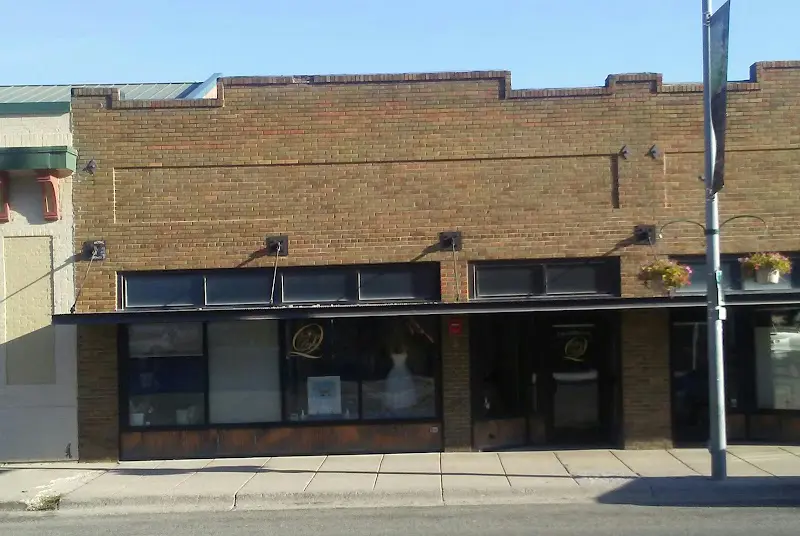
Five, Six, Seven, Eight Dance Studio

Verified
Address

71 East Park Street

Butte, Montana 59701

25 programs

About Five, Six, Seven, Eight Dance Studio

Nestled in the heart of Butte, Montana, Five, Six, Seven, Eight Dance Studio offers a vibrant and comprehensive dance education for all ages and skill levels. From the foundational grace of Ballet to the energetic beats of Hip Hop and the captivating rhythms of Salsa and Bachata, the studio provides a diverse curriculum designed to nurture talent and foster a lifelong love for movement. Aspiring dancers can explore the expressive artistry of Contemporary dance, the dynamic energy of Jazz, and the rhythmic precision of Tap. For those drawn to partner dancing, Five, Six, Seven, Eight Dance Studio offers the elegance and flair of Ballroom styles, alongside the fun and fitness of Zumba. The studio is dedicated to providing a welcoming environment where students can develop their technique, build confidence, and express themselves creatively under the guidance of experienced instructors.

Styles offered at Five, Six, Seven, Eight Dance Studio

Programs from Five, Six, Seven, Eight Dance Studio

25 programs available

Classes

Continuing Tango

Continuing moves beyond the basics to explore additional Tango footwork and musicality. Dancers must have taken the Basics class or equivalent tango series. Dancers should be comfortable with walking, ochos, and molinete in open embrace.

Tango Basics

Basics covers the very basic Tango vocabulary and introduction to the Tango embrace to get you dancing and excited to learn more. If you’ve ever wanted to learn Argentine Tango, this is the place to start!

Salsa

Salsa covers the lively dances from the Dominican Republic, Merengue & Bachata. These dances are great to mix into your Latin styles and make one caliente Salsa.

Rumba

The word Rumba is a generic term, covering a variety of names for a type of West Indian music and dance. Although the main growth was in Cuba, there were similar dance developments that took place in other Caribbean islands and in Latin America generally. Traditionally, the music was played with a staccato beat. Traditionally, the native Rumba folk dance is very sexual and danced extremely fast with exaggerated hip movements. Today's Rumba is danced very slowly and has romantic, flirtatious overtones. It is danced using a Slow Quick-Quick rhythm and features an exaggerated use of “Cuban motion” (hip movements) and fluid arm-styling. The Rumba is a spot dance like most of the Latin dances, which means that it does not travel around the room like the Foxtrot or Waltz.

Mambo

Perez Prado is thought to have introduced the Mambo at La Tropicana nightclub in Havana in 1943. The dance appeared in the United States in New York's Park Plaza Ballroom, a favorite hangout of dance enthusiasts from Harlem. The Mambo gained in popularity and in the 1950s was taught in dance studios, resorts, and nightclubs in New York and Miami. In more recent times Mambo has also evolved into Salsa. Mambo tends to be sharper in the footwork with more time spent in closed position. Small steps are taken on the ball of foot first with the knees flexible to allow for the hip action known as “Cuban motion”. Mambo is the forefather of the Cha-Cha. It also shares many patterns in common with the other Latin dances. The Mambo is a fast paced, flirty dance with an outgoing personality.

Cha-Cha

The Cha-cha is the newest of the "Latin" dances. It is a true American dance, developed in the dance studios in the early 50s as a mid-tempo variant between Rumba (slow) & Mambo (fast). It is believed to have started as a step in Mambo. This developed into an entirely new dance. Cha-cha music is slightly slower than Mambo. The Cha-cha styling is very similar to Rumba and Mambo. Like most Latin dances, your weight is forward and most of the movement occurs below the ribcage. The steps are small, taken with the ball of the foot first to better execute the hip action commonly known as "Cuban motion". The Cha-cha is a flirty dance great for couples or just to catch someone's eye!

Latin/Salsa

Latin covers the most popular dance styles of Cuba & Haiti. Cha Cha & Mambo are high energy fun dances that get you moving. Rumba, is a slow smooth dance with a flirtatious quality. Also known as la Danza del Amor. These classes are offered once a year just prior the Montana Folk Fest.

Vintage Swing Line Dances & Rueda's

The Shim Sham Shimmy , Charleston Stroll & Jitterbug Stroll are line dances that need no partner. Rueda's are choreographed dances performed in a circle using a "Caller".

Swingin' the Blues

Swingin’ the Blues this upper level class teaches East Coast Swing in a Triple-step timing to the genre of Blues music. This is a very Bluesy Swing style with attitude.

Swing Breaks

Swing Breaks teaches Level II Swing students how to incorporated 8 & 10 count Breaks from the Lindy hop into their East Coast Swing. Jumps & Dips are also taught.

Slow Drag/Blues

Blues dancing is a style that grew out of vernacular dances from African Americans during the emergence of Jazz & Blues music. The style of Blues we teach takes Slow Drag and the Freestyle Foxtrot and grounds it into a syncopated dance perfect for slower songs and a crowed nightclub floor. With close holds & sultry moves this intimate style gives you a smooth dance that you can truly make your own. This is a great dance to intermix with Tango or Triple-step Swing. Partner Required

Waltz

Like the Foxtrot, the Waltz is a Progressive Smooth dance. The first time the Waltz was danced in the United States was in Boston in 1834, as a more sedate form of the fast Viennese Waltz. It evolved in America around 1870 and by the 1920s had slowed down even more. With a strong accent on the first beat and a basic pattern of Quick-Quick-Quick, this slower version of the Waltz retained the characteristic lilt using a rise and fall technique giving the dance a floating quality. It is popularly known as the "traditional American wedding dance" and is often used for Father/Daughter & Mother/Son dances.

Freestyle Foxtrot

Similar to the Westchester Foxtrot, the Freestyle Foxtrot opens up the box into a very smooth flowing dance. This dance can also be turned into a blues style of dancing which is very sultry and has Tango-like qualities.

Westchester Foxtrot

Although often associated with the style of Fred Astaire & Ginger Rogers, the Foxtrot was actually introduced into the mainstream by Harry Fox in 1913. The Foxtrot is a Progressive Smooth dance, traveling around the line of dance (the perimeter of the room in a counter clockwise direction). Foxtrot is a lot like walking or strolling . The basic rhythm of Foxtrot is danced Slow-Quick-Quick. Musically it is very easy to hear the rhythm. It is an extremely useful dance socially and can be danced to a variety of musical styles. The Westchester Foxtrot has a fun "theatrical" quality because it covers a lot of ground gracefully and the couples can open up to allow for turns & dips.

Freestyle Foxtrot

Periodically we offer a variation of the Foxtrot called Freestyle Foxtrot. This class is offered on it's own and is open to student who have already taken Ballroom I.

Ballroom

Our Ballroom classes cover Westchester Foxtrot & Waltz. This allows student the opportunity to focus on two smooth styles of Ballroom dance. Ballroom can be danced to a wide variety of music styles, from very classical, to retro classics, on up to Rock, Rhythm & Pop and are considered to be the most widely danced styles for weddings & special events.

Modern - Bartenieff & Cunningham Technique

This class focuses on an exploration of Bartenieff Fundamentals and Cunningham Technique. Bartenieff Fundamentals are a set of movement principles created by Irmgard Bartenieff, which mimic movement development patterns in babies. Much of this practice is done on the floor to explore spatial awareness and connection of the body through the various planes of movement. Cunningham Technique was developed by Merce Cunningham, who was considered one of the pioneers of Postmodern Dance. Cunningham believed dance and music should exist independently of one another while still sharing the same space. He often choreographed pieces by “chance.” Sequences of movement would be assigned numbers and before a performance, dice would be rolled to determine in which order those movements would be performed. Cunningham technique focuses on the dancer’s ability to change direction in the body and in space. It is designed to create flexibility and strength in both the dancer’s body and mind.

Modern - Horton Technique

Based on Lester Horton's Modern dance style, Horton technique emphasizes a whole body, anatomical approach to dance that includes flexibility, strength, coordination and body spatial awareness to enable unrestricted, dramatic freedom of expression. Horton's goal was to create a dance technique based entirely upon corrective exercises, created with a knowledge of human anatomy; a technique which will correct physical faults and prepare a dancer for any type of dancing. Class focuses on floor work for core strength and flexibility & center work for an aerobic workout. This is an “open class” for all levels of expertise. The format for this class is center floor warm-up (seated & standing), across the floor work, then center floor work and a cool down at the end of class. The warm-up is a set routine with some variation in steps incorporated at different times. This is to give students the chance to learn the basics of Horton through repetitive movements & instruction. Appropriate dance attire is required for this class.

Jazz

This Jazz class is "old school" jazz with flavors of Fosse, Robins, Dunham & Broadway on up to the origins of MTV an d Hip-Hop. The format for this class is center floor work (standing & seated), across the floor work, then putting together a combination at the end of class. The warm-up is set routine with some variation in steps. This is to give students the chance to learn the basics of jazz through repetitive movements & instruction. This is an aerobic type work-out at the beginning level. Jazz works the body in a similar fashion as Ballet, with similar benefits, but has a definite faster pace aerobic component. This is a very fun class.

Ballet II

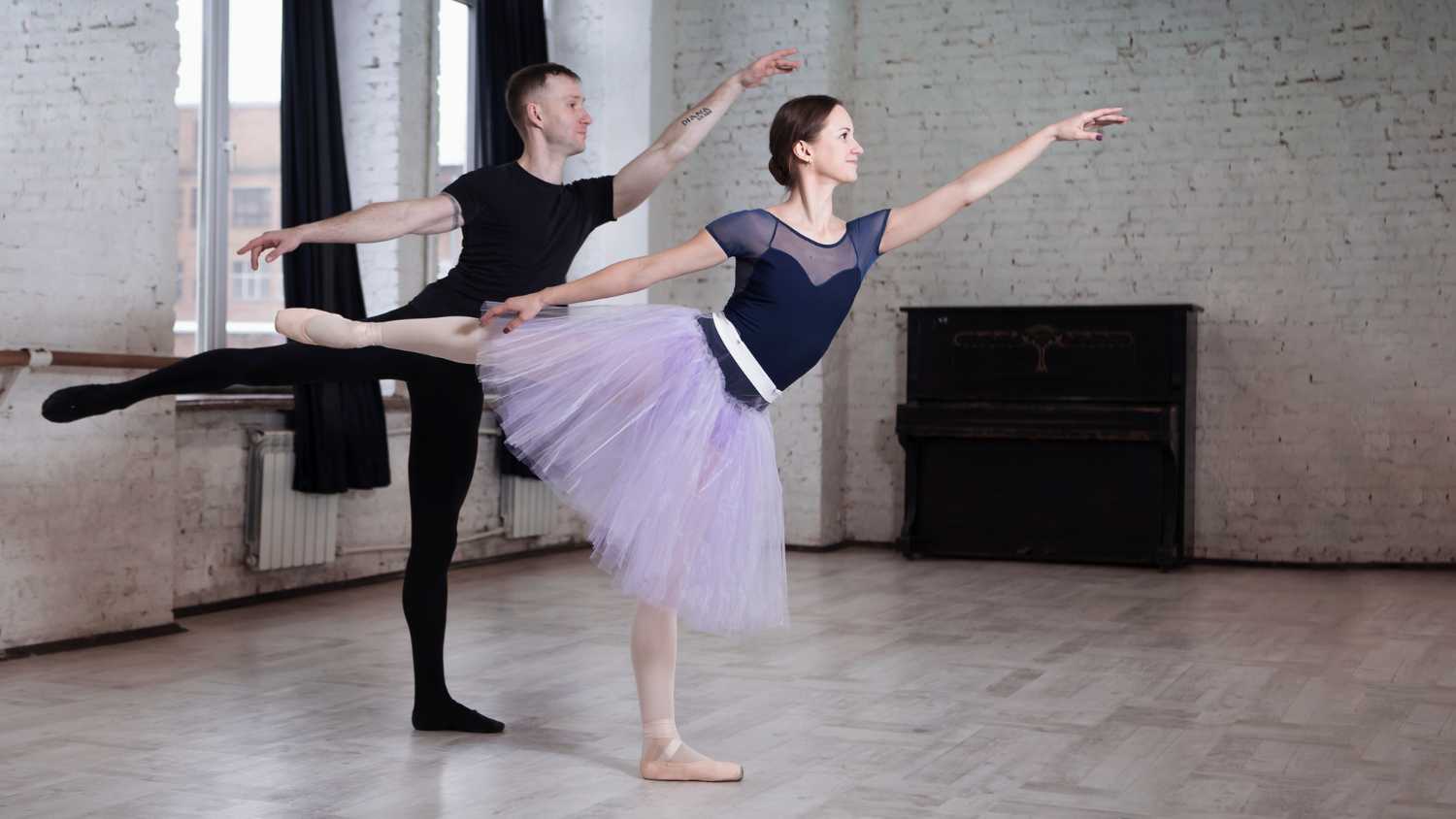
Ballet II is a more Advanced class for adults who have a broader knowledge of ballet, are moving on from Level I.5, or students who have taken ballet as a youth and have aged out of a dance program. Like Ballet I, this class is specifically designed to give students a strong foundation in classical ballet while learning class etiquette and ballet terminology. This class will work at an increased rate of execution, more advanced footwork and variation of routines. This level will also explore specific ballet technique such as Bournonville & Cecchetti. Occasionally a choreographed routine will be taught ranging from original choreography to variation of well know Ballets. Emphasis is put on working within our body's range of motion in order to gain more stability & flexibility. Open to all ages eighteen and older. See dress code below.

Ballet I.5

Ballet I.5 is an Intermediate class, for adults who have taken Ballet before and want a little more challenge. Focus is on intermediate technique, Barre work & Center Floor. This class is specifically designed to give students a strong foundation in classical ballet while learning class etiquette and ballet terminology. Emphasis is put on working within our body's range of motion in order to gain more stability & flexibility. Open to all ages eighteen and older. See dress code below.

Ballet I

Ballet I is a Beginning class for adults who have no prior ballet training or for adults that are returning to ballet after many years. This class is specifically designed to give students a strong foundation in classical ballet while learning class etiquette and ballet terminology. The focus is more on basic execution of movement, easier timing and fundamentals of the steps. Emphasis is put on working within our body's range of motion in order to gain more stability & flexibility. Open to all ages eighteen and older. See dress code below.

Ballet

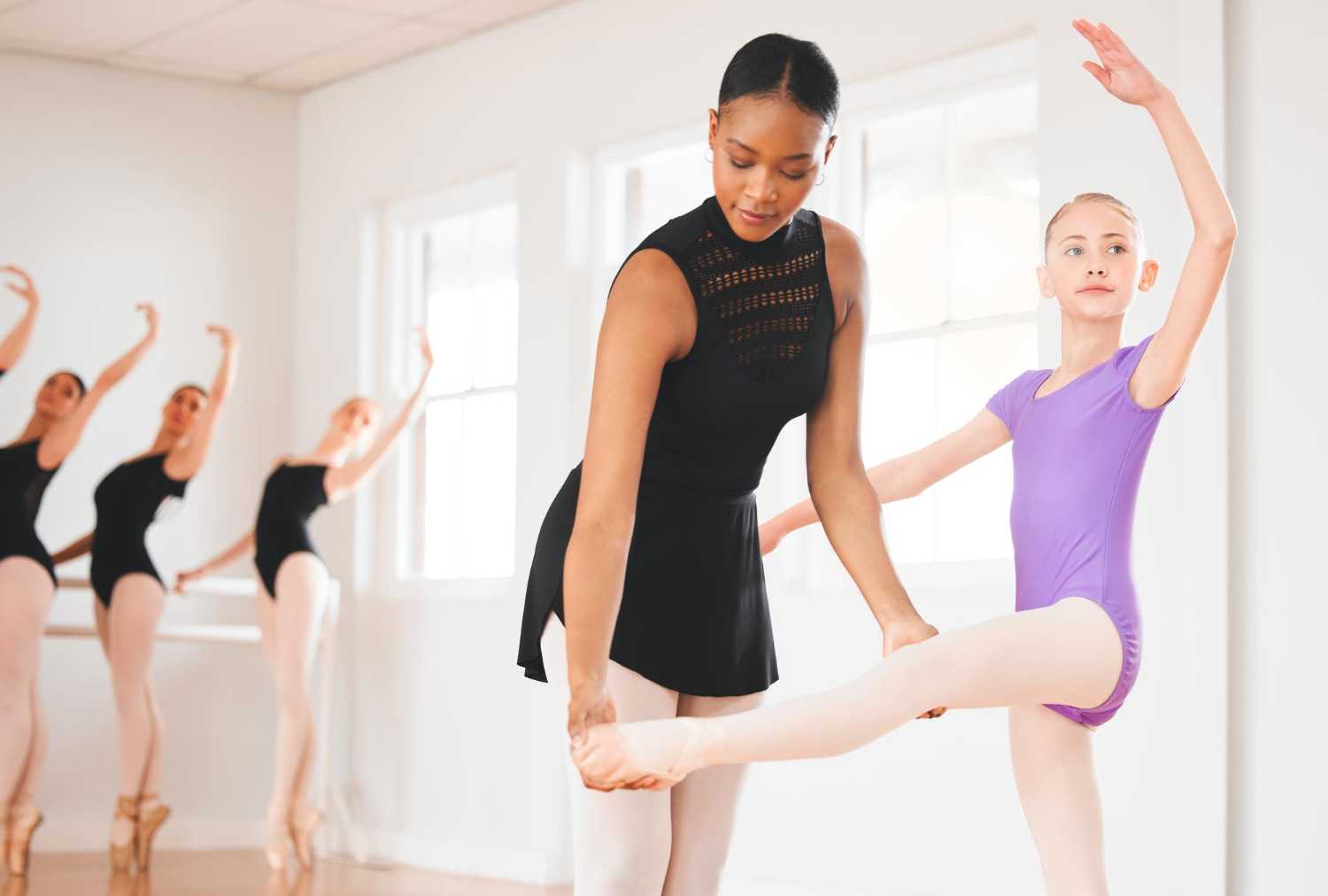
Ballet gives students a strong foundation in classical ballet while learning class etiquette, history & terminology. Various styles of Ballet are covered including Cecchetti, Vaganova & Bournonville. The class will begin with Barré work then move to traveling steps across the floor, ending with center floor combinations. Emphasis is put on working within our body's range of motion in order to gain more chore strength, stability & flexibility.

Ballet , Jazz , Modern

All Technique classes meet once a week. Classes are taught at two different levels, depending on the style. Not every dance style is offered every month. Classes focus on technique, form & execution of the dance style along with a fundamental history of the dance. Depending on the particular class level, these classes are for adults who have never taken a dance class or those who have previous training and would like to dance again. Strong emphasis is placed on technique, terminology and how to work properly in the bodies that we have today as adults. All classes are non-competitive. No class observation allowed without previous approval from instructor.

Ballroom , Blues , Swing , Argentine Tango

All Social Dance classes meet once a week for either . Classes are taught at three different Levels. Not every dance style is offered every month. These classes give you the opportunity to step out onto any dance floor, with poise and confidence, for an enjoyable time every time.


Frequently Asked Questions

How do I contact Five, Six, Seven, Eight Dance Studio?

Call Five, Six, Seven, Eight Dance Studio at (406) 490-4980 or visit https://5678dancebutte.com/.

Does Five, Six, Seven, Eight Dance Studio have a website?

Yes, you can find Five, Six, Seven, Eight Dance Studio online at https://5678dancebutte.com/.

What city is Five, Six, Seven, Eight Dance Studio in?

Five, Six, Seven, Eight Dance Studio is in Butte, Montana.

What is Five, Six, Seven, Eight Dance Studio's phone number?

Dial (406) 490-4980 to speak with Five, Six, Seven, Eight Dance Studio.

What is the best way to contact Five, Six, Seven, Eight Dance Studio?

The quickest way is to call (406) 490-4980 or visit https://5678dancebutte.com/.