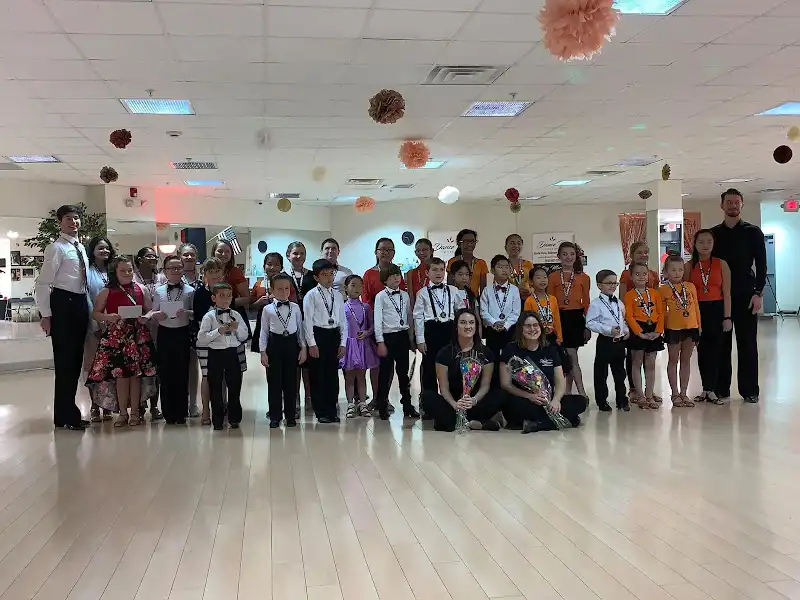
Dance Fire Studio - Dance studio in Niskayuna, New York
Google Maps

Dance Fire Studio

Verified
Address

2341 Nott Street East

Niskayuna, New York 12309

Opening Hours
  • Monday: 1:00 - 9:00 PM
  • Tuesday: 12:00 - 9:00 PM
  • Wednesday: 12:00 - 9:00 PM
  • Thursday: 12:00 - 9:00 PM
  • Friday: 12:00 - 8:00 PM
  • Saturday: 9:30 AM - 2:00 PM
  • Sunday: Closed
29 programs

About Dance Fire Studio

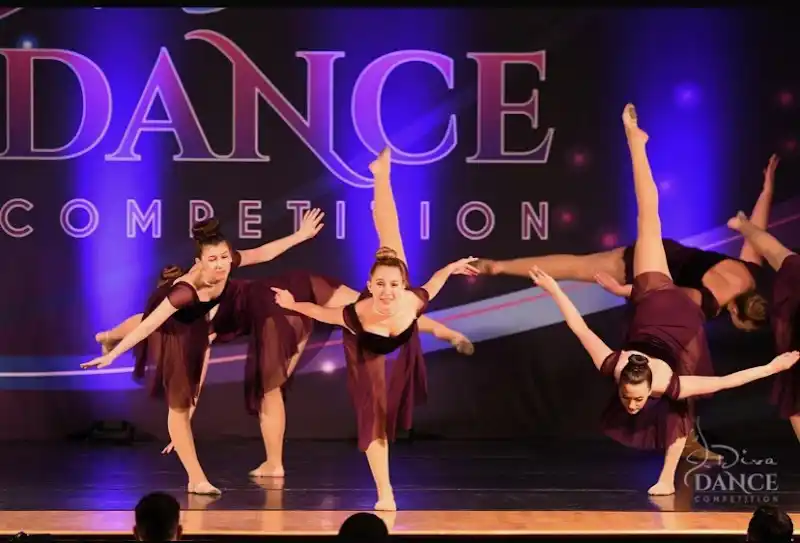
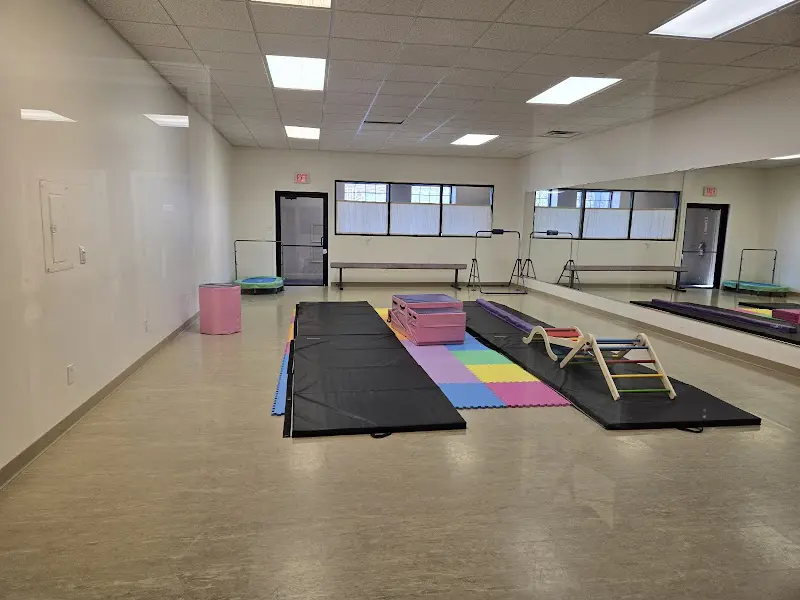
Dance Fire Studio, located in Niskayuna, New York, invites dancers of all ages to ignite their passion for movement. Founded in 2017, this premier dance destination offers a diverse range of styles, including Ballet, Hip Hop, Contemporary, Modern, and an extensive Ballroom program encompassing both Latin and Classic Ballroom dances. Specialized programs cater to young learners with Baby Ballet, while older children and teens can benefit from Beginner/Advanced DanceSport training. Dance Fire Studio is also home to a competitive program, offering private lessons with experienced Dance Masters to help students hone their skills. The studio boasts a team of passionate and accomplished instructors, including Natalia O’Connor Vlad, Florin Vlad, Celene Parragh, Ricardo Marques, Lilian Odom, Thomas Russell, and Rachael Blanchard, many of whom are noted performers and competitors. Providing an optimal learning environment, Dance Fire Studio features state-of-the-art facilities with beautiful floating wooden floors and high-quality sound systems. Whether you're seeking to learn new moves for an event, pursue competitive dance, or simply find a fun way to stay active and connect with others in Niskayuna and Saratoga Springs, Dance Fire Studio provides a welcoming and inspiring space to grow, learn, and showcase your abilities.

Styles offered at Dance Fire Studio

Programs from Dance Fire Studio

29 programs available

Classes

West Coast Swing

West Coast Swing (WCS) is a partner dance with roots in Lindy Hop. It is characterized by a distinctive elastic look that results from its basic extension-compression technique of partner connection, and is danced primarily in a slotted area on the dance floor and is done to a wide variety of music including: blues, rock and roll, country western, pop, hip hop, smooth, cool jazz, R& B, and funk music.

Merengue

Merengue is a traditional folk dance originated in Dominican Republic and was brought to the U.S. by Dominican musicians in the early 1900s. The basic dance step (similar to marching) is quite simple in Merengue. Dancers keep their knees slightly bent and feet in contact with the floor throughout. It's a wonderful dance for beginners and a great way to practice the Cuban motion (hip motion).

Bachata

Bachata is a style of dance that originated in the Dominican Republic. It is danced widely all over the world but not identically. The basics to the dance are three-step with a Cuban hip motion, followed by a tap including a hip movement on the 4th beat.

Salsa

Salsa is a popular form of social dance that originated in the Caribbean. The movements of salsa have origins in Cuban Son, cha-cha-cha, mambo and Puerto Rican bomba and plena and other dance forms. The dance, along with the salsa music, originated in the mid-1970s in New York.

Mambo

The Mambo is a Cuban dance, though the word comes from Haiti. The first music called “mambo” was written in the late 1930s by a Cuban composer, but the mambo craze began in the late 1940s when a musician named Perez Prado came up with a dance to go with it. Prado took mambo from Havana to Mexico, and then to New York.

Bolero

The bolero began as a dance form in the late 1700s, to go along with the new Spanish romantic ballads of the day. The boleros we dance today have more in common with a form developed in Cuba a century later, but the themes of love and romantic longing remained essential. The bolero is a wonderful hybrid of different dances.

Swing

Swing is actually a whole family of dances, all of which evolved from the original swing dance, the Lindy Hop of the 1920s. Since then, more than 40 different versions have been documented, most of them set to that great big-band sound. The most common swing dance in competitions is the East Coast swing.

American Rhythm Rumba

The Rumba is a slower romantic dance of about 120 beats per minute which corresponds, both in music and in dance to what the Cubans of an older generation called the Bolero-Son. Rumba is referred as the “Dance of Love”. The American Style Rumba is commonly danced in the United States, with box-like basic figures.

American Rhythm Cha-Cha-Cha

The Cha-Cha (originally known as the Cha-Cha-Cha) originated in Cuba in the early 1950's and refers to a style of ballroom dancing. The Cha-Cha can be danced in American Rhythm Style. This dance was derived from the Rumba and the Mambo.

American Smooth Viennese Waltz

The Viennese Waltz is actually the original form of the Waltz. It's the oldest of all Ballroom dances, emerging in the second half of the 18th century influenced by German and Austrian dance styles. In the American Style figures blend from closed to open position and dance partners may be often in shadow, side by side or left open facing positions.

American Smooth Foxtrot

Foxtrot is a smooth progressive dance characterized by long, continuous flowing movements across the dance floor. The American style version of the Foxtrot takes many forms: simple combinations of walks and chasses ideal for social dancing, later on adding open, apart, and side by side movements.

American Smooth Tango

The American Style Tango's evolutionary path is derived from Argentina to the United States, when it was popularized by silent film star Rudolph Valentino in 1921, who demonstrated a highly stylized form of Argentine Tango in "The Four Horsemen of the Apocalypse". As a result, the Hollywood-style steps mixed in with other Social Dancing steps of the time and began this branch away from the Argentine style. This style of Tango makes great use of open and alternate dance positions to further showcase Tango's dramatic nature.

American Smooth Waltz

The waltz is a smooth, progressive ballroom and folk dance. The American Style Waltz, part of the American Smooth ballroom dances syllabus, in contrast to the Ballroom (International) Waltz, involves breaking contact almost entirely in some figures. Start waltzing today

Jive

The Jive originated in the United States in the early 1930's. It was originally presented to the public in 1934 by Cab Calloway, an American jazz singer. It is a lively and uninhibited variation of the Jitterbug, a form of Swing dance.

Paso-Doble

The Paso Doble (meaning "double-step" in Spanish) refers to a style of ballroom dancing that began in the 16th century in the country of France. This dance became popular in Spain because it became based on the sound, drama, and movement of the Spanish and Portuguese bullfight.

start paso-doble today
Cha-Cha-Cha

The Cha-Cha is danced to authentic Cuban music, although in ballroom competitions it is often danced to Latin Pop or Latin Rock. The music for the International Style Cha-Cha is energetic and has a steady beat. The Cuban Cha-Cha-Cha ismore sensual and may involve complex poly-rhythms.

Quickstep

This dance might be termed the "joy" dance of modern dancing. While the basic figures are quite simple, the tempo of the music and the whole character of the dance seem to invite a carefree interpretation of its bright rhythm. The beginner will find the basic steps easy to learn and easy to fit the music. The advanced dancer will discover that the music lends itself to an infinite variety of steps.

Foxtrot

A beautiful, romantic dance, the Foxtrot is composed of fairly simple walking steps and side steps. The dance combines slow steps, which use two beats of music, and quick steps, which use one beat of music. The footwork timing is usually "slow, quick, quick" or "slow, slow, quick, quick." The Foxtrot must be danced very smoothly, with no jerking of the body. Timing is also a very important component of the Foxtrot.

Viennese Waltz

The Viennese Waltz is a genre of Ballroom Dance. It is actually the original form of the Waltz. It's the oldest of all Ballroom dances, emerging in the second half of the 18th century influenced by German and Austrian dance styles. The golden age of the Viennese waltz in Europe was the early 1800s, when Johann Strauss was composing. Its popularity has gone up and down, but it has never gone out of style. It is classic “old-school” ballroom.

Ballroom Tango

Ballroom Tango is a passionate and dramatic dance that branched away from its original Argentine roots by allowing European, American, Hollywood, and competitive influences into the style and execution of the dance.

Waltz

Waltz is a smooth progressive dance characterised by long, flowing movements, continuous turns, and rise & fall. Graceful and elegant, Waltz dancers glide around the floor almost effortlessly. At 28-30 measures per minute, the tempo is slow at best, but the expressive quality of the music often invites very powerful and dynamic movement from dancers. It is danced exclusively in the closed position, unlike its American Style counterpart.

Private Lessons with Dance Master

One-on-one customized attention for your child. Individual performance at Dance Fire Recital.

Start anytime
Ballroom DanceSport Program for Kids/Teens

Join one of the only ballroom dancesport programs for kids in the Capital Region. Dance Fire Studio & Fitness welcomes your child to discover the wonderful world of Ballroom Dance. Our Ballroom DanceSport Kids Program offers group classes and private instruction while providing a productive and rewarding experience which allows each child to develop and grow individually. Each class focuses on Latin and Classic Ballroom dances. Our experienced Dance Masters will teach your child the basics of partner dancing as well as individual dancing in a fun and uplifting environment. Balance, steps, musicality, posture, body language, eye contact and poise constitute an important part of the program from the very first day. Does this sound like something your child would love to do? Maybe dancing is the right path for them. Millions of adults enjoy the healthy benefits of dance, and now your children can too. Give them the opportunity to try dancing and develop skills that will last a lifetime!

Baby Ballet

Beginner Kids Ballet dance. This class focuses on teaching young dancers (ages 2-4) the fundamentals of body awareness, rhythm, fluidity, musicality, and flexibility through exercises, games, follow the leader, and dance phrases across the floor. While attending this class, dancers must either wear ballet shoes, socks or bare feet. Dancers must wear tight fitting clothes that will allow the instructor to see the body in order to give proper feedback about alignment and technique. Parents or guardians must be present in class. A show number will be prepared for the annual recital.

Ballet & Stretch

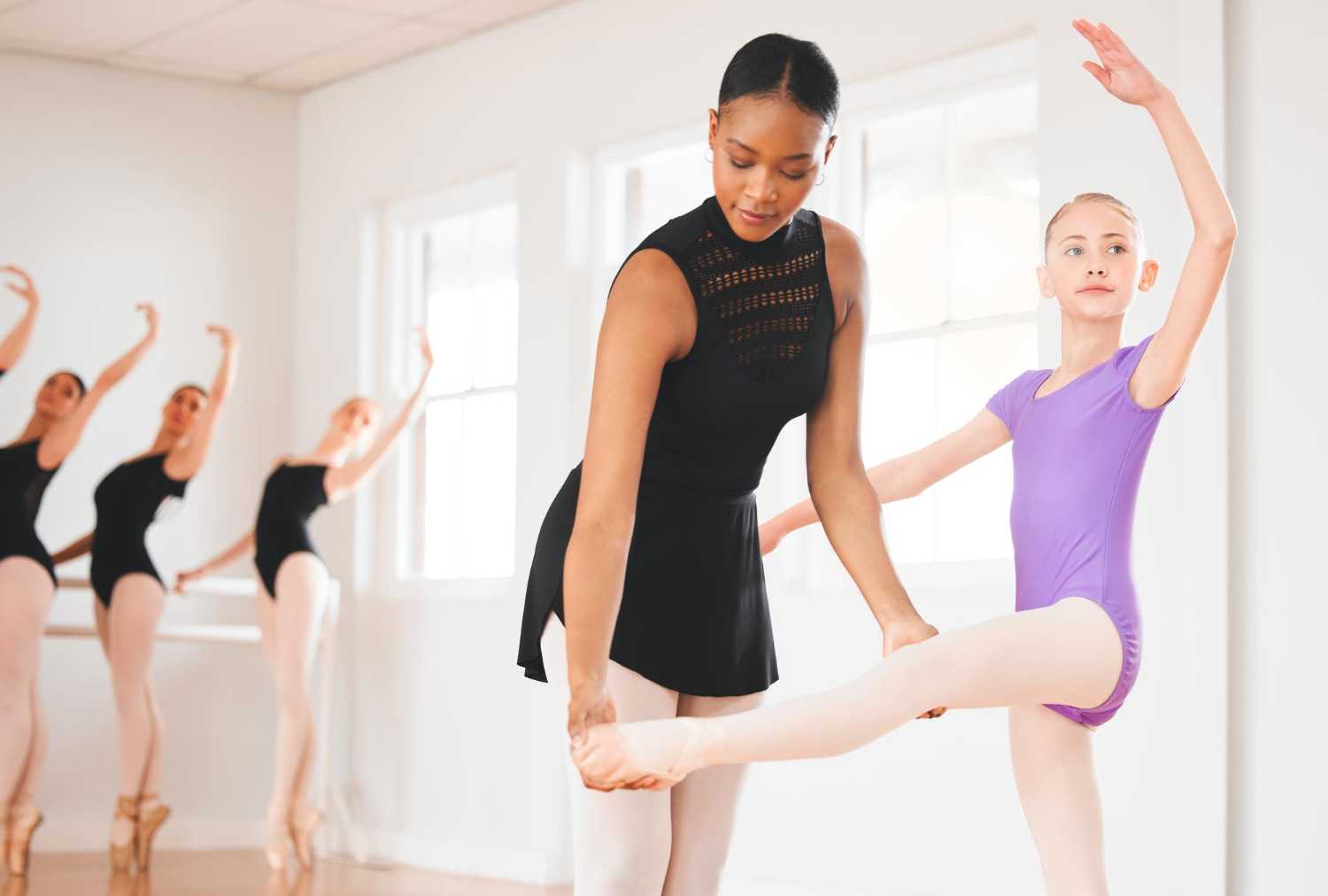
Discover the joy of ballet and the benefits of stretching in our Ballet & Stretch class! This class combines the fundamentals of classical ballet with stretching exercises to improve flexibility, strength, and coordination. Our experienced Dance Master will guide your child through a series of exercises and routines that promote grace, poise, and musicality. The class includes a gentle barre warm-up, center work, and stretching exercises to help prevent injury and improve range of motion. Our focus is on proper technique, self-expression, and having fun! Wear comfortable ballet attire and get ready to move, stretch, and shine! A performance will be prepared for the annual recital.

Hip Hop

Our hip hop class is a fun and energetic way to learn the latest dance moves and techniques. Our experienced Dance Master will guide your child through a series of hip hop exercises and routines that will help improve their coordination, musicality, and confidence. The class includes a warm-up, hip hop choreography, and a fun freestyle session where kids can let loose and show off their personality. We encourage kids to express themselves and have fun while staying active and healthy. Wear comfortable clothes and sneakers, and get ready to bust a move! A performance will be prepared for the annual recital.

Contemporary

This contemporary class would include techniques from both dance styles in order to expose dancers to multiple techniques at once. The class consists of 3 sections beginning with a barre warm up, contemporary center work, and contemporary across the floor. These 3 sections help to increase overall dance technique, strength, artistry, musicality, coordination, flexibility, bravery, and full body expression. When attending this class, dancers must have their hair secured away from the face in a bun, wear ballet shoes, and wear a ballet leotard and tights. Boy identifying dancers can wear tight dark colored outfits that will be modest when stretching. A performance will be prepared at the annual recital. Please note: At Dance Fire Saratoga Springs we will be offering a Contemporary & Ballet class.

Kids Acting

Acting classes are great way to build self-awareness, develop the imagination and concentration, recognize the emotional truth, learn the actor’s vocabulary, and demonstrate the ability to be honest and committed in acting. Your child will learn to build his/her work from the inside out by asking the Who, What, When, Where, Why and How of a character, and learn to seek out the truest expression and life of that person. At the annual recital the kids will perform in a play.

Beginner/ Advanced DanceSport

Each class focuses on Latin and Classic Ballroom dances. Our experienced Dance Masters will teach your child the basics of partner dancing as well as individual dancing in a fun and uplifting environment. Balance, steps, musicality, posture, body language, eye contact and poise constitute an important part of the program from the very first day. Special ballroom dance shoes are recommended to wear for better balance and ability to spin. DanceSport is fully recognized by the International Olympic Committee (IOC). Currently USA Dance Inc. is the Recognized Sports Organization for DanceSport in the United States by the USOPC and the National Member Body of WDSF (World DanceSport Federation). At the annual recital all dancesport participants will perform the dances they have learned throughout the year. IMPORTANT: All Advanced DanceSport class participants MUST take at least one private lesson per week and participate in one competition per season (Fall, Winter, Spring, Summer).


Frequently Asked Questions

How do I contact Dance Fire Studio?

Call Dance Fire Studio at (518) 557-2052 or visit http://www.dancefirestudio.com/.

What days is Dance Fire Studio open?

Dance Fire Studio is open on Monday, Tuesday, Wednesday, Thursday, Friday, Saturday.

Does Dance Fire Studio have a website?

Yes, you can find Dance Fire Studio online at http://www.dancefirestudio.com/.

Does Dance Fire Studio have Saturday classes?

Yes, Dance Fire Studio is open Saturdays: 9:30 AM - 2:00 PM.

What is Dance Fire Studio's phone number?

Dance Fire Studio's phone number is (518) 557-2052.