Logrea Dance Academy
Address
2 Dale Avenue
Ossining, New York 10562
Opening Hours
- Monday: 3:00 - 8:30 PM
- Tuesday: 3:00 - 8:30 PM
- Wednesday: 3:00 - 8:30 PM
- Thursday: 3:00 - 8:30 PM
- Friday: 3:00 - 8:30 PM
- Saturday: 8:45 AM - 2:00 PM
- Sunday: 8:45 AM - 2:00 PM
About Logrea Dance Academy
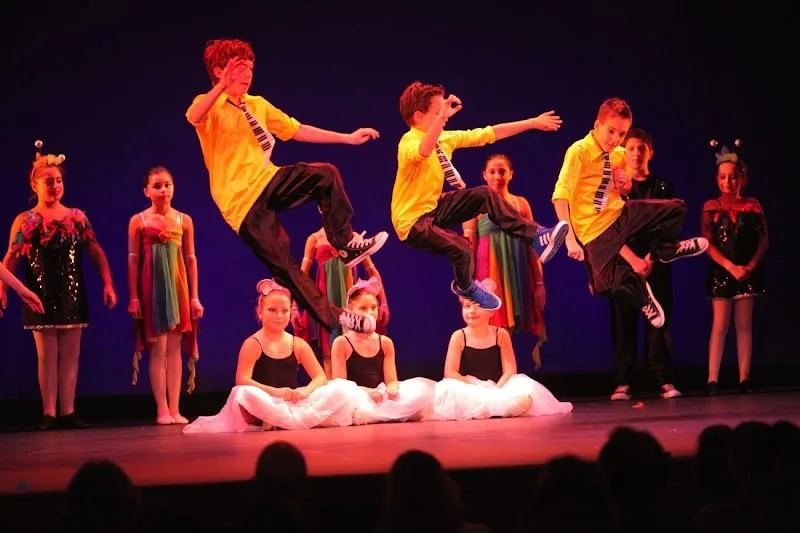
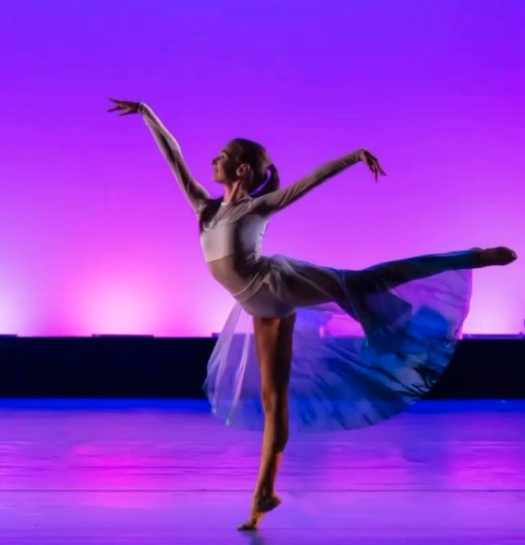
Logrea Dance Academy, located in Ossining, New York, is a premier dance institution dedicated to fostering artistic growth in students of all ages. The academy offers a comprehensive curriculum designed to provide a well-rounded dance education, featuring a strong foundation in classical Ballet. Students can also explore a variety of other dynamic disciplines, including the expressive qualities of Contemporary dance, the rhythmic intricacies of Tap, the energetic street styles of Hip Hop, and the theatrical flair of Musical Theater. For those interested in partner dancing, Logrea Dance Academy provides instruction in Ballroom styles. The academy prides itself on its experienced faculty and a nurturing environment that encourages creativity, discipline, and passion for the art of dance.
Styles offered at Logrea Dance Academy
Programs from Logrea Dance Academy
55 programs available
Classes
Adult Ballet
This class explores the artistry and technique of classical ballet! The class is taught with a low-stress, movement-based approach to learning. Time is given to breaking down complex steps while also ensuring that dancers at all levels experience the exhilaration and joy of moving to music. Class begins with the traditional exercises of the classical ballet barre, progressing to center-work tailored to the needs and desires of the individuals attending.
Conditioning
Every dancer needs a tool kit to keep them on a path of limited injuries and improved performance. And every dancer also needs a regimen to utilize before classes and performances for focus and mental health. Conditioning class will give dancers a series of warmups, targeted muscle exercises, flexibility routines, and meditative cool downs that increase with challenge over the course of the school year and each year thereafter.
Bollywood
Bollywood dance is a fusion style originating from India's Bollywood films. It blends classical Indian and western pop dance styles, such as jazz and hip hop. Class begins with a yoga inspired warm-up, and evolves into learning some classical Indian dance steps, including rhythmic footwork and hand gestures. We will build on this foundation and learn
Stretch & Strength
These classes are specifically designed for dancers so we are encouraging all students in Levels A-D to take these classes, if possible. This body mindful class is based on general strength and stretching exercises essential to EVERY dancer's health and well being. We will also delve into injury prevention by taking the time to discuss root causes of common injuries while simultaneously learning tools to prevent or mitigate these injuries. We will have time to discuss what is going on with each student; we will finally have time to answer specific questions from each student about particular things that bother them as everyone goes through very technical ballet training. Highly recommended for the upper levels- even if they are not dealing with a specific injury. Let's come together to get strong, have fun (pop music only!) and learn some great self care tools to take with us through our ballet training!
Musical Theater
This class will focus on building's dancer's skills in the style of musical theatre dance. Each class will include a warm-up, technique training, across the floor, and choreography in the style of musicals ranging from fosse to contemporary musical theatre. Dancers will work on elements of jazz and theatre technique, the art of storytelling through dance, and picking up choreography in a range of styles that reflect individual shows.
Master Classes
Conservatory class, an accelerated technique class for dancers enrolled at the Ballet IV, V and VI levels, is attended by invitation. Children's Workshop is a performance and repertory class focusing on character dance and, later in the term, provides an introduction to pointe work. Registration in Children's Workshop is by invitation from the Academy directors. All class requirements apply to students in the Intensive Program. Students are not required to follow this schedule if they are not studying pointe or are not performing with Westchester Ballet Company. Students may enroll in any technique classes at or below their placement level. Taking class above the assigned placement level requires permission of the Academy directors. Junior and Senior Workshops are performance and repertory classes, and registration is by invitation. Turn class and Pas de Deux (partnering) are advanced technique classes, also enrolled by invitation only. Master classes and special workshops are offered at various times during the regular term. Academy students may be eligible to participate depending on their placement level. Noted teachers and performers who have taught in the past include Jeremy Blanton (former artistic administrator of American Ballet Theatre Studio Company), Russel Fratto (noted artistic consultant and dance educator), Ted Kivitt (noted teacher and former principal dancer of American Ballet Theatre), Natalia Stavro (former principal of the Bolshoi Ballet), Christine Spizzo, Marilyn Miles, and Valentin Bartes and Erica Oshono (principals of the Oshono Ballet
Junior and Senior Workshops
Conservatory class, an accelerated technique class for dancers enrolled at the Ballet IV, V and VI levels, is attended by invitation. Children's Workshop is a performance and repertory class focusing on character dance and, later in the term, provides an introduction to pointe work. Registration in Children's Workshop is by invitation from the Academy directors. All class requirements apply to students in the Intensive Program. Students are not required to follow this schedule if they are not studying pointe or are not performing with Westchester Ballet Company. Students may enroll in any technique classes at or below their placement level. Taking class above the assigned placement level requires permission of the Academy directors. Junior and Senior Workshops are performance and repertory classes, and registration is by invitation. Turn class and Pas de Deux (partnering) are advanced technique classes, also enrolled by invitation only. Master classes and special workshops are offered at various times during the regular term. Academy students may be eligible to participate depending on their placement level. Noted teachers and performers who have taught in the past include Jeremy Blanton (former artistic administrator of American Ballet Theatre Studio Company), Russel Fratto (noted artistic consultant and dance educator), Ted Kivitt (noted teacher and former principal dancer of American Ballet Theatre), Natalia Stavro (former principal of the Bolshoi Ballet), Christine Spizzo, Marilyn Miles, and Valentin Bartes and Erica Oshono (principals of the Oshono Ballet
Conservatory and Children's Workshop
Conservatory class, an accelerated technique class for dancers enrolled at the Ballet IV, V and VI levels, is attended by invitation. Children's Workshop is a performance and repertory class focusing on character dance and, later in the term, provides an introduction to pointe work. Registration in Children's Workshop is by invitation from the Academy directors. All class requirements apply to students in the Intensive Program. Students are not required to follow this schedule if they are not studying pointe or are not performing with Westchester Ballet Company. Students may enroll in any technique classes at or below their placement level. Taking class above the assigned placement level requires permission of the Academy directors. Junior and Senior Workshops are performance and repertory classes, and registration is by invitation. Turn class and Pas de Deux (partnering) are advanced technique classes, also enrolled by invitation only. Master classes and special workshops are offered at various times during the regular term. Academy students may be eligible to participate depending on their placement level. Noted teachers and performers who have taught in the past include Jeremy Blanton (former artistic administrator of American Ballet Theatre Studio Company), Russel Fratto (noted artistic consultant and dance educator), Ted Kivitt (noted teacher and former principal dancer of American Ballet Theatre), Natalia Stavro (former principal of the Bolshoi Ballet), Christine Spizzo, Marilyn Miles, and Valentin Bartes and Erica Oshono (principals of the Oshono Ballet
Advanced Ballet
Conservatory class, an accelerated technique class for dancers enrolled at the Ballet IV, V and VI levels, is attended by invitation. Children's Workshop is a performance and repertory class focusing on character dance and, later in the term, provides an introduction to pointe work. Registration in Children's Workshop is by invitation from the Academy directors. All class requirements apply to students in the Intensive Program. Students are not required to follow this schedule if they are not studying pointe or are not performing with Westchester Ballet Company. Students may enroll in any technique classes at or below their placement level. Taking class above the assigned placement level requires permission of the Academy directors. Junior and Senior Workshops are performance and repertory classes, and registration is by invitation. Turn class and Pas de Deux (partnering) are advanced technique classes, also enrolled by invitation only. Master classes and special workshops are offered at various times during the regular term. Academy students may be eligible to participate depending on their placement level. Noted teachers and performers who have taught in the past include Jeremy Blanton (former artistic administrator of American Ballet Theatre Studio Company), Russel Fratto (noted artistic consultant and dance educator), Ted Kivitt (noted teacher and former principal dancer of American Ballet Theatre), Natalia Stavro (former principal of the Bolshoi Ballet), Christine Spizzo, Marilyn Miles, and Valentin Bartes and Erica Oshono (principals of the Oshono Ballet
Adult Classes
At Logrea Dance Academy, a variety of adult classes are offered, including Ballet, Ballroom, Pilates, and Yoga.
Partnering
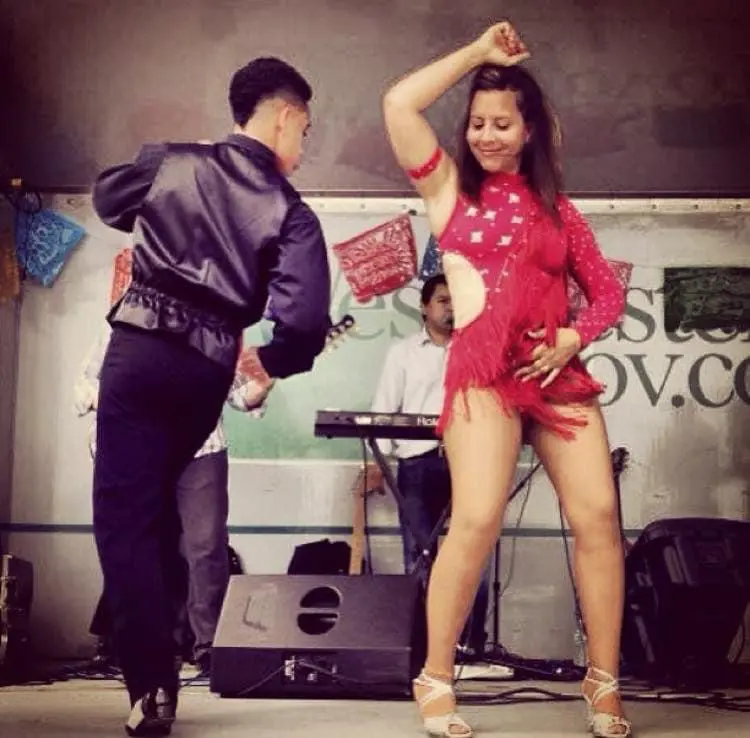
Dance partnering is a collaborative effort between two dancers, usually a male and a female, aiming to synchronize their movements seamlessly to create a sense of unity for the audience. This type of dance relies on specific partnering techniques that allow the dancers to move in harmony. Typically, one dancer takes on the role of guiding, supporting, or both, the other dancer. Partnering techniques are essential components of various dance styles and are crucial in partner dancing.
Advanced
Modern is an expressive style of dance that stems from the core of the body and uses elements such as floor work, fall and recovery, and improvisation. In the Modern classes, the focus will be on learning technique, improvisation, and choreography. As an enrichment to the student's movement vocabulary and an expansion of the dancer's artistic expression, the Academy offers Modern dance classes for intermediate and advanced-level students. Classes provide an eclectic and lyrical approach to the Modern discipline, which continues to be a mainstay of the American dance scene.
Intermediate
Modern is an expressive style of dance that stems from the core of the body and uses elements such as floor work, fall and recovery, and improvisation. In the Modern classes, the focus will be on learning technique, improvisation, and choreography. As an enrichment to the student's movement vocabulary and an expansion of the dancer's artistic expression, the Academy offers Modern dance classes for intermediate and advanced-level students. Classes provide an eclectic and lyrical approach to the Modern discipline, which continues to be a mainstay of the American dance scene.
Beginners
Modern is an expressive style of dance that stems from the core of the body and uses elements such as floor work, fall and recovery, and improvisation. In the Modern classes, the focus will be on learning technique, improvisation, and choreography. As an enrichment to the student's movement vocabulary and an expansion of the dancer's artistic expression, the Academy offers Modern dance classes for intermediate and advanced-level students. Classes provide an eclectic and lyrical approach to the Modern discipline, which continues to be a mainstay of the American dance scene.
Modern
Modern is an expressive style of dance that stems from the core of the body and uses elements such as floor work, fall and recovery, and improvisation. In the Modern classes, the focus will be on learning technique, improvisation, and choreography. As an enrichment to the student's movement vocabulary and an expansion of the dancer's artistic expression, the Academy offers Modern dance classes for intermediate and advanced-level students. Classes provide an eclectic and lyrical approach to the Modern discipline, which continues to be a mainstay of the American dance scene.
Jazz Advanced
Jazz is an energetic and expressive form of movement. The music and the styles vary from traditional such as Luigi and Fosse (Broadway Jazz) to the very expressive and dramatic Lyrical and Contemporary. Jazz remains our connection with the Here and Now, in dance as well as music. Academy dancers are encouraged to develop their technical skills in this contemporary and highly exciting dance form, building on the fundamentals of ballet for placement, stability, and line. Jazz classes are eclectic in style, drawing on the background of the individual teacher.
Jazz Intermediate/Advanced
Jazz is an energetic and expressive form of movement. The music and the styles vary from traditional such as Luigi and Fosse (Broadway Jazz) to the very expressive and dramatic Lyrical and Contemporary. Jazz remains our connection with the Here and Now, in dance as well as music. Academy dancers are encouraged to develop their technical skills in this contemporary and highly exciting dance form, building on the fundamentals of ballet for placement, stability, and line. Jazz classes are eclectic in style, drawing on the background of the individual teacher.
Jazz Beginner Advanced
Jazz is an energetic and expressive form of movement. The music and the styles vary from traditional such as Luigi and Fosse (Broadway Jazz) to the very expressive and dramatic Lyrical and Contemporary. Jazz remains our connection with the Here and Now, in dance as well as music. Academy dancers are encouraged to develop their technical skills in this contemporary and highly exciting dance form, building on the fundamentals of ballet for placement, stability, and line. Jazz classes are eclectic in style, drawing on the background of the individual teacher.
Jazz V/VI
Jazz is an energetic and expressive form of movement. The music and the styles vary from traditional such as Luigi and Fosse (Broadway Jazz) to the very expressive and dramatic Lyrical and Contemporary. Jazz remains our connection with the Here and Now, in dance as well as music. Academy dancers are encouraged to develop their technical skills in this contemporary and highly exciting dance form, building on the fundamentals of ballet for placement, stability, and line. Jazz classes are eclectic in style, drawing on the background of the individual teacher.
Jazz IV
Jazz is an energetic and expressive form of movement. The music and the styles vary from traditional such as Luigi and Fosse (Broadway Jazz) to the very expressive and dramatic Lyrical and Contemporary. Jazz remains our connection with the Here and Now, in dance as well as music. Academy dancers are encouraged to develop their technical skills in this contemporary and highly exciting dance form, building on the fundamentals of ballet for placement, stability, and line. Jazz classes are eclectic in style, drawing on the background of the individual teacher.
Jazz III
Jazz is an energetic and expressive form of movement. The music and the styles vary from traditional such as Luigi and Fosse (Broadway Jazz) to the very expressive and dramatic Lyrical and Contemporary. Jazz remains our connection with the Here and Now, in dance as well as music. Academy dancers are encouraged to develop their technical skills in this contemporary and highly exciting dance form, building on the fundamentals of ballet for placement, stability, and line. Jazz classes are eclectic in style, drawing on the background of the individual teacher.
Jazz I/II
Jazz is an energetic and expressive form of movement. The music and the styles vary from traditional such as Luigi and Fosse (Broadway Jazz) to the very expressive and dramatic Lyrical and Contemporary. Jazz remains our connection with the Here and Now, in dance as well as music. Academy dancers are encouraged to develop their technical skills in this contemporary and highly exciting dance form, building on the fundamentals of ballet for placement, stability, and line. Jazz classes are eclectic in style, drawing on the background of the individual teacher.
Jazz
Jazz is an energetic and expressive form of movement. The music and the styles vary from traditional such as Luigi and Fosse (Broadway Jazz) to the very expressive and dramatic Lyrical and Contemporary. Jazz remains our connection with the Here and Now, in dance as well as music. Academy dancers are encouraged to develop their technical skills in this contemporary and highly exciting dance form, building on the fundamentals of ballet for placement, stability, and line. Jazz classes are eclectic in style, drawing on the background of the individual teacher.
Tap Advanced
In Tap, students will learn vocabulary, musicality, rhythm and different styles of this technique. Students of the classical tradition will find challenge in the mastery of Tap's syncopated rhythms and stylized movements. The Broadway theater continues to reinforce the popularity of Tap with each new season. From this quintessential American dance form comes the "time step", an important – and fun – part of every dancer's repertory. Tap may be studied at the Academy at all levels of ability, on its own, or as a supplement to the pursuit of other disciplines. Students of the classical tradition will find challenge in the mastery of Tap's syncopated rhythms and stylized movements.
Tap Intermediate
In Tap, students will learn vocabulary, musicality, rhythm and different styles of this technique. Students of the classical tradition will find challenge in the mastery of Tap's syncopated rhythms and stylized movements. The Broadway theater continues to reinforce the popularity of Tap with each new season. From this quintessential American dance form comes the "time step", an important – and fun – part of every dancer's repertory. Tap may be studied at the Academy at all levels of ability, on its own, or as a supplement to the pursuit of other disciplines. Students of the classical tradition will find challenge in the mastery of Tap's syncopated rhythms and stylized movements.
Tap Beginners
In Tap, students will learn vocabulary, musicality, rhythm and different styles of this technique. Students of the classical tradition will find challenge in the mastery of Tap's syncopated rhythms and stylized movements. The Broadway theater continues to reinforce the popularity of Tap with each new season. From this quintessential American dance form comes the "time step", an important – and fun – part of every dancer's repertory. Tap may be studied at the Academy at all levels of ability, on its own, or as a supplement to the pursuit of other disciplines. Students of the classical tradition will find challenge in the mastery of Tap's syncopated rhythms and stylized movements.
Tap Intro
In Tap, students will learn vocabulary, musicality, rhythm and different styles of this technique. Students of the classical tradition will find challenge in the mastery of Tap's syncopated rhythms and stylized movements. The Broadway theater continues to reinforce the popularity of Tap with each new season. From this quintessential American dance form comes the "time step", an important – and fun – part of every dancer's repertory. Tap may be studied at the Academy at all levels of ability, on its own, or as a supplement to the pursuit of other disciplines. Students of the classical tradition will find challenge in the mastery of Tap's syncopated rhythms and stylized movements.
Tap
In Tap, students will learn vocabulary, musicality, rhythm and different styles of this technique. Students of the classical tradition will find challenge in the mastery of Tap's syncopated rhythms and stylized movements. The Broadway theater continues to reinforce the popularity of Tap with each new season. From this quintessential American dance form comes the "time step", an important – and fun – part of every dancer's repertory. Tap may be studied at the Academy at all levels of ability, on its own, or as a supplement to the pursuit of other disciplines. Students of the classical tradition will find challenge in the mastery of Tap's syncopated rhythms and stylized movements.
Pointe D
Students ages 10 and up are evaluated on a regular basis to determine their readiness for pointe class, but neither age nor placement level is a guarantee of being invited to go on pointe at the Academy. Other variables that weigh in this decision are experience, basic alignment, and strength in ankles and back. To be considered for pointe, students must have been taking ballet classes for at least 3 years, at a minimum of 2 classes per week for the past 2 years. Students are notified via Email that they are eligible to begin studying on pointe.
Pointe CD
Students ages 10 and up are evaluated on a regular basis to determine their readiness for pointe class, but neither age nor placement level is a guarantee of being invited to go on pointe at the Academy. Other variables that weigh in this decision are experience, basic alignment, and strength in ankles and back. To be considered for pointe, students must have been taking ballet classes for at least 3 years, at a minimum of 2 classes per week for the past 2 years. Students are notified via Email that they are eligible to begin studying on pointe.
Pointe BC
Students ages 10 and up are evaluated on a regular basis to determine their readiness for pointe class, but neither age nor placement level is a guarantee of being invited to go on pointe at the Academy. Other variables that weigh in this decision are experience, basic alignment, and strength in ankles and back. To be considered for pointe, students must have been taking ballet classes for at least 3 years, at a minimum of 2 classes per week for the past 2 years. Students are notified via Email that they are eligible to begin studying on pointe.
Pointe C
Students ages 10 and up are evaluated on a regular basis to determine their readiness for pointe class, but neither age nor placement level is a guarantee of being invited to go on pointe at the Academy. Other variables that weigh in this decision are experience, basic alignment, and strength in ankles and back. To be considered for pointe, students must have been taking ballet classes for at least 3 years, at a minimum of 2 classes per week for the past 2 years. Students are notified via Email that they are eligible to begin studying on pointe.
Pointe A
Students ages 10 and up are evaluated on a regular basis to determine their readiness for pointe class, but neither age nor placement level is a guarantee of being invited to go on pointe at the Academy. Other variables that weigh in this decision are experience, basic alignment, and strength in ankles and back. To be considered for pointe, students must have been taking ballet classes for at least 3 years, at a minimum of 2 classes per week for the past 2 years. Students are notified via Email that they are eligible to begin studying on pointe.
Master Pointe
Students ages 10 and up are evaluated on a regular basis to determine their readiness for pointe class, but neither age nor placement level is a guarantee of being invited to go on pointe at the Academy. Other variables that weigh in this decision are experience, basic alignment, and strength in ankles and back. To be considered for pointe, students must have been taking ballet classes for at least 3 years, at a minimum of 2 classes per week for the past 2 years. Students are notified via Email that they are eligible to begin studying on pointe.
Pre-Pointe V-10-12 Years w/training
Students ages 10 and up are evaluated on a regular basis to determine their readiness for pointe class, but neither age nor placement level is a guarantee of being invited to go on pointe at the Academy. Other variables that weigh in this decision are experience, basic alignment, and strength in ankles and back. To be considered for pointe, students must have been taking ballet classes for at least 3 years, at a minimum of 2 classes per week for the past 2 years. Students are notified via Email that they are eligible to begin studying on pointe.
Pointe Training
Students ages 10 and up are evaluated on a regular basis to determine their readiness for pointe class, but neither age nor placement level is a guarantee of being invited to go on pointe at the Academy. Other variables that weigh in this decision are experience, basic alignment, and strength in ankles and back. To be considered for pointe, students must have been taking ballet classes for at least 3 years, at a minimum of 2 classes per week for the past 2 years. Students are notified via Email that they are eligible to begin studying on pointe.
Pre-Ballet/ You & Me
For 2-3-year-olds, this is the first step for the young dancer, incorporating ballet movement in a semi-structured class using improvisation, musical play, and introducing the concepts of barre and center-floor work. Children typically take only one class per week, and sessions for this age group are shorter than the normal one-hour class. Children should be toilet-trained and developmentally ready to separate from their parent and participate in a group in order to enroll.
Elementary Ballet
For children 4 through 5 years of age, these classes instill the most basic skills of barre and center work at an age-appropriate level while developing strength, coordination, and musicality.
Ballet VI
The foundation for all other techniques, Ballet training strengthens and tones the muscles while focusing on proper body alignment and good posture. It requires flexibility, stamina, memorization, focus and discipline.
Ballet V
The foundation for all other techniques, Ballet training strengthens and tones the muscles while focusing on proper body alignment and good posture. It requires flexibility, stamina, memorization, focus and discipline.
Ballet IV
The foundation for all other techniques, Ballet training strengthens and tones the muscles while focusing on proper body alignment and good posture. It requires flexibility, stamina, memorization, focus and discipline.
Ballet III
The foundation for all other techniques, Ballet training strengthens and tones the muscles while focusing on proper body alignment and good posture. It requires flexibility, stamina, memorization, focus and discipline.
Ballet II
The foundation for all other techniques, Ballet training strengthens and tones the muscles while focusing on proper body alignment and good posture. It requires flexibility, stamina, memorization, focus and discipline.
Ballet I
The foundation for all other techniques, Ballet training strengthens and tones the muscles while focusing on proper body alignment and good posture. It requires flexibility, stamina, memorization, focus and discipline.
Private instruction
Private instruction can sometimes be arranged for Tap, Jazz, or Modern and the desire for such instruction should be discussed with the instructor.
Private assessment classes
One-time private assessment classes are made available to intermediate and advanced pointe students on a limited basis for personalized evaluation of their placement and technique.
Private instruction
Private instruction is available on a very limited basis for those advanced pointe students with professional aspirations.
Private Instruction
Private instruction is sometimes available instructor's schedule permitting for a brief course of training at Levels I, II or III, designed to bring new students up to the level of their age group in any discipline.
Pre-Ballet
For students 3 and 4 years old, two years from beginning kindergarten, we offer Pre-Ballet – a shorter, semi-structured class designed to introduce barre and center floor work as well as improvisation and creative movement.
Elementary I
Pre-kindergarten students enroll in Elementary I.
Elementary II
Kinder-gartners are placed at the Elementary II level.
Ballet II
If your child is a second grader with at least one year of ballet training, you should enroll at the Ballet II level.
Ballet I
First graders, with or without previous training, and second graders with no prior training, should enroll at the Ballet I level.
Adult Ballet
Courses
Ballet, Jazz, Tap & Modern
This is a one-month trial registration in Ballet, Jazz, Tap & Modern (four consecutive class meetings) is available to new students ages 3 to 10 and to current students who wish to try a new discipline.
Frequently Asked Questions
How do I contact Logrea Dance Academy?
Call Logrea Dance Academy at (914) 941-2939 or visit http://logreadance.com/.
What are Logrea Dance Academy's hours?
Logrea Dance Academy is open Monday: 3:00 - 8:30 PM, Tuesday: 3:00 - 8:30 PM, Wednesday: 3:00 - 8:30 PM, Thursday: 3:00 - 8:30 PM, Friday: 3:00 - 8:30 PM, Saturday: 8:45 AM - 2:00 PM, Sunday: 8:45 AM - 2:00 PM.
What days is Logrea Dance Academy open?
Logrea Dance Academy is open on Monday, Tuesday, Wednesday, Thursday, Friday, Saturday, Sunday.
What city is Logrea Dance Academy in?
Logrea Dance Academy is in Ossining, New York.
How much do classes cost at Logrea Dance Academy?
Classes at Logrea Dance Academy start at $30.
More studios near this location
Discover other dance studios around Ossining, New York.