Otsego School of Dance and Perfoming Arts

Verified
Address

5364 New York 51

West Burlington, New York 13482

33 programs

About Otsego School of Dance and Perfoming Arts

Otsego School of Dance and Performing Arts, nestled in West Burlington, New York, offers a comprehensive dance education for students of all ages and levels, from three years old through adult, and beginner to advanced. Led by certified Classical Ballet and Tap instructor Teri Velardi, the school boasts a rich history of performance and instruction. Expertise is further amplified by Micaelina Velardi, who holds a B.S. in Theatre with a Dance minor and contributes her knowledge in Modern Dance and choreography. Returning to her roots, former student Madison Reinert, a highly trained dancer herself, now imparts her extensive knowledge in Ballet, Pointe, Jazz, Tap, Modern, Lyrical, Musical Theatre, and Acrobatics. The diverse curriculum encompasses foundational techniques in Ballet and Tap, alongside expressive styles like Lyrical, Jazz, Contemporary, Modern, and energetic K-Pop. Aspiring performers can delve into the theatricality of Musical Theater, while dynamic movement is explored through Acrobatics. The school also features unique disciplines such as Hawaiian and Tahitian dance. Beyond technical proficiency, Otsego School of Dance and Performing Arts cultivates discipline, grace, concentration, and body control, benefiting both scholastic endeavors and personal growth. Instructors focus on developing carriage, coordination, style, and artistry in a supportive and accepting environment, fostering a sense of belonging within its dancing family. The school emphasizes performance through its productions, including Christmas and June recitals, and the dedicated Wharton Valley Dance Theatre, preparing students for potential professional careers or for applying their dance education in diverse fields.

Styles offered at Otsego School of Dance and Perfoming Arts

Programs from Otsego School of Dance and Perfoming Arts

33 programs available

Classes

Ballet, Tap, Jazz

Modern

Lyrical

Contemporary

Acro

Hip Hop

Jazz

Tap

Ballet

Pre-Pointe Conditioning and Evaluation

There comes a time when every student that loves ballet begins to think about getting ready for pointe work. There is no one age or grade level that is right for everyone to jump into pointe shoes. Some girls are ready at eleven, some at fourteen, some at sixteen and some feet are just not made for pointe work at all. Pointe work depends on how strong and how well you strengthen your feet and place your body. In the Pre-Pointe Conditioning and Evaluation class we will determine if you are ready for Pointe work. This class is also a good refresher for existing pointe students to keep track of their progress and continue the basic conditioning exercises. A 1-2 inch 3-ring binder will be needed for this class. Students must be of Purple, Red or Brown class in Ballet and by invitation only.

Choreography

Classes prepare students to become a teacher, dancer, visionary, creator, collaborator, and director. Students apply their own skills and knowledge of different styles of dance to create pieces that they will perform for each other, as well as audiences.�Choreography class also teaches important life skills such as collaboration and teamwork, listening and communicating, self confidence and self-expression. Classes focus on various elements that make up the craft of Choreography. Dancers explore the use of Time, Shape, Energy, Space and Motion. Through Choreography class, students become comfortable with improvisation, weight sharing and group collaboration. Each week, dancers will perform their creations for one another and learn to discuss and critique what they see. A 1-2 inch 3-ring binder will be needed for this class. Students must be of Purple, Red or Brown class in Ballet.

Pointe Technique

This intense 90 minute class consists of ballet barre warm up before continuing into pointe technique work at the barre and center floor. In this class, after barre warm up, we will be focusing on center and across the floor combinations to strengthen students� fluidity while transitioning from step to step.

Repertoire

This class introduces students to various excerpts from the classical ballet repertoire. But unlike solo variations, Repertoire class provides training on sections of ballets performed as a group or corp de ballet. Students will learn a brief history of each ballet we study as well as original choreography. A 1-2 inch 3-ring binder will be needed for this class. Students must be of Purple, Red or Brown class in Ballet.

Vocal Coaching

Training in the skill of proper breathing and posture while singing, range testing, and voice work in small groups, solos, and ensembles. An opportunity to learn proper movement while singing incorporating these skills into full musical theatre numbers for performances.

Acting

Introductory acting, covering approaches to stage movement and characterization. Study and preparation of a variety of roles. Opportunities to appear in frequent classroom scenes and possible short skits for performances. Monologue, two handed, and three handed scenes will be memorized and rehearsed throughout the year giving an opportunity to experience all types of styles.

Contortion

Contortion is a style of dance and acrobatics in which the student is carefully guided through a serious of exercises that further their exteme flexiility and create strength to support themselves. The exercises place an emphasis on back flexibility, splits and oversplits. The physical flexibility required, greatly exceeds that of the general population. It is the dramatic feats of seemingly inhuman flexibility that captivates audiances when performed.

Contemporary

Contemporary is a style of expressive dance that combines the elements of several dance genres including jazz, lyrical, classical ballet, and (its strongest roots) modern dance. Contemporary dance strives to connect the mind and the body through fluid dance movements and breaks away from the rigid or strict techniques of other genres. It's a rule breaking emotional genre that connects the audience and dancer in the oddities of its style.

Modern Dance

The first American dancers to break away from classical ballet were Isadora Duncan and Ruth St. Denis. Although their styles differed, Duncan and St. Denis's unconventional approaches opened the door to a new era in dance history: the American modern dance movement of the 1920s. A free and expressive style of dance which started in the early 20th century as a reaction to classical ballet. In recent years it has included elements not usually associated with dance, such as speech and film. Born in the early 20th century, modern dance is a dance style that focuses on a dancer's own interpretations instead of structured steps, as in traditional ballet. Modern dance goes beyond the limitations of classical ballet and favors movements derived from the expression of their inner feelings. Modern dance is primarily done in bare feet with a relaxed costume. In the United States, several dance pioneers paved the way for American modern dance, including the legendary Martha Graham, Jose Limon and Alvin Ailey.

Stretch and Strengthen

A class focusing primarily on flexibility and muscle strength for all dancers. Students are taught proper stretching and limbering of the joints and muscles, which helps in the development of high extensions and ease of movement quality as well as injury prevention. Dance stretch bands are required for this class.

Acrobatics

An activity that is basic to all forms of human physical conduct in addition to achieving tumbling skills, it improves the agility, flexibility, strength, and coordination of the performer while reaching the height of gymnastic attainment. Enrollment in Ballet or Jazz class is required for enrollment in Acrobatics class.

Musical Theatre

Musical theatre is a form of theatrical performance that combines songs, spoken dialogue, acting, and dance. The story and emotional content of a musical are communicated through the words, music, movement and technical aspects of the entertainment as an integrated whole. Acting techniques and dance are included in this class.

K-Pop

K-Pop Dance is an urban styled dance that blends hip hop and jazz funk. K-Pop, which is short for Korean pop music, is a music genre from Korea that�s known for its infectious, catchy beats. K-pop has various styles ranging from super cute to edgy. This K-pop dance class is upbeat and will have you dancing to the latest Korean songs on the top 100 chart.

Jazz

Jazz dancing is a form of dance that showcases a dancer's individual style and originality. Every jazz dancer interprets and executes moves and steps in their own way. This type of dancing is energetic and fun, consisting of unique moves, fancy footwork, big leaps and quick turns. To excel in jazz, dancers need a strong background in ballet, as it encourages grace and balance.

Lyrical Dance

Lyrical dance is a style of dance created from the combination of ballet with jazz and contemporary dance techniques. Lyrical dancing is performed to music with lyrics to inspire movements to express strong emotions the choreographer feels from the lyrics in the chosen song.

Tap

Tap dance is a form of dance characterized by using the sounds of tap shoes striking the floor as a form of percussion. Two major variations of tap dance exist: rhythm (jazz) tap and Broadway tap. Broadway tap focuses on dance; it is widely performed in musical theater. Rhythm tap focuses on musicality, and practitioners consider themselves to be a part of the Jazz tradition. At Otsego School of Dance and Performing Arts, both styles of tap are taught.

Ballet Technique

Ballet technique is a non recital based class for strengthening a dancer's ballet technique. This is a required class for all who are en pointe, but not limited to those en pointe. This class is beneficial for the serious ballet student as time is not taken out for recital choreography.

Pointe

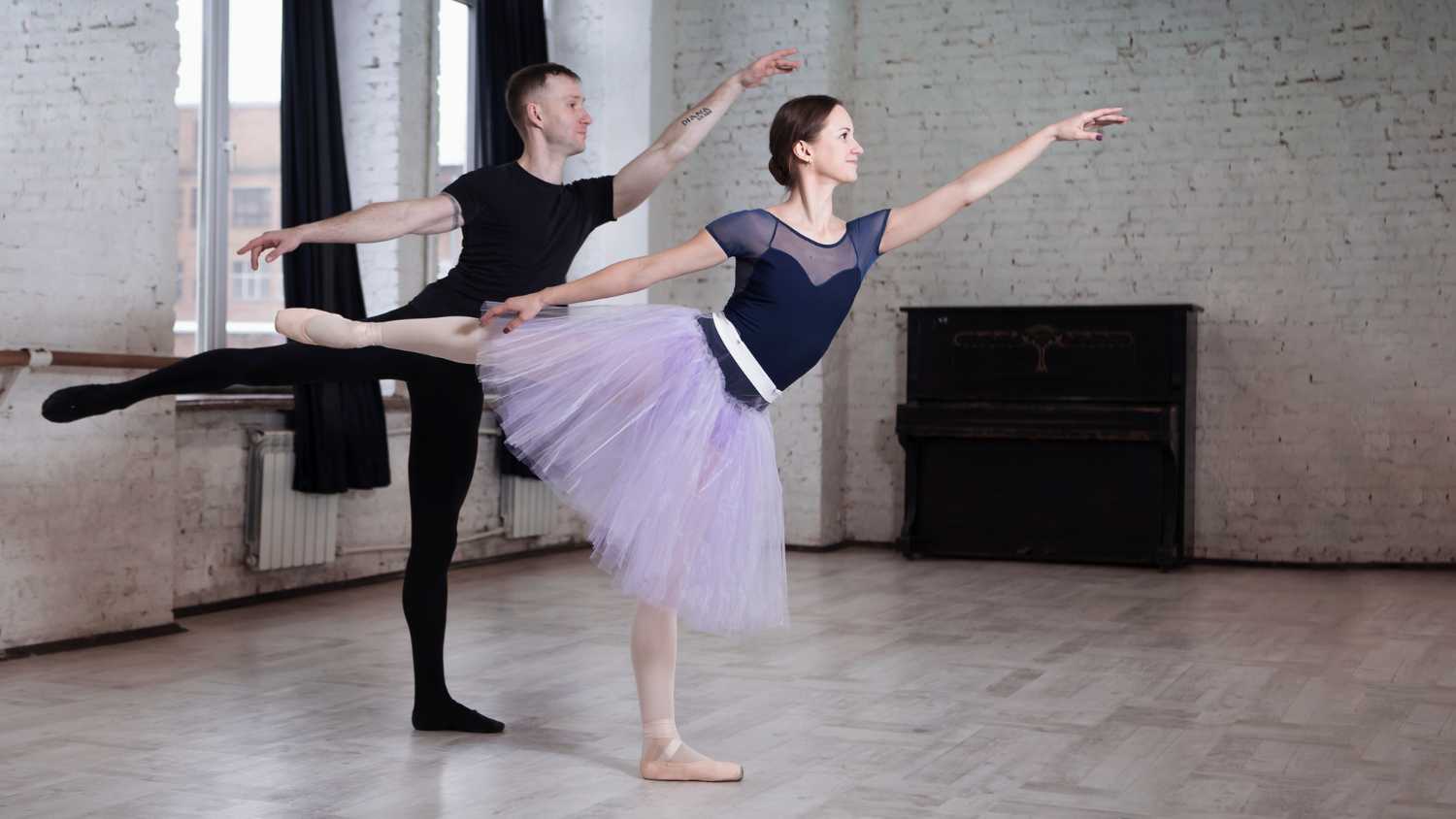
Pointe technique is the part of classical ballet technique that concerns pointe work, in which a ballet dancer supports all body weight on the tips of fully extended feet. A dancer is said to be en pointe when the dancer's body is supported in this manner, and a fully extended vertical foot is said to be en pointe when touching the floor, even when not bearing weight. Pointe work is performed while wearing pointe shoes, which employ structural reinforcing to distribute the dancer's weight load throughout the foot, thus reducing the load on the toes enough to enable the dancer to support all body weight on fully vertical feet. All pointe students are required to take two ballet classes per week in addition to their pointe class, one of which is a ballet technique class.

Ballet

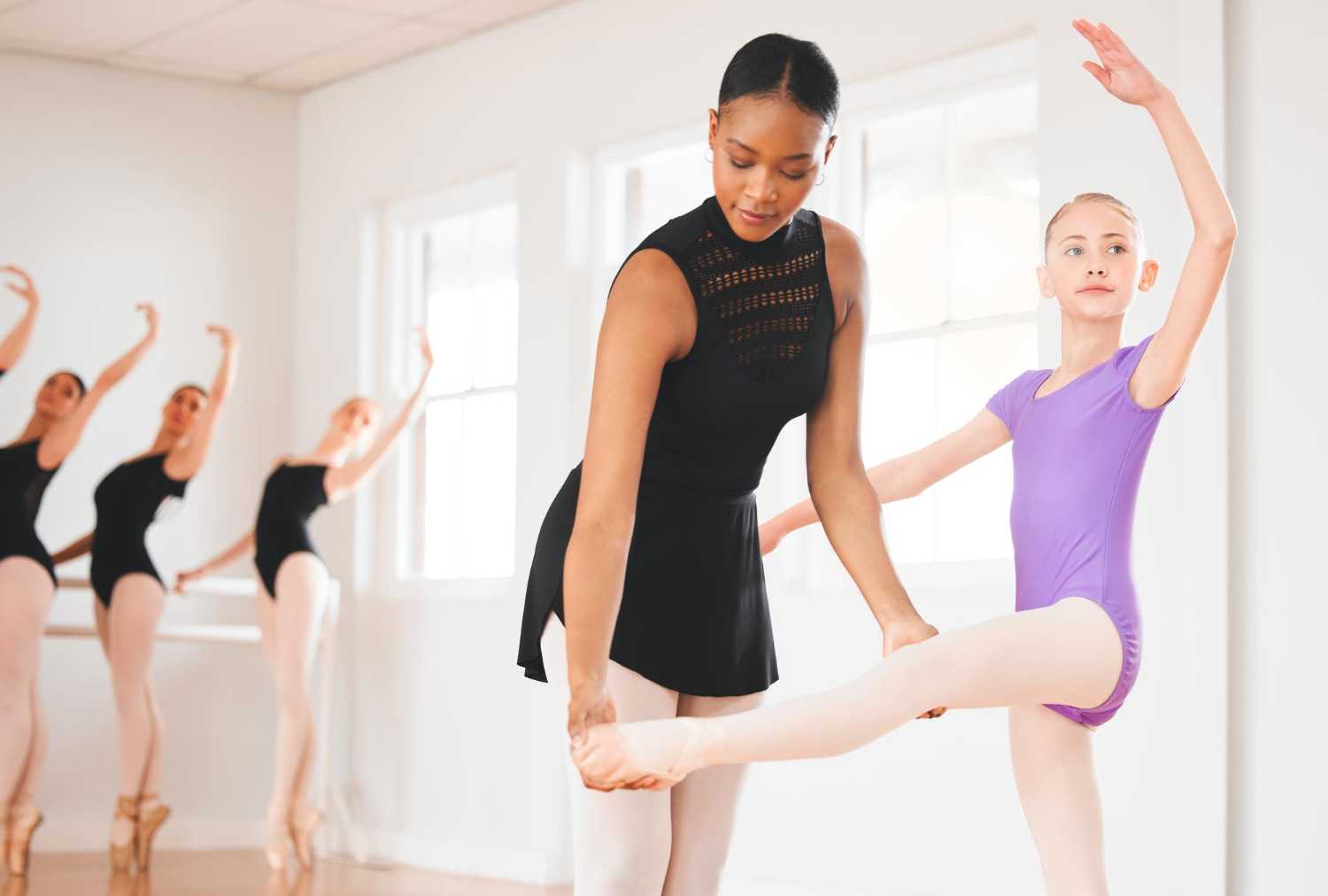
Technical Ballet training is taught (Cecchetti method) and students' progress to their own ability according to a graded syllabus. Classes are structured and students will learn physical and mental discipline that is necessary to become a Dancer. Ballet terminology and theory is included and students are expected to put these to memory. A proper understanding of classroom etiquette is expected. Correct stance and body alignment are emphasized in order to perform to excellence.

Primary Combo

Combo Ballet and Tap class covering the basics to prepare young dancers for formal ballet and tap training which begins at age 7. Those who are 6 and enrolled in this class are eligible for Acrobatics class.

Pre-Dance

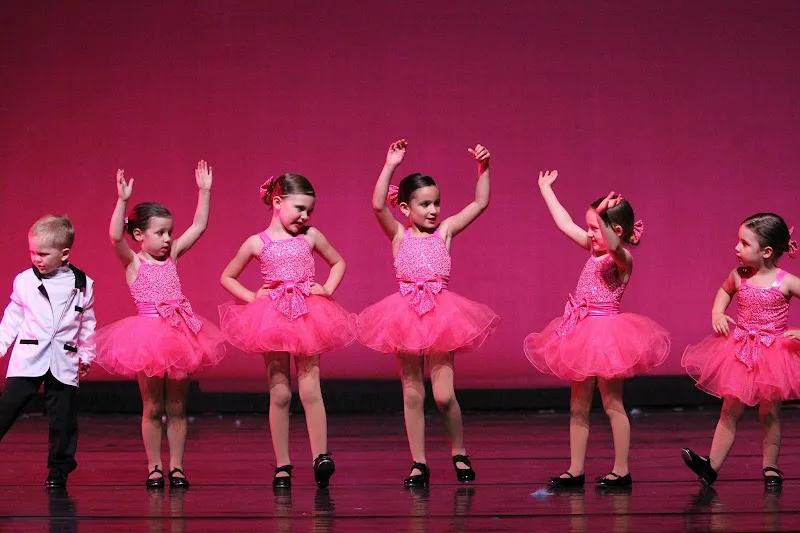
A specially geared class specific for this age group consisting of ballet, tap, creative dance, and some acrobatic instruction enabling young dancers to explore coordination through music and dance.

Fall Session

Our Fall classes prepare students for our annual Recital Production. Our Christmas Production rehearsals are also held during our Fall season on Saturdays afternoons. Students are encouraged to give back to the community by entertaining the residents at various facilities, such as Pathfinder Village in Edmeston, NY, as well as area nursing homes. Our theatre and dance ensemble, the Wharton Valley Dance Theatre , is also involved with outside theatre companies performing at various venues throughout New York.

Saturdays afternoons

Camps

Summer Dance Camps

Our Summer Dance Camps and classes are continuing education in the world of dance and performing arts, as we focus on various methods in different settings. During the summer, students learn more about the history of the arts so that they are well rounded in the areas in which they are interested in.

Summer Session

Our Summer Dance Camps and classes are continuing education in the world of dance and performing arts, as we focus on various methods in different settings. During the summer, students learn more about the history of the arts so that they are well rounded in the areas in which they are interested in.


Frequently Asked Questions

How do I contact Otsego School of Dance and Perfoming Arts?

Call Otsego School of Dance and Perfoming Arts at (607) 376-7876 or visit http://otsegodance.com/.

What city is Otsego School of Dance and Perfoming Arts in?

Otsego School of Dance and Perfoming Arts is in West Burlington, New York.

What is Otsego School of Dance and Perfoming Arts's phone number?

Dial (607) 376-7876 to speak with Otsego School of Dance and Perfoming Arts.

What is the best way to contact Otsego School of Dance and Perfoming Arts?

The quickest way is to call (607) 376-7876 or visit http://otsegodance.com/.

Does Otsego School of Dance and Perfoming Arts have a website?

Yes, you can find Otsego School of Dance and Perfoming Arts online at http://otsegodance.com/.