EPIC Dance Academy
Address
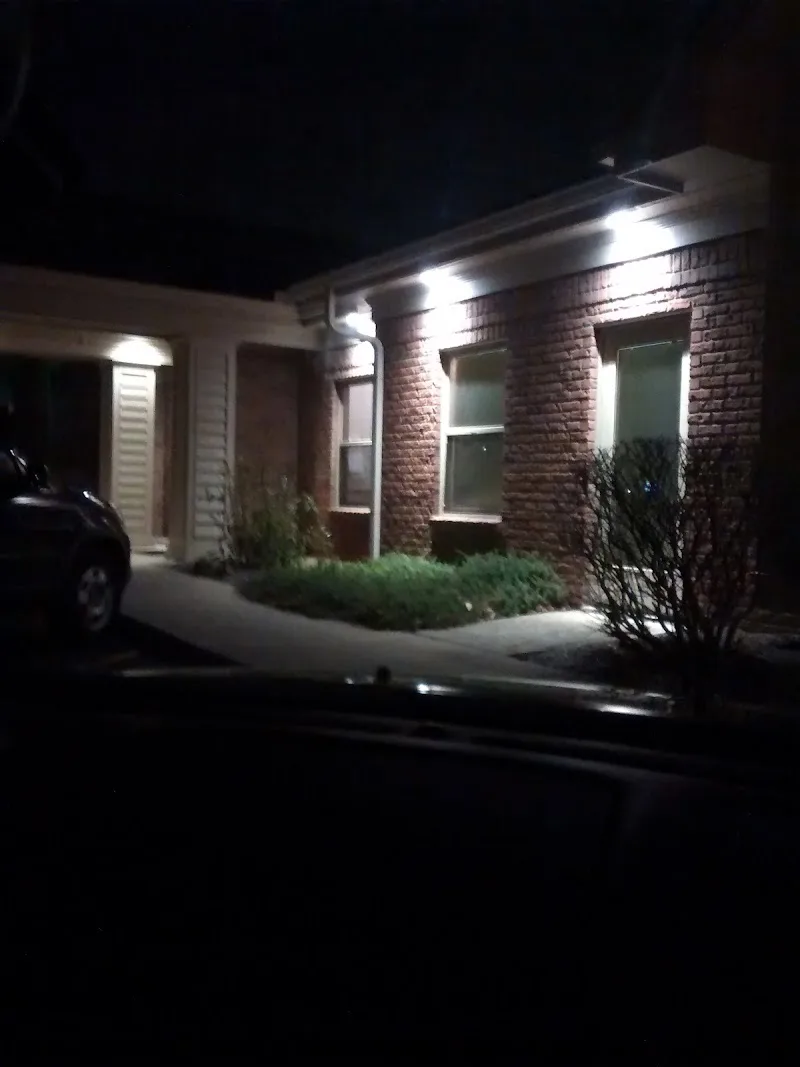
88 Westpark Road
Centerville, Ohio 45459
Opening Hours
- Monday: 5:00 - 8:30 PM
- Tuesday: 3:00 - 8:30 PM
- Wednesday: 3:00 - 8:30 PM
- Thursday: 3:00 - 8:30 PM
- Friday: Closed
- Saturday: Closed
- Sunday: Closed
About EPIC Dance Academy
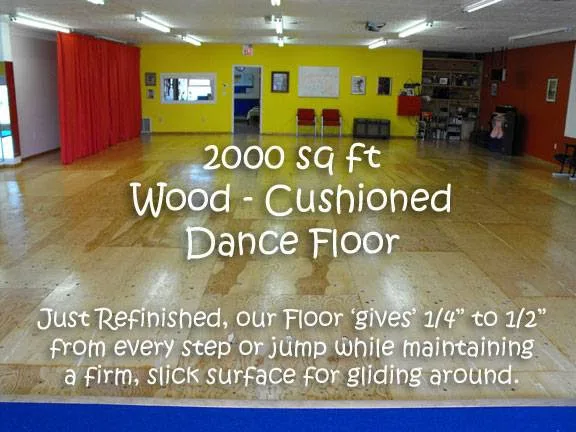
EPIC Dance Academy is a dance studio at 88 Westpark Road in Centerville, Ohio, offering instruction to students throughout Centerville and the surrounding Ohio area. The studio provides classes for all age groups and experience levels, from preschoolers discovering movement for the first time to adults continuing their dance education. At EPIC Dance Academy, students find a welcoming community where they can develop technical skills, explore creative expression, and build lasting connections through the shared joy of dance.
Styles offered at EPIC Dance Academy
Programs from EPIC Dance Academy
19 programs available
Classes
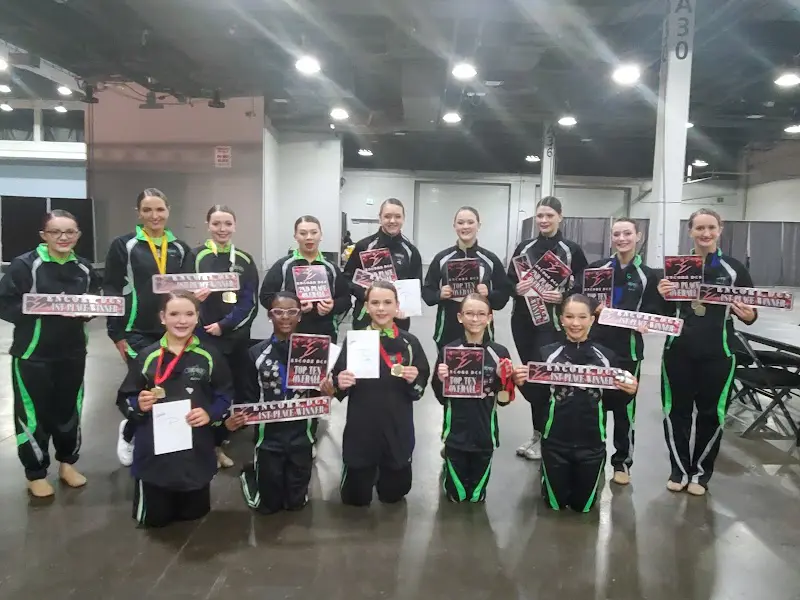
Competition Team
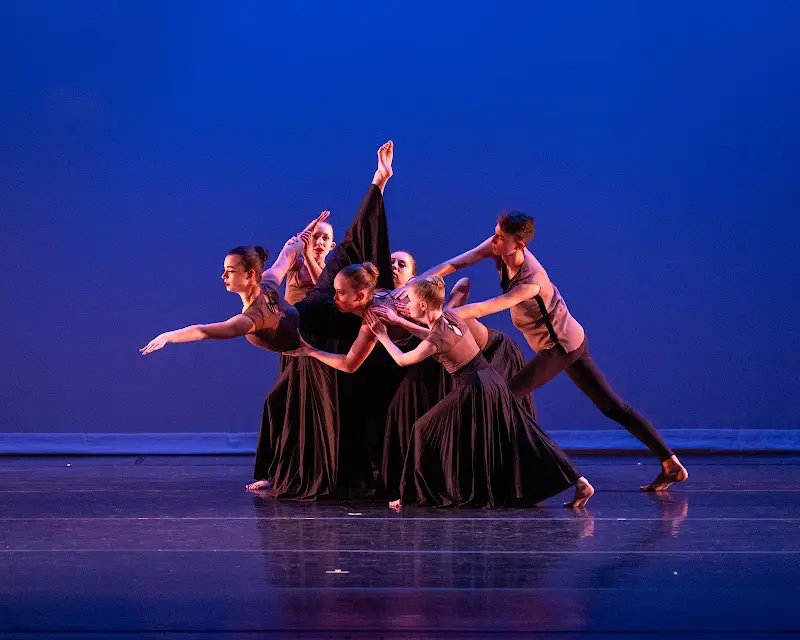
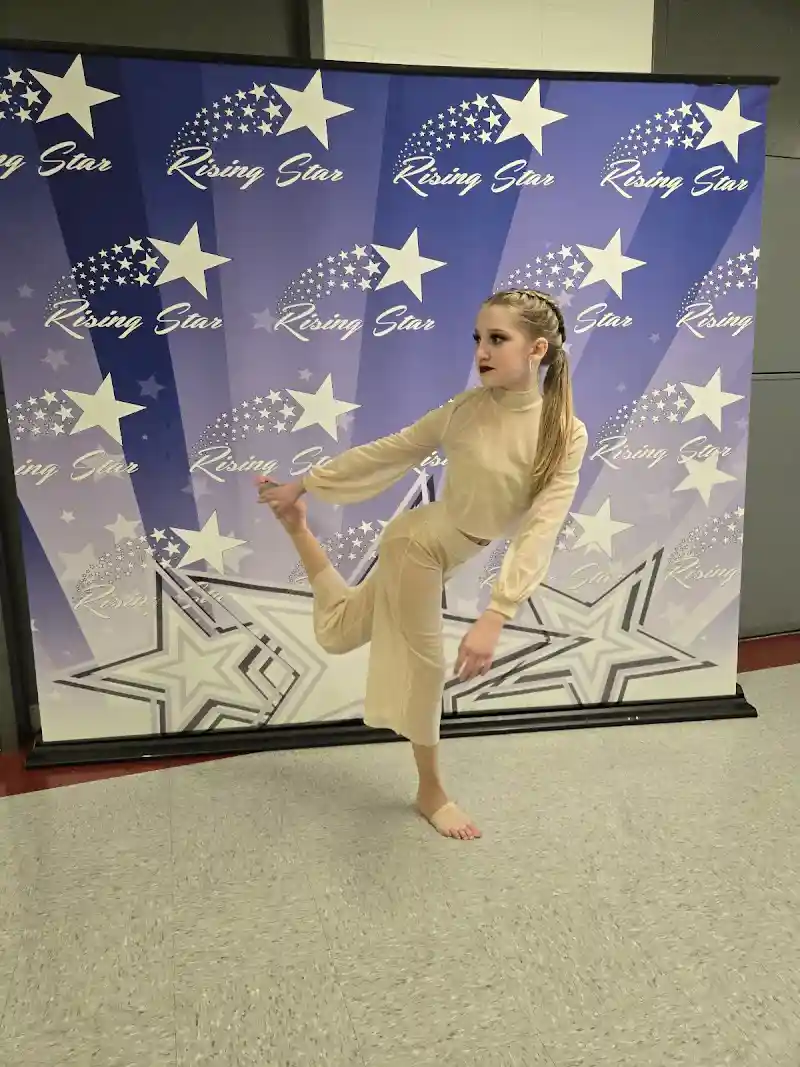
Want to dance and compete, then our competition team is for you! From our pre-team to our senior team we will find the perfect spot for your child. For our Minis-Seniors we compete in three local competitions and one national competition.
Recreational Classes
Do you have a little one that loves to dance? Or an older child that loves dancing? Then our recreational classes are perfect for you. With two opportunites to perform on stage for family and friends. We offer many different styles of dance as well as tumbling.
Wiggles & Giggles
Wiggles and giggles classes are designed as an early childhood movement program for children ages 1 months to two and a half years old where they engage in fundamental dance activities with a parent or partner. The class focuses on introducing little ones to the basics of movement, rhythm, and coordination in a fun and interactive environment. Wiggles and giggles classes emphasize bonding time between the child and their parent or partner. Parents or partners can participate by helping their child move, providing support, and encouraging their engagement in class activities. At this age the focus is on building a sense of rhythm, balance, and coordination. It might include basic actions like swaying, clapping, marching, bouncing, or gentle spinning all done to playful music. These classes also support the development of fine and gross motor skills. It may include sensory activities like touching different textures or using props such as scarves, shakers, or soft balls to stimulate the child’s senses. Early dance classes help with developing confidence in movement as students begin to socialize with other children and caregivers. This is an important first step in introducing children to group activities in a positive, low-pressure environment laying the foundation for future physical and social development while fostering a love of movement at a very young age.
Tumbling
Tumbling class is a type of gymnastics-based class that focuses on developing skills related to acrobatic movements such as rolls, cartwheels, handstands, back bends, bridges, handsprings, flips, and other floor-based stunts. Tumbling classes are designed to build strength, flexibility, coordination, and control while helping students learn how to perform aerial and floor exercises safely. Tumbling requires core, leg, and upper body strength as well as flexibility. Classes incorporate exercises designed to improve these areas to help improve students’ control, balance, and coordination. Beginners learn foundational moves, and more advanced students work on higher-level skills. Classes usually take place on padded mats to ensure safety. Tumbling classes are great for building physical fitness, discipline, and confidence while providing a fun, high-energy way for students to develop acrobatic and gymnastics skills.
Technique
Technique classes are focused on learning jumps, leaps, turns, and improving overall dance skills designed to build foundational strength, flexibility, coordination, and precision in a dancer’s movements. A major focus in these classes is to help students develop strength and control needed to execute jumps and leaps. Dancers work on height, extension, and landing control to ensure precision and fluidity in the air. The classes also focus on teaching and refining turning techniques, proper spotting, balance, and core strength to help dancers execute smooth and controlled rotations. The class provides drills and exercises to enhance skills like balance, flexibility, and endurance. As dancers improve their technical skills they will also gain confidence to enhance their overall performance. Technique class is essential for dancers of all levels.
Tap
Tap dance is a rhythmic style of dance where the performers use their feet. Tap dance is all about creating rhythm through the feet by using special shoes equipped with metal taps on the heels and toes of the shoes. The taps on the shoes strike the floor to produce a variety of sounds which dancers use to make rhythms and patterns. By striking the floor with their heels, toes, or balls of their feet dancers create a unique combination of clicks, clacks and taps.It is known for its high energy performances and ability to transform dance into a form of percussive music.
Pointe
Pointe dance is a form of ballet where dancers perform on the tips of their toes using specialized shoes called pointe shoes. Pointe is one of the most iconic aspects of classic ballet, requiring strength, balance and control to execute. The dancer’s movements appear to be light, fluid, and weightless. This technique allows for an elevation of the dancer’s performance giving the illusion of defying gravity as he or she executes, jumps, balances, and turns.
Kids’ Combination Dance Classes
Kids’ combination dance classes are designed for young dancers who combine two or more styles of dance into one lesson or session. These classes are aimed at introducing children to a variety of dance genres. This allows students to explore different techniques and styles without committing to separate classes for each genre. Common combinations include ballet and jazz, hip hop and jazz, ballet and tap, and more. These classes help children develop a well-rounded dance foundation by giving them exposure to different techniques. Combination classes are structured to have time allocated to each style of dance. The basic elements of dance are introduced in a positive and loving way using props such as scarves, stuffed animals, and ribbons. Also includes fun activities like parachutes, obstacle courses, and more. The diversity of movement styles and fun activities can keep their interest high making learning enjoyable.
Lyrical
Lyrical dance blends elements of ballet, jazz, and contemporary to create a style that is elegant and expressive often performed to music with lyrics. Lyrical dance conveys emotion and storytelling using body movements, facial expressions, and energy to mirror the feelings and narrative of the song. The dance is closely tied to the rhythm, melody, and lyrics of the song allowing the dancer to connect and interpret the song on a deeper level. Movements match the song’s tempo and mood.
Jazz
Jazz dance is a lively, dynamic, and expressive form of dance that blends various styles, rhythms, and techniques. Jazz dance has energetic movements, high kicks, leaps, turns, and intricate footwork. Jazz dancers often interpret the music through complex, sharp, and/or fluid movements. There is a strong focus on isolating different parts of the body such as the head, shoulders, and hips, creating a sense of sharpness and fluidity through the movements. There are various styles of Jazz including traditional, modern, Broadway, and even musical theater. Jazz is a form of entertainment in theater, film, and even street dance.
Irish Technique Cleaning and Flexibility
Irish technique class is a specialized class focused on learning and refining the techniques of traditional Irish dance. The class emphasizes proper posture, footwork, rhythm, and alignment. This is essential to mastering the distinctive movements and style of Irish dance. Irish dance is known for its intricate footwork. Students focus on mastering the basic movements such as reels, jigs, slips, thrusts, and leaps. Irish dance involves rapid, rhythmic footwork performed with minimal upper-body movement. Dancers are taught to maintain an upright, stiff posture with arms held to the sides and a straight back. The use of toes, heels, and balls of the feet are used to create clean, sharp movements for faster steps.
Hip Hop
Hip Hop dance is an energetic and dynamic style of dance often performed to upbeat, rhythmic music that promotes individuality, creativity, and self-expression. Hip hop incorporates quick footwork, popping (muscle contractions), locking (abrupt movements), and breaking. Dancers perform jumps, spins, and floor work that showcases athleticism and control. Hip-hop dance is tightly connected with hip-hop music, with movements that align closely with the music’s flow and energy.
Contemporary
Contemporary is a dynamic and ever-evolving form of dance that blends elements from various styles of dance to create expressive, fluid, and innovative movement. It is known for its emphasis on individual expression versatility and the exploration of new movement techniques. It allows the dancer to explore personal emotions, stories, and concepts through movement. Contemporary dance incorporates floor work, allowing dancers to explore movements that connect them with the ground. Dancers are encouraged to express themselves in an unique and sometimes unconventional way breaking traditional boundaries.
Cheerdance/Pom
Cheerdance is the combination of dance and traditional cheerleading elements. Cheerdance routines usually consist of synchronized dance moves to create formations, patterns, and high-energy movements that go along with the music. Cheerdance incorporates classic cheerleading motions such as arm placements, claps, and pom pom shakes. These formations and movements are designed to entertain and engage the audience.
Barre
Barre refers to a horizontal handrail or bar used as a support during ballet training. The barre is an essential tool that helps dancers maintain balance and posture during training exercises and stretching. Barre is used to perform foundational exercises to help build strength, flexibility, and coordination to help dancers develop proper alignment, control, and muscle engagement. Barre provides support which allows the dancer to focus on refining his or her technique without worrying about balance. It helps strengthen legs, core, and feet. Work done at the barre builds the foundation for more advanced movements including jumps, turns, and pointe work.
Ballroom
Ballroom dance is a group of partner dances performed in a social or formal setting. Characterized by graceful, coordinated movements and close physical connection between dancers. Ballroom dance is performed with a partner where one dancer leads and the other follows. Dancers work together to maintain harmony in their movements, balance, and timing. Proper arm positions, alignment of the body, footwork and technique are all important elements of ballroom dance to create smooth and fluid movements. It is known for its elegance, grace, and dramatic expression. Examples of ballroom dance are the waltz, tango, foxtrot, and more.
Ballet
Ballet is a highly technical and artistic form of dance emphasizing precision, grace, and fluidity of movement. Ballet focuses on posture, alignment, and strength. Dancers work on mastering positions, movements, and transitions fundamental to learning Ballet, such as pilé, relevé, and pirouettes. Movements are often long and flowing, creating beautiful lines and shapes. Performances often tell a story using movements to convey emotion, character, and plot. Classic Ballets include Swan Lake and The Nutcracker.
Competition Dance Teams
We have different levels of competition teams. Competitive dancers show off their skills by competing in competitions and performing at Winter Showcase and Spring Recital.
Recreational Classes
Recreational classes start at just 1 year old. Recreational dancers can show off what they have learned at our Winter Showcase and Spring Recital.
Frequently Asked Questions
How do I contact EPIC Dance Academy?
Call EPIC Dance Academy at (937) 567-8876 or visit http://www.epicdanceacademy.com/.
How much do classes cost at EPIC Dance Academy?
Classes at EPIC Dance Academy start at $64.
What is EPIC Dance Academy's phone number?
Reach EPIC Dance Academy directly at (937) 567-8876.
What is the best way to contact EPIC Dance Academy?
The quickest way is to call (937) 567-8876 or visit http://www.epicdanceacademy.com/.
Does EPIC Dance Academy have evening hours?
Yes, EPIC Dance Academy offers evening hours. Monday: 5:00 - 8:30 PM, Tuesday: 3:00 - 8:30 PM, Wednesday: 3:00 - 8:30 PM, Thursday: 3:00 - 8:30 PM.
More studios near this location
Discover other dance studios around Centerville, Ohio.