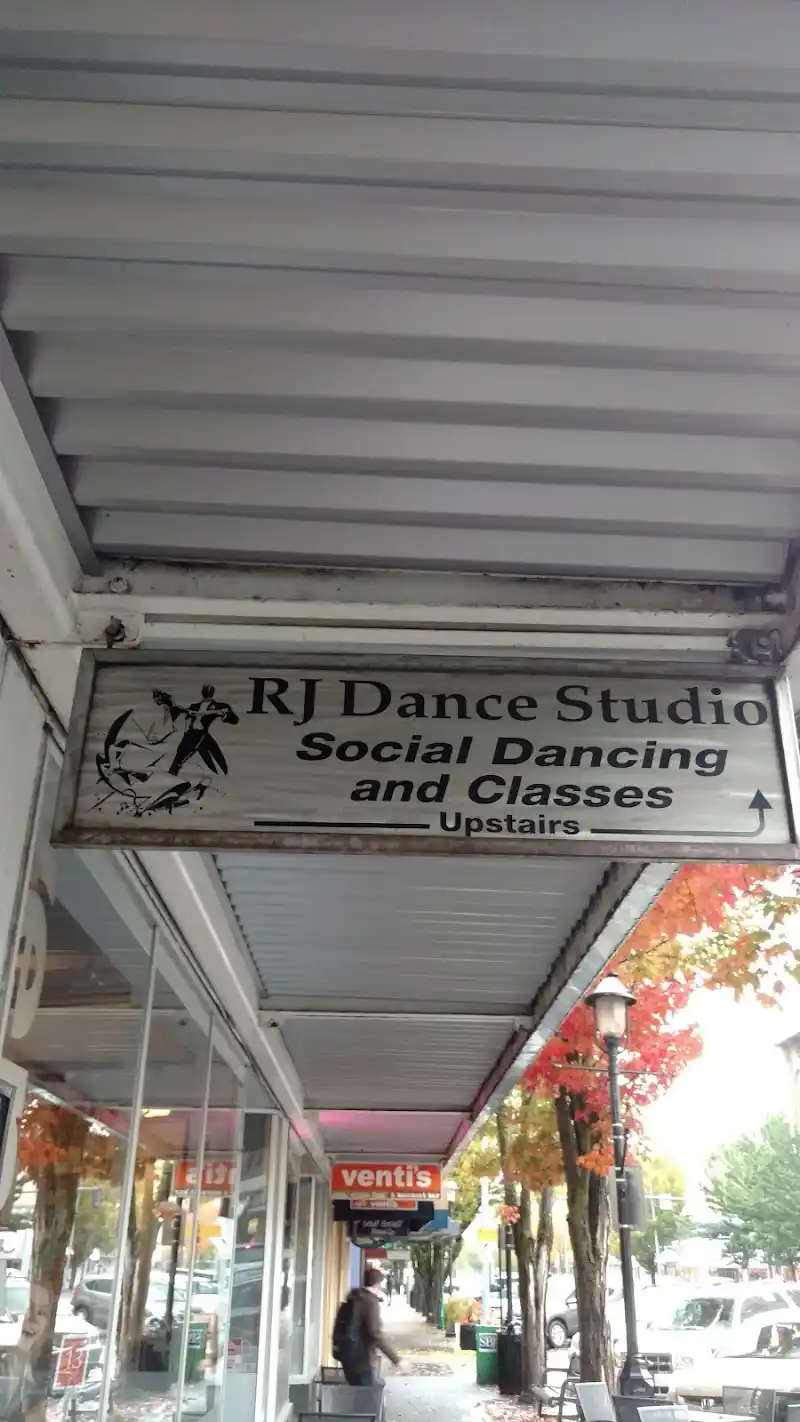
RJ Dance Studio
Address
317 Court Street Northeast
Salem, Oregon 97301
About RJ Dance Studio
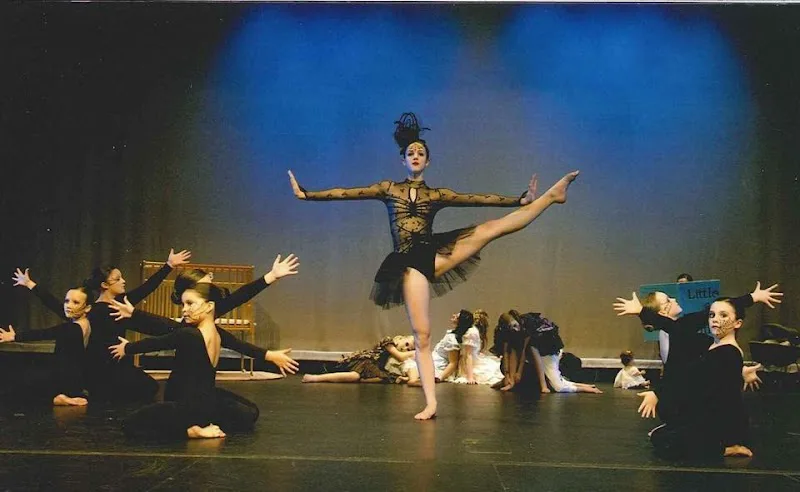
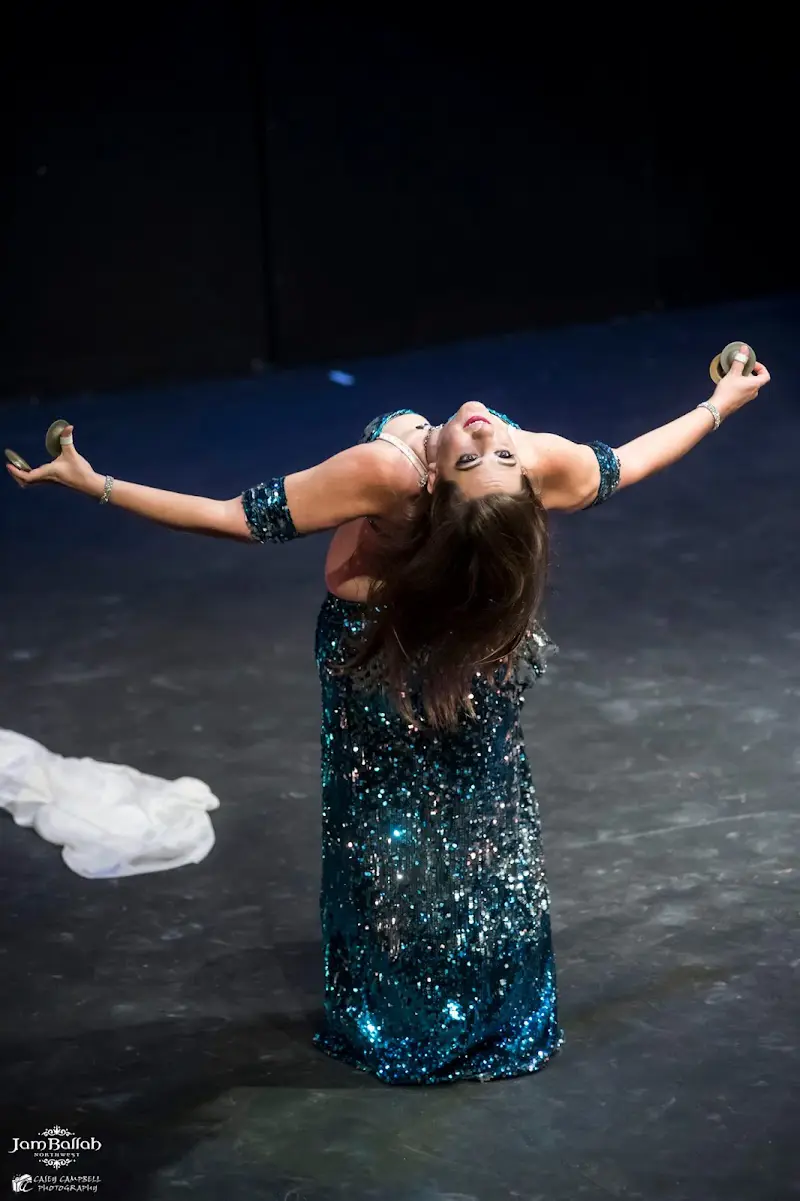
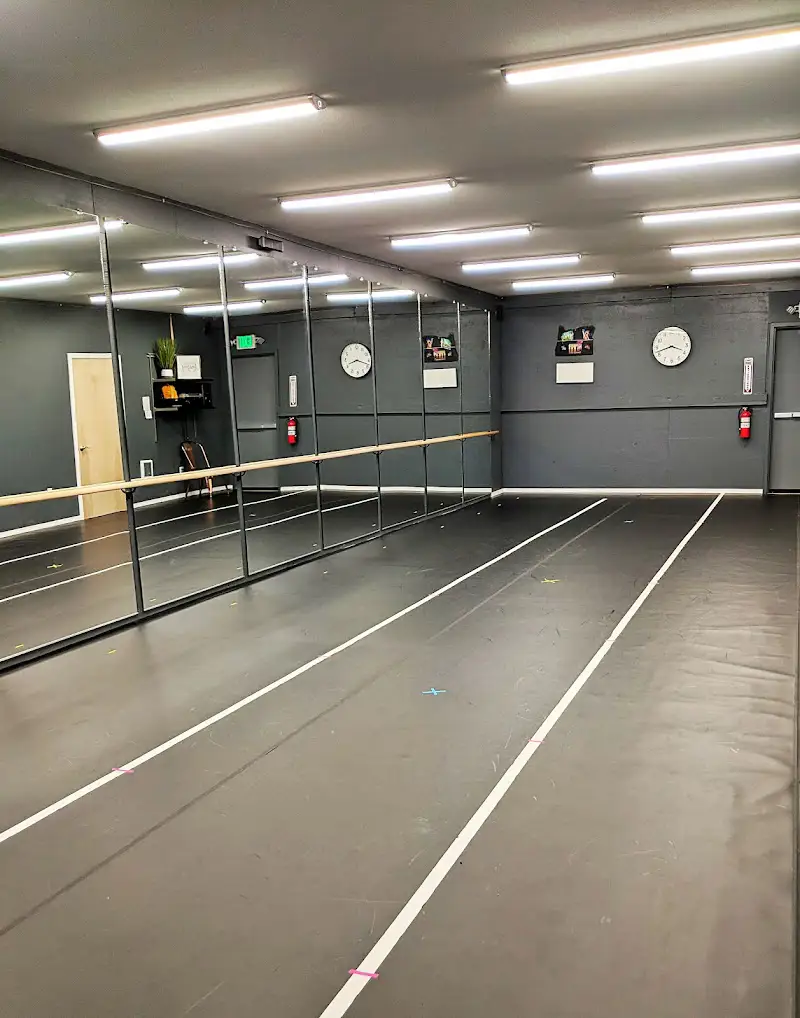
RJ Dance Studio, a cornerstone of dance instruction in Salem, Oregon since 1984, offers a vibrant and diverse dance experience for all ages and skill levels. Located in the beautifully renovated Pearce Ballroom, the studio provides a healthy and safe environment for dancers to explore their passion. Led by professional instructors like Lora LaMon, whose extensive background includes classical piano and a lifelong love for ballet, tap, ballroom, Latin, and swing, and Meaghan Feeback, a TCRG-certified Irish Step dancer with national and world competition experience, RJ Dance Studio offers comprehensive training. Their curriculum encompasses a wide array of styles, including Ballet, Ballroom, Belly Dance, Breakdance, Contemporary, Flamenco, Hip Hop, Irish Step, Jazz, K-Pop, Latin, Line Dancing, Salsa, Swing, Tap, and Zumba. Beyond group classes and private lessons, RJ Dance Studio fosters a strong sense of community through exciting social dances, providing ample opportunities to practice learned skills in a fun, real-world environment. They also host specialized 'Stuff' workshops focusing on crucial technical elements and offer instruction for wedding preparation and private events. With a commitment to providing quality instruction in a supportive environment, RJ Dance Studio is a dynamic hub for the Willamette Valley dance community, ensuring a well-rounded dance education that is fun, affordable, and sensible.
Styles offered at RJ Dance Studio
Programs from RJ Dance Studio
50 programs available
Classes
Private lessons
Private lessons are something to consider about 2-3 months out from your wedding. That’s when you start looking for that special piece of music you will use for your First Dance. That is also when you will decide if you want a simple “lead-follow” dance or a more fully choreographed dance routine.
Group Classes
Group Classes are the most affordable way to start dancing. Group classes and Social Dances expose you to the wide variety of dance rhythms and music which help you to have a nice variety of dances to pick from. One dance will not fit all music, so the more dances you know, the less you will be sitting.
Samba
The all-out party dance of Rio at Carnival time . . . day and night, never ending processions of bright, colorfully decorated floats, lively musicians and dancers wearing extravagant costumes and head dresses. There are many different versions of Samba, each with different rhythms, tempos and moods. The Samba we do in this country is just one of these rhythms.
Rumba
A very popular Latin dance, Rumba is the slow, sensual dance of love and seduction, characterized by strong Cuban, or Latin, hip and leg action. The rhythm is Slow, Quick, Quick (or Quick, Quick, Slow). The patterns themselves are simple enough, making success attainable in a fairly short time.
Mambo/Salsa
Fast, sassy and fun, Salsa is considered a Club Style social Latin dance, while Mambo is more similar to ChaCha without the Cha. Mambo, Salsa and Cumbia all share the same timing (Quick, Quick, Slow) as well as many of the same patterns, but it “breaks” on the 2nd beat of the music (like ChaCha) and holds on the 1st beat. It has a ball/flat foot action, like ChaCha and Rumba, that helps with executing the Cuban hip/leg action and rib isolation that is unique to most Latin dances.
ChaCha
ChaCha is flirtatious but not as intimate as the slower Rumba. It’s more fun, relaxed and carefree. The “slow” in Rumba is replaced with a faster “side-together-side” (Cha-Cha-Cha) and shares many of the same steps as Mambo or Salsa. In fact, if your Salsa or Mambo is too “slow” to dance comfortably, the faster “side-together-side” (Cha-Cha-Cha) will fill the timing gap.
Salsa/Mambo
Fast, sassy and fun, Salsa is considered a Club Style social Latin dance. It shares the same timing as Mambo and Cumbia (Quick, Quick, Slow) as well as many of the same patterns, but it “breaks” on the 1st beat of the music and holds on the 4th beat. In Salsa, turns eventually become an important feature.
The Hustle
Today’s Hustle is not the line dance of the 60’s and 70’s. But, the music still has that unmistakable driving, pulsing Disco Beat. This dance awesome! Hustle is fast moving in a linear action, and can use many of the swing moves you might already know, including spins, face loops and optional “big” arm actions.
Merengue
Dances to really fast 2/4 timing music, Merengue consists of very simple steps initially organized into sets of 8, with a single step taken on every beat of the music. It still features the Latin characteristic hip swing and graceful arms. The dance can be done in both closed dance position, with the entire partnership turning clockwise or counterclockwise together, or in open dance position in which dancers make turns individually, but never let go of their partner’s connection.
Night Club 2-Step
A dance created in the mid-60’s by Swing Dance Champion and Master Teacher, Buddy Schwimmer (Benji Schwimmer’s dad). The Night Club 2-Step is danced to a slow to medium slow tempo that lends itself well to today’s contemporary music. This dance works well on both small and large floors, making it very versatile.
Lindy Swing
The Lindy picked up where the Charleston left off, incorporating “swing-outs”, “break-aways”, and “shine-steps”. Probably the earliest version of Swing, it is often considered the “grand-daddy” of all swing dances. The Lindy Hop originated in Harlem to a mix of Jazz and R& B music in the late 1920’s and was named after Charles Lindbergh’s transatlantic “hop” from New York to Paris.
West Coast Swing
Also known as “Sophisticated Swing” because of its smooth, sometimes sensual characteristic. West Coast combines variations of both East Coast 6-count timing and Lindy 8-count timing patterns. It breaks from the “mirror” and rotational movement of other Swing Dances and takes on a very one-dimensional linear action known as a “slot”.
The Jive
This is the European version of our American East Coast Swing, on steroids. Although there are some pattern similarities between Jive and East Coast Swing, the speed of Jive is considerably faster and is characterized by a prominent “bounce” (unheard of in our American Swing styles). It also includes various sharp kicks and foot flicks.
East Coast Swing
East Coast Swing introduces you to the slower Swing tempis using what is called a “triple time” rhythm. This Triple-step, Triple-step, Rock-step give the dance a buoyant (not bouncy!) characteristic. It continues to be rotational, like its Basic Single Time Swing counterpart, but the triple time rhythm gives you more mobility on the floor.
Basic Simple Swing
Basic Swing is the simplest and easiest Swings to learn and do, making it the best swing dance to start with as a newcomer. Because of its simplicity, Basic Swing accommodates the faster varieties of Swing music. But don’t despair! It is a rotational dance with an easy basic timing of Step, Step Rock Step that will get you started on your way to discovering the FUN of dancing together as partners.
Quickstep
Quickstep, sometimes referred to as “Fast Foxtrot” evolved out of necessity when live bands in the 1920’s played Slow Foxtrot music too fast, and couples on the floor could not keep up . It retains the walk and running actions, as well as the chasses, and turns of the original Slow Foxtrot, but can also incorporate some more athletic elements such as locks, hops, skips, and kicks.
Viennese (Strauss) Waltz
Viennese Waltz is about twice the speed (180 beats per minute) of Slow Waltz (90 beats per minute), and features a simplified version of the slower footwork. The word “Waltz” means “to revolve” and true to its name, the partners in Viennese Waltz twirl and revolve past each other almost continuously as they travel around the floor.
(Slow) Waltz
Waltz is a beautiful dance of pure elegance characterized by graceful sweeping, swaying rise and fall. It is the perfect romantic dance that is often used for that “First Dance” at weddings The unique 3/4 timing gives every step equal time – no quicks or slows to contend with.
Argentine Tango
Argentine Tango is the original Tango, from which the ballroom derivatives were formed. It’s an intimate, compact dance often done in a very close dance embrace and featuring intricate, mesmerizing footwork and usually a sensuous, passionate character. Argentine Tango was the first couple dance ever seen in Europe that involved improvisation.
Ballroom Tango
Tango takes on many forms, but in all, it is a very dramatic dance telling the story of love, passion, anger and desire. Tango originated in the ghettos of Argentina, where it was performed most by the men who worked in the mining camps. Because women were in short supply, it was not uncommon for the men to dance (practice) together. Today’s Ballroom Tango is emphasized with staccato music, foot swivels, draws and flicks along with poses filled with attitude.
(Slow) Foxtrot
An American Dance Often referred to as the dance of Fred Astaire and Ginger Rogers, Foxtrot is the “staple” of ballroom dances and is probably the most well known and most versatile of dances. American Social Foxtrot has two rhythms (Slow Quick Quick, and Slow Slow Quick Quick), allowing for great mobility on the floor if there is room.
Group Classes
Group Classes are the most affordable way to start dancing. Group classes and Social Dances expose you to the wide variety of dance rhythms and music which help you to have a nice variety of dances to pick from.
Your Very Own Classes
Your Wedding Party, your First Dance at your wedding, your social/civic club, your work organization, church, youth group or special circle of friends or professional associates are all opportunities to put together a series of classes just for your group.
Private Lessons
Private lessons are an opportunity to receive one on-one attention and help. Private time is also an option for those who have irregular work schedules, or schedules that conflict with your partner’s therefore making it difficult to impossible to attend a complete series of group classes.
Tweener/Level 2 classes
For those ready to move beyond their basics. Group classes are a fun, inexpensive way to learn. Singles are always welcome and encouraged to participate. We recommend changing partners during classes to give everyone an opportunity to work with different partners and meet new friends. After all, dancing is a social activity!
Level 1 classes
Most of which are appropriate for brand new dancers. Group classes are a fun, inexpensive way to learn. Singles are always welcome and encouraged to participate. We recommend changing partners during classes to give everyone an opportunity to work with different partners and meet new friends. After all, dancing is a social activity!
Private Lessons
Time restrictions in group classes do not always allow time for some individual needs to be addressed. Private lessons are an opportunity to receive one on-one attention and help. Private time is also an option for those who have irregular work schedules, or schedules that conflict with your partner’s therefore making it difficult to impossible to attend a complete series of group classes.
Group Classes
New series of group classes start every month, usually the 1st or 2nd week. There are Level 1 classes, most of which are appropriate for brand new dancers, and Tweener/Level 2 classes for those ready to move beyond their basics. Group classes are a fun, inexpensive way to learn. Singles are always welcome and encouraged to participate.
Your Very Own Classes
Your Wedding Party, your First Dance at your wedding, your social/civic club, your work organization, church, youth group or special circle of friends or professional associates are all opportunities to put together a series of classes just for your group. Call or email to discuss specifics, scheduling availability and rates.
Private Lessons
Time restrictions in group classes do not always allow time for some individual needs to be addressed. Private lessons are an opportunity to receive one on-one attention and help. Private time is also an option for those who have irregular work schedules, or schedules that conflict with your partner’s therefore making it difficult to impossible to attend a complete series of group classes. Private lessons are useful for both singles or couples. However, if you have a partner, it is more beneficial if both partners are present for class and/or lessons, even if one partner is more “advanced” than the other.
Group Classes
New series of group classes start every month, usually the 1st or 2nd week. There are Level 1 classes, most of which are appropriate for brand new dancers, and Tweener/Level 2 classes for those ready to move beyond their basics. Group classes are a fun, inexpensive way to learn. Singles are always welcome and encouraged to participate. We recommend changing partners during classes to give everyone an opportunity to work with different partners and meet new friends. After all, dancing is a social activity!
Private Lessons
Time restrictions in group classes do not always allow time for some individual needs to be addressed. Private lessons are an opportunity to receive one on-one attention and help. Private time is also an option for those who have irregular work schedules, or schedules that conflict with your partner’s therefore making it difficult to impossible to attend a complete series of group classes. Private lessons are useful for both singles or couples. However, if you have a partner, it is more beneficial if both partners are present for class and/or lessons, even if one partner is more “advanced” than the other. This way both partners receive the same information with which to practice and work on their dancing together.
Private Lessons
Private lessons are an opportunity to receive one-on-one attention and help. Private time is also an option for those who have irregular work schedules, or schedules that conflict with your partner’s therefore making it difficult to impossible to attend a complete series of group classes.
Tweener/Level 2 classes
These classes are for those ready to move beyond their basics. Group classes are a fun, inexpensive way to learn. Singles are always welcome and encouraged to participate. We recommend changing partners during classes to give everyone an opportunity to work with different partners and meet new friends.
Level 1 classes
These classes are appropriate for brand new dancers and are a fun, inexpensive way to learn. Singles are always welcome and encouraged to participate. We recommend changing partners during classes to give everyone an opportunity to work with different partners and meet new friends.
Irish Step Dance – Hard and Soft Shoe
Meaghan started Irish dancing at age 10 after watching Riverdance obsessively on OPB. For the next 15 years, she trained as a competitive soloist and team dancer in addition to participating on a performance troupe for 13 years. As both a solo and team competitor, Meaghan traveled all over North America and to Ireland and Scotland to dance in regional, national and world level competitions. She was a top five podium soloist in the western region and a top 25 soloist at the nationals. In 2014 she sat and passed her TCRG certification, making her a registered dance teacher with the Irish Dancing Commission (CLRG) in Dublin, Ireland. She teaches with the Yeates Academy of Irish Dance.
WEDDING PREP.
Dancing is a part of almost every wedding, especially the wedding couple’s First Dance.
TECHNIQUE CLASSES
Due to time restraints, technical information is often just touched upon in a general group class, so these classes ...
YOUR VERY OWN CLASSES
Your Wedding Party, your First Dance at your wedding, your social/civic club, your work organization, church, youth ...
PRIVATE LESSONS
Time restrictions in group classes do not always allow time for some individual needs to be addressed. Private lessons ...
GROUP CLASSES
New series of group classes start every month, usually the 1st or 2nd week. There are Level 1 classes, most of which ...
SOCIAL DANCES
RJDS has been the Willamette Valley Dance Connection hosting a weekly Social Dance every Tuesday night ..
Social Dances
RJDS has been the Willamette Valley Dance Connection hosting a weekly Social Dance every Tuesday night since 1991. 7:30-9:30pm. Cost is currently still just $5/person (some exceptions). There is no lesson with this dance.
Social Dances
RJDS has been the Willamette Valley Dance Connection hosting a weekly Social Dance everyTuesday night since 1991. 7:30-9:30pm. Cost is currently still just $5/person (some exceptions). There is no lesson with this dance. There are also some weekend dances on various select weekends. Dates, times and cost vary. These dances are open to all dancers. You do not have to be a student of RJDS to attend our dances. Dancing is a social activity, so regularly attending Social Dances is the perfect opportunity to work on what you’ve learned in class in a real dance environment. It’s also a great time and place to connect with other dancers; meet, mix, encourage, share, dance with others while building and supporting the local dance community. The weekly Social Dance is also an excellent opportunities for new dancers and would be dancers, to just watch, ask questions and get plugged in. Do you want to know what the difference is between This Dance and That Dance or What Dance to start with? Come to the weekly Social Dances. There you will see the wide variety of dances and the correct music that goes with each. This can be very helpful for new dancers trying to determine what what they like, what dance to start with or continue with. We are there to help you sort it all out. It’s all good – the dancing, the support, the community.
Courses
Group Classes
New series of group classes start every month, usually the 1st or 2nd week. There are Level 1 classes, most of which are appropriate for brand new dancers, and Tweener/Level 2 classes for those ready to move beyond their basics. Group classes are a fun, inexpensive way to learn. Singles are always welcome and encouraged to participate. We recommend changing partners during classes to give everyone an opportunity to work with different partners and meet new friends. After all, dancing is a social activity! How large the class is depends on the dance style and level. Some dances are more popular than others, but all of them are a lot of fun. The more dances you know, the more variety you will have in your dancing experience. And no, one dance will not cover all the various music used for dancing. Usually 4-6 different dances will cover a majority of dance music. Most classes run 4-5 weeks, meeting once a week for 60-90 minutes. Costs vary depending on duration and class level.
Workshops
"Stuff" Workshops
"Stuff" provides excellent material to help you develop your dancing into an enjoyable art form with your partner instead of a wrestling match. It’s about learning how your body moves (and doesn’t move), and getting it to move more efficiently. When applied to your dancing, your dancing becomes more fun.
Technique Classes
These classes are additional one-day workshops focusing on the much needed and neglected technical side of dance. Dance is more than just steps that you seen in class or try to copy from watching YouTube. It’s a balance between what moves and what stays still, and why.
Technique Classes
Due to time restraints, technical information is often just touched upon in a general group class, so these classes are additional one-day workshops focusing on the much needed and neglected technical side of dance. Many people shy away from technique because they don’t understand the value of it and they “just want to have fun”.
Technique Classes
Due to time restraints, technical information is often just touched upon in a general group class, so these classes are additional one-day workshops focusing on the much needed and neglected technical side of dance. Many people shy away from technique because they don’t understand the value of it and they “just want to have fun”. But don’t be too quick to brush off technique. Dance is more than just steps that you seen in class or try to copy from watching YouTube.
Technique Classes
Due to time restraints, technical information is often just touched upon in a general group class, so these classes are additional one-day workshops focusing on the much needed and neglected technical side of dance. Many people shy away from technique because they don’t understand the value of it and they “just want to have fun”. But don’t be too quick to brush off technique. Dance is more than just steps that you seen in class or try to copy from watching YouTube. It’s a balance between what moves and what stays still, and why. It’s about being in balance and staying in control of your dance, not the other way around. Without some basic technique, you either look/feel like a wooden soldier or marionette bobbing on its strings. The answer? “Stuff” Workshops. “Stuff” provides excellent material to help you develop your dancing into an enjoyable art form with your partner instead of a wrestling match. “Stuff” is not about learning more dance steps or patterns. It’s about learning how your body moves (and doesn’t move), and getting it to move more efficiently. When applied to your dancing, your dancing becomes more fun, because what you’re trying to do is working, which is definitely more fun, and allows you to eventually take on more advanced material. It’s better if you have taken some basic classes to familiarize yourself with basic dance material and vocabulary before attempting technique workshops.
Frequently Asked Questions
How do I contact RJ Dance Studio?
Call RJ Dance Studio at (503) 363-3341 or visit http://www.rjdance.com/.
What is the best way to contact RJ Dance Studio?
The quickest way is to call (503) 363-3341 or visit http://www.rjdance.com/.
What are RJ Dance Studio's prices?
Classes at RJ Dance Studio range from $5 to $80.
Does RJ Dance Studio have a website?
Yes, you can find RJ Dance Studio online at http://www.rjdance.com/.
How much do classes cost at RJ Dance Studio?
Classes at RJ Dance Studio range from $5 to $80.
More studios near this location
Discover other dance studios around Salem, Oregon.