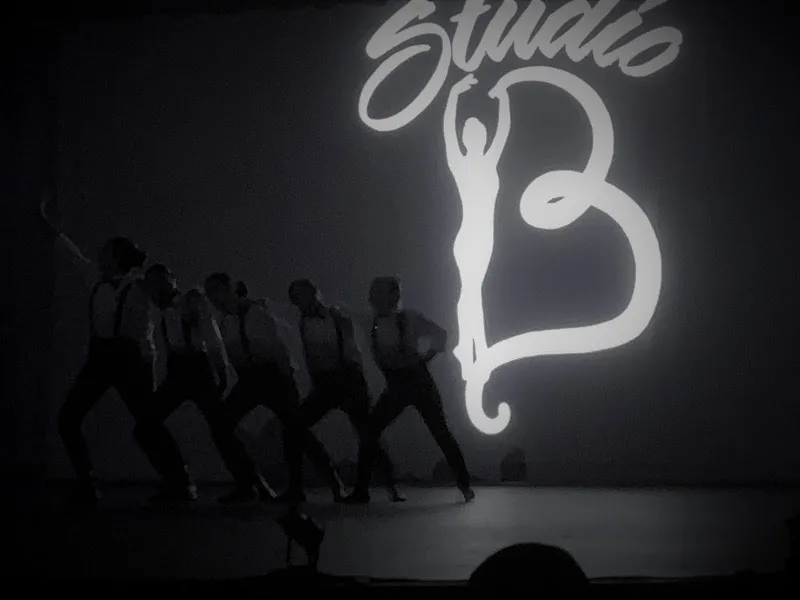
Studio B Dance Company
Address
261 Fort Smith Boulevard
Deltona, Florida 32738
Opening Hours
- Monday: 4:00 - 8:00 PM
- Tuesday: 4:00 - 7:30 PM
- Wednesday: 3:00 - 7:00 PM
- Thursday: 4:00 - 7:00 PM
- Friday: 5:00 - 8:00 PM
- Saturday: 9:30 - 11:00 AM
- Sunday: Closed
About Studio B Dance Company
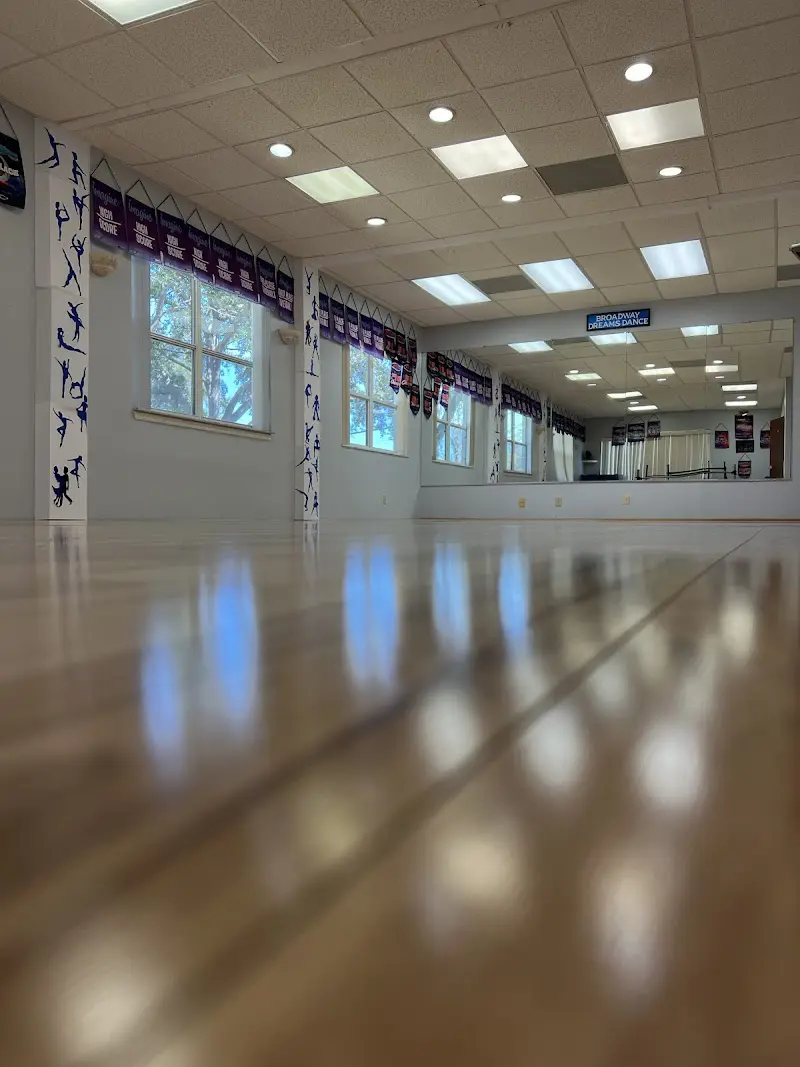
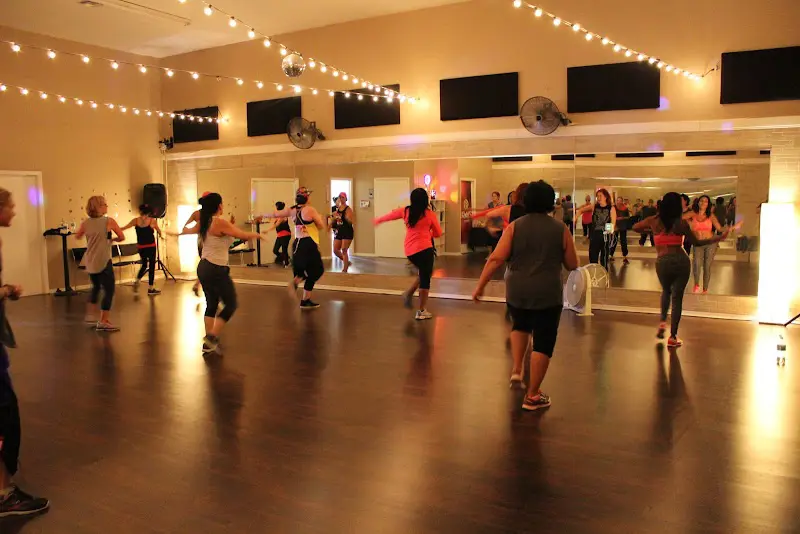
Studio B Dance Company is a dance studio serving the Deltona community in Florida. Based at 261 Fort Smith Boulevard in Deltona, Florida, the studio provides quality dance instruction for students of all ages and abilities. From beginners taking their first steps to experienced dancers refining their technique, Studio B Dance Company offers a supportive environment where every student can develop their skills and passion for dance. The studio focuses on building strong technical foundations while fostering creativity and artistic expression in each dancer.
Programs from Studio B Dance Company
122 programs available
Classes
Hip-hop
Tumble
Ballet & Tap
Tiny & Mini Classes
Our Tiny & Mini have many options throughout the week to start their dance journey. Our Tiny & Mini classes are designed to encourage more complex motor skills, Basic communication skills, Team work, and confidence! Any small child can benefit from dance class, it encourages them to listen to music, think about their body & help them figure out how to move it. It is a mix of basic dance knowledge, muscle strengthening through repetition, Games, Stories, the occasional class party & more!
Musical Theatre
Musical Theatre mixes Basic dance skills from Ballet, Jazz & Tap with Pantomime motions and singing of song lyrics. This is to mimic what it's like to dance as a stage dancer in productions found on Broadway, such as Annie!, Wicked, Matilda, and Mrs. Bri's Personal Favorite CATS.
Jazz
Jazz is the combination of African Traditional Dance, European Folk Dance, Mixed with Latin American influences. It is a diverse dance style that can fit almost any tempo & style of music. You may be familiar with Jazz from classic Broadway productions, the back up dancers you see at concerts, or even more easily recognized The NYC Rockettes! Jazz is traditionally upbeat and fast! Jazz requires intense stamina, strong center cores, and highly controlled leaps & turns. Jazz formations & choreography are precise, and expected to be in perfect sync with one another. In the beginning students will learn simple Drag steps, Jazz Squares, High Kicks, Beginner turns and more. Later those basics get faster, more complex, and bold. Other common elements of Jazz are Kick lines, Long Turn combinations, and fast arm & feet work.
Tap
Tap is an American born artform, originating as a combination of Native American Step Dancing, Irish Clogging, and Traditional African Dances. Tap can translate into any music, any genre of performance. It's not only about the dancing but being a part of the music as well. Tap teaches how to create different sounds through the movement of the feet and body. It greatly increases the dancers understanding of momentum, speed, rhythm, and applying the proper pressure when dancing. Musicality is crucial in Tap, since there are actual metal plates on the bottom of the shoes that every step matters! Any beginning dancer will benefit from Tap, it builds strength and complex articulation through the students ankles & feet. While building a strong ear for music's rhythms, beats, tempos, and how we can aid the music by our bodies being the instrument itself!
Hip Hop
Hip-Hop as we know it was defined around the 1960's & 1970's in the city streets of New York City. Locals infused traditional African dance with more modern upbeat and original moves. The styles of Hip-Hop quickly expanded with its popularity. Eventually Coast to Coast had caught the Hip Hop Bug. Soon many moves and styles became defined by simply where you lived and what form of street dance was in your area. Many moves are simply named after the City, Street, or State the originator is from. Using a style of dance to represent their community & themselves. Some familiar styles of Hip-Hop are Breaking, Pop & Locking, and much more!
Lyrical - Contemporary - Modern
Lyrical is a more free flowing version of Ballet, it requires a foundation of ballet technique but breaks away from the traditional performance style of Ballet. No one is actually sure of when this style of dance first originated or where! What we do know is has defined itself in the dance world quickly! Lyrical's goal is to translate the words & deeper meanings in music and express that through the movement of the body. It encourages children to use their emotions, learn to act a little to properly communicate the dances meaning. Contemporary takes it a step farther, it focuses on moving with the beats, rhythms and tones of the music alone. Using more unique, experimental, and personally creative ideas in dance. Musicality is major focus, and being able to move with the music with no story to tell. Originating in Canada around 100 years ago with Traditional dancers desiring to break the rules and have more creative control in how they dance. We encourage those who are interested in Contemporary & Lyrical to have a knowledge of Basic Ballet, or Jazz if not we encourage you to consider registering your student for both.
Pre-Pointe & Pointe
Pre-Pointe is a crucial step any Ballet dancer must take in order to properly be prepared for Pointe Shoes. This class focuses heavily on the strength of the feet & ankles ensuring they are properly placed before ever attempting pointe! Along side intense conditioning to strengthen the dancers upper body, core, and whole body overall. Once a teacher deems a student prepared enough then they can go get fitted for the perfect pair of Pointe shoe! Pointe shoes are unique to each dancer, still made by hand by skilled craftsmen, and no dancer is the same for when and how they will be ready for pointe! Pointe shoes stay with us the first few years to ensure students do not misuse them at home. Once they are comfortable in their shoes, and are knowledgeable about the proper technique then dancers can keep their Pointe shoes with them at all times.
Mini Combo
Ballet
Ballet is a long standing form of dance originating in Italy in the 1500's, it wouldn't become the ballet we know today until the early 1800's. It has grown into a art form that has many "Ballet Methods" that teach Ballet in their own unique ways. Ballet has spread world wide, and each country that has adopted its art form has created their own unique and profound methods of teaching Ballet. Here at Studio B. our Ballet teachers focus on the Vaganova method, a traditionally mathematically, methodically inclined form of Ballet. It focuses heavily on taking human anatomy & physics seriously when teaching and performing Ballet. That is why it is one of the most popular methods.
Junior level 2
Junior level 1
Petit
Mini Tumble
Acro
A combination of classic dance technique with Acrobatics, seamlessly combined to create a unique style of dance, defined by its balance of flexibility and strength. You may be familiar with acro through popular performance shows like Cirque du Soleil. Its style was defined in Canada in the early 1900's and has only grown with popularity each and every decade since. Acro begins with stunts like Somersaults, Cartwheels, Leg holds, and other beginner versions of more complex skills.
Hip-hop
Combination Classes of Ballet & Tap, Tumble, and Hip-hop!
Tumble
Combination Classes of Ballet & Tap, Tumble, and Hip-hop!
Ballet & Tap
Combination Classes of Ballet & Tap, Tumble, and Hip-hop!
Musical Theatre
Musical Theatre mixes Basic dance skills from Ballet, Jazz & Tap with Pantomime motions and singing of song lyrics. This is to mimic what its like to dance as a stage dancer in productions found on Broadway, such as Annie!, Wicked, Matilda, and Mrs. Bri's Personal Favorite CATS.
Jazz
Jazz is the combination of African Traditional Dance, European Folk Dance, Mixed with Latin American influences. It is a diverse dance style that can fit almost any tempo & style of music. You may be familiar with Jazz from classic Broadway productions, the back up dancers you see at concerts, or even more easily recognized The NYC Rockettes! Jazz traditionally up beat and fast! Jazz required intense stamina, strong center cores, and highly controlled leaps & turns. Jazz formations & choreography are precise, and expected to be in perfect sync with one another. In the beginning students will learn simple Drag steps, Jazz Squares, High Kicks, Beginner turns and more. Later those basics get faster, more complex, and bold. Other common elements of Jazz are Kick lines, Long Turn combinations , and fast arm & feet work.
Tap
Tap is an American born artform, originating as a combination of Native American Step Dancing, Irish Clogging, and Traditional African Dances. Tap can translate into any music, any genre of performance. It's not only about the dancing but being a part of the music as well. Tap teaches how to create different sounds through the movement of the feet and body. It greatly increases the dancers understanding of momentum, speed, rhythm, and applying the proper pressure when dancing. Musicality is crucial in Tap, since there are actual metal plates on the bottom of the shoes that every step matters! Any beginner dancer will benefit from Tap, it builds strength and complex articulation through the students ankles & feet. While building a strong ear for music's rhythms, beats, tempos, and how we can aid the music by our bodies being the instrument itself!
Hip Hop
Hip-Hop as we know it was defined around the 1960's & 1970's in the city streets of New York City. Locals infused traditional African dance with more modern upbeat and original moves. The styles of Hip-Hop quickly expanded with it's popularity. Eventually Coast to Coast had caught the Hip Hop Bug. Soon many moves and styles became defined by simply where you lived and what form of street dance was in your area. Many moves are simply named after the City, Street, or State the originator is from. Using a style of dance to represent their community & themselves. Some familiar styles of Hip-Hop are Breaking, Pop & Locking, and much more!
Lyrical - Contemporary - Modern
Lyrical is a more free flowing version of Ballet, it requires a foundation of ballet technique but breaks away from the traditional performance style of Ballet. No one is actually sure of when this style of dance first originated or where! What we do know is has defined itself in the dance world quickly ! Lyrical's goal is to translate the words & deeper meanings in music and express that through the movement of the body. It encourages children to use their emotions, learn to act a little to properly communicate the dances meaning. Contemporary takes it a step farther, it focuses on moving with the beats, rhythms and tones of the music alone. Using more unique, experimental, and personally creative ideas in dance. Musicality is major focus, and being able to move with the music with no story to tell. Originating in Canada around 100 years ago with Traditional dancers desiring to break the rules and have more creative control in how they dance. We encourage those who are interested in Contemporary & Lyrical to have a knowledge of Basic Ballet, or Jazz if not we encourage you to consider registering your student for both.
Ballet
Ballet is a long standing form of dance originating in Italy in the 1500's, it wouldn't become the ballet we know today until the early 1800's. It has grown into a art form that has many "Ballet Methods" that teach Ballet in their own unique ways. Ballet has spread world wide, and each country that has adopted it's art form has created their own unique and profound methods of teaching Ballet. Here at Studio B. our Ballet teachers focus on the Vaganova method, a traditionally mathematically, methodically inclined form of Ballet. It focuses heavily on taking human anatomy & physics seriously when teaching and performing Ballet. That is why it is one of the most popular methods.
Acro
Is a combination of classic dance technique with Acrobatics. Seemlessly combined to create a unique style of dance, defined by it's balance of flexibility & strength. You may be familiar with acro through popular performance shows like Cirque du Soleil ! It's style was defined in Canada in the early 1900's and has only grown with popularity each and every decade since. Acro begins with stunts like Somersaults, Cartwheels, Leg holds, and other beginner versions of more complex skills. Over time these simple things like Cartwheels become one handed Cartwheels, then one day a Aerial.
Tiny & Mini Classes
Our Tiny & Mini have many options throughout the week to start their dance journey. Our Tiny & Mini classes are designed to encourage more complex motor skills, Basic communication skills, Team work, and confidence! Any small child can benefit from dance class, it encourages them to listen to music, think about their body & help them figure out how to move it.
Jazz
Jazz is the combination of African Traditional Dance, European Folk Dance, Mixed with Latin American influences. It is a diverse dance style that can fit almost any tempo & style of music. You may be familiar with Jazz from classic Broadway productions, the back up dancers you see at concerts, or even more easily recognized The NYC Rockettes!
Tap
Tap is an American born art form, originating as a combination of Native American Step Dancing, Irish Clogging, and Traditional African Dances. Tap can translate into any music, any genre of performance. It's not only about the dancing but being a part of the music as well. Tap teaches how to create different sounds through the movement of the feet and body.
Hip Hop
Hip-Hop as we know it was defined around the 1960's & 1970's in the city streets of New York City. Locals infused traditional African dance with more modern upbeat and original moves. The styles of Hip-Hop quickly expanded with its popularity. Eventually Coast to Coast had caught the Hip Hop Bug.
Lyrical - Contemporary - Modern
Lyrical is a more free flowing version of Ballet, it requires a foundation of ballet technique but breaks away from the traditional performance style of Ballet. Contemporary takes it a step farther, it focuses on moving with the beats, rhythms and tones of the music alone. Using more unique, experimental, and personally creative ideas in dance.
Pre-Pointe & Pointe
Pre-Pointe is a crucial step any Ballet dancer must take in order to properly be prepared for Pointe Shoes. This class focuses heavily on the strength of the feet & ankles ensuring they are properly placed before ever attempting pointe! Along side intense conditioning to strengthen the dancers upper body, core, and whole body overall.
Ballet
Ballet is a long standing form of dance originating in Italy in the 1500's, it wouldn't become the ballet we know today until the early 1800's. It has grown into a art form that has many "Ballet Methods" that teach Ballet in their own unique ways. Ballet has spread world wide, and each country that has adopted its art form has created their own unique and profound methods of teaching Ballet.
Acro
A combination of classic dance technique with Acrobatics, seamlessly combined to create a unique style of dance, defined by its balance of flexibility & strength. You may be familiar with acro through popular performance shows like Cirque du Soleil! Its style was defined in Canada in the early 1900's and has only grown with popularity each and every decade since.
Mini: Ages 4-5
Tiny : Ages 2-3
Tiny & Mini Classes
Our Tiny & Mini have many options throughout the week to start their dance journey. Our Tiny & Mini classes are designed to encourgae more complex motor skills, Basic communication skills, Team work, and confidence! Any small child can benifit from dance class, it encourages them to listen to music, think about their body & help them figure out how to move it. It is a mix of basic dance knowledge, muscle strengthening through repetition, Games, Stories, the occasional class party & more! There is Combination Classes of Ballet & Tap, Tumble, and Hip-hop!
Musical Theatre
Musical Theatre mixes Basic dance skills from Bellt, Jazz & Tap with Patomine motions and singing of song lyrics. This is to mimic what its like to dance as a stage dancer in productions found on Broadway, such as Annie!, Wicked, Matilda, and Mrs.Bri's Personal Favorite CATS.
Jazz
Jazz is the combination of African Traditional Dance, European Folk Dance, Mixed with Latin American influences. It is a diverse dance style that can fit almost any tempo & style of music. You may be familiar with Jazz from classic Broadway productions, the back up dancers you see at concerts, or even more easily recognized The NYC Rockettes! Jazz traditionally up beat and fast! Jazz required intsene stamina, strong center cores, and highly controlled leaps & turns. Jazz formations & choreography are percise, and expected to be in perfect sync with one another. In the beginning students will learn simple Drag steps, Jazz Squares, High Kicks, Beginner turns and more. Later those basics get faster, more complex, and bold. Other common elements of Jazz of are Kick lines, Long Turn combinations , and fast arm & feet work.
Tap
Tap is an American born artform, orginiating as a combination of Native American Step Dancing, Irish Clogging, and Traditional African Dances. Tap can tanslate into any music, any genre of performance. It's not only about the dancing but being a part of the music as well. Tap teaches how to create different sounds through the movement of the feet and body. It greatly increases the dancers understanding of momentum, speed, rythm, and applying the proper pressure when dancing. Musicality is crucial in Tap, since there are actual metal plates on the bottom of the shoes that every step matters! Any beginng dancer will benifit from Tap, it builds strength and complex articulation through the students ankles & feet. While building a strong ear for music's rythms, beats, tempos, and how we can aid the music by our bodies being the insturment itself!
Hip Hop
Hip-Hop as we know it was defined around the 1960's & 1970's in the city streets of New York City. Locals infused traditional African dance with more modern upbeat and original moves. The styles of Hip-Hop quickly expanded with it's popularity. Eventually Coast to Coast had caught the Hip Hop Bug. Soon many moves and styles became defined by simply where you lived and what form of street dance was in your area. Many moves are simply named after the City, Street, or State the origniator is from. Using a style of dance to represent their community & themselves. Some familar styles of Hip-Hop are Breaking, Pop & Locking, and much more!
Lyrical - Contemporary - Modern
Lyrical is a more free flowing version of Ballet, it requires a foundation of ballet technique but breaks away from the tradtional performance style of Ballet. No one is actually sure of when this style of dance first origniated or where! What we do know is has defined itself in the dance world quickly ! Lyrical's goal is to translate the words & deeper meanings in music and express that through the movement of the body. It encourages children to use their emotions, learn to act a little to properly communicate the dances meaning. Contempoaray takes it a step farther, it focuses on moving with the beats, rythms and tones of the music alone. Using more unique, experimental, and personally creative ideas in dance. Musicality is major focus, and being able to move with the music with no story to tell. Originating in Canada around 100 years ago with Traditional dancers desiring to break the rules and have more creative control in how they dance. We encrouage those who are intrested in Contemporary & Lyrical to have a knowledge of Basic Ballet, or Jazz if not we encourage you to consider registering your student for both.
Pre-Pointe & Pointe
Pre-Pointe is a crucial step any Ballet dancer must take in order to properly be prepared for Pointe Shoes. This class focuses heavily on the strength of the feet & ankles ensureing they are properly placed before ever attmepting pointe! Along side intense conditioning to strengthen the dancers uper body, core, and whole body overall. Once a teacher deems a student prepared enough then they can go get fitted for the perfect pair of Pointe shoe! Pointe shoes are unique to each dancer, still made by hand by skilled craftsmen, and no dancer is the same for when and how they will be ready for pointe! Pointe shoes stay with us the first few years to ensure students do not misuse them at home. Once they are comfortable in their shoes, and are knowledgable about the proper technique then dancers can keep their Pointe shoes with them at all times.
Acro
Acro is a combination of classic dance technique with Acrobatics. Seemlessly combined to create a unique style of dance, defined by it's balance of flexibility & strength. You may be familiar with acro through popular performance shows like Cirque du Soleil! It's style was defined in Canada in the early 1900's and has only grown with popularity each and every decade since. Acro begins with stunts like Somersaults, Cartwheels, Leg holds, and other beginner versions of more complex skills. Over time these simple things like Cartwheels become one handed Cartwheels, then one day a Aerial.
Mini
Tiny
Tiny & Mini Classes
Our Tiny & Mini have many options throughout the week to start their dance journey. Our Tiny & Mini classes are designed to encourage more complex motor skills, Basic communication skills, Teamwork, and confidence! Any small child can benefit from dance class, it encourages them to listen to music, think about their body & help them figure out how to move it. It is a mix of basic dance knowledge, muscle strengthening through repetition, Games, Stories, the occasional class party & more! There is Combination Classes of Ballet & Tap, Tumble, and Hip-hop!
Jazz
Jazz is the combination of African Traditional Dance, European Folk Dance, Mixed with Latin American influences. It is a diverse dance style that can fit almost any tempo & style of music. You may be familiar with Jazz from classic Broadway productions, the back up dancers you see at concerts, or even more easily recognized The NYC Rockettes! Jazz traditionally up beat and fast! Jazz requires intense stamina, strong center cores, and highly controlled leaps & turns. Jazz formations & choreography are precise, and expected to be in perfect sync with one another. In the beginning students will learn simple Drag steps, Jazz Squares, High Kicks, Beginner turns and more. Later those basics get faster, more complex, and bold. Other common elements of Jazz are Kick lines, Long Turn combinations , and fast arm & feet work.
Tap
Tap is an American born art form, originating as a combination of Native American Step Dancing, Irish Clogging, and Traditional African Dances. Tap can translate into any music, any genre of performance. It's not only about the dancing but being a part of the music as well. Tap teaches how to create different sounds through the movement of the feet and body. It greatly increases the dancer's understanding of momentum, speed, rhythm, and applying the proper pressure when dancing. Musicality is crucial in Tap, since there are actual metal plates on the bottom of the shoes that every step matters! Any beginner dancer will benefit from Tap, it builds strength and complex articulation through the students ankles & feet. While building a strong ear for music's rhythms, beats, tempos, and how we can aid the music by our bodies being the instrument itself!
Lyrical - Contemporary - Modern
Lyrical is a more free flowing version of Ballet, it requires a foundation of ballet technique but breaks away from the traditional performance style of Ballet. Lyrical's goal is to translate the words & deeper meanings in music and express that through the movement of the body. It encourages children to use their emotions, learn to act a little to properly communicate the dance's meaning. Contemporary takes it a step farther, it focuses on moving with the beats, rhythms and tones of the music alone. Using more unique, experimental, and personally creative ideas in dance. Musicality is a major focus, and being able to move with the music with no story to tell.
Pre-Pointe & Pointe
Pre-Pointe is a crucial step any Ballet dancer must take in order to properly be prepared for Pointe Shoes. This class focuses heavily on the strength of the feet & ankles ensuring they are properly placed before ever attempting pointe! Along side intense conditioning to strengthen the dancer's upper body, core, and whole body overall. Once a teacher deems a student prepared enough then they can go get fitted for the perfect pair of Pointe shoe! Pointe shoes are unique to each dancer, still made by hand by skilled craftsmen, and no dancer is the same for when and how they will be ready for pointe!
Ballet
Ballet is a long standing form of dance originating in Italy in the 1500's, it wouldn't become the ballet we know today until the early 1800's. It has grown into a art form that has many "Ballet Methods" that teach Ballet in their own unique ways. Ballet has spread world wide, and each country that has adopted it's art form has created their own unique and profound methods of teaching Ballet. Here at Studio B. our Ballet teachers focus on the Vaganova method, a traditionally mathematically, methodically inclined form of Ballet. It focuses heavily on taking human anatomy & physics seriously when teaching and performing Ballet.
Acro
Acro is a combination of classic dance technique with Acrobatics, seamlessly combined to create a unique style of dance, defined by its balance of flexibility & strength. You may be familiar with acro through popular performance shows like Cirque du Soleil! It's style was defined in Canada in the early 1900's and has only grown with popularity each and every decade since. Acro begins with stunts like Somersaults, Cartwheels, Leg holds, and other beginner versions of more complex skills.
Tiny & Mini Classes
Our Tiny & Mini have many options throughout the week to start their dance journey. Our Tiny & Mini classes are designed to encourage more complex motor skills, Basic communication skills, Team work, and confidence! Any small child can benefit from dance class, it encourages them to listen to music, think about their body & help them figure out how to move it. It is a mix of basic dance knowledge, muscle strengthening through repetition, Games, Stories, the occasional class party & more! There is Combination Classes of Ballet & Tap, Tumble, and Hip-hop!
Jazz
Jazz is the combination of African Traditional Dance, European Folk Dance, Mixed with Latin American influences. It is a diverse dance style that can fit almost any tempo & style of music. You may be familiar with Jazz from classic Broadway productions, the back up dancers you see at concerts, or even more easily recognized The NYC Rockettes! Jazz traditionally upbeat and fast! Jazz requires intense stamina, strong center cores, and highly controlled leaps & turns. Jazz formations & choreography are precise, and expected to be in perfect sync with one another. In the beginning students will learn simple Drag steps, Jazz Squares, High Kicks, Beginner turns and more. Later those basics get faster, more complex, and bold. Other common elements of Jazz are Kick lines, Long Turn combinations, and fast arm & feet work.
Tap
Tap is an American born art form, originating as a combination of Native American Step Dancing, Irish Clogging, and Traditional African Dances. Tap can translate into any music, any genre of performance. It's not only about the dancing but being a part of the music as well. Tap teaches how to create different sounds through the movement of the feet and body. It greatly increases the dancer's understanding of momentum, speed, rhythm, and applying the proper pressure when dancing. Musicality is crucial in Tap, since there are actual metal plates on the bottom of the shoes that every step matters! Any beginner dancer will benefit from Tap, it builds strength and complex articulation through the student's ankles & feet. While building a strong ear for music's rhythms, beats, tempos, and how we can aid the music by our bodies being the instrument itself!
Lyrical - Contemporary - Modern
Lyrical is a more free flowing version of Ballet, it requires a foundation of ballet technique but breaks away from the traditional performance style of Ballet. No one is actually sure of when this style of dance first originated or where! What we do know is has defined itself in the dance world quickly! Lyrical's goal is to translate the words & deeper meanings in music and express that through the movement of the body. It encourages children to use their emotions, learn to act a little to properly communicate the dance's meaning. Contemporary takes it a step further, it focuses on moving with the beats, rhythms and tones of the music alone. Using more unique, experimental, and personally creative ideas in dance. Musicality is a major focus, and being able to move with the music with no story to tell. Originating in Canada around 100 years ago with Traditional dancers desiring to break the rules and have more creative control in how they dance. We encourage those who are interested in Contemporary & Lyrical to have a knowledge of Basic Ballet, or Jazz; if not, we encourage you to consider registering your student for both.
Ballet
Ballet is a long standing form of dance originating in Italy in the 1500's, it wouldn't become the ballet we know today until the early 1800's. It has grown into an art form that has many "Ballet Methods" that teach Ballet in their own unique ways. Ballet has spread worldwide, and each country that has adopted its art form has created their own unique and profound methods of teaching Ballet. Here at Studio B, our Ballet teachers focus on the Vaganova method, a traditionally mathematically, methodically inclined form of Ballet. It focuses heavily on taking human anatomy & physics seriously when teaching and performing Ballet. That is why it is one of the most popular methods.
Acro
Acro is a combination of classic dance technique with Acrobatics, seamlessly combined to create a unique style of dance, defined by its balance of flexibility & strength. You may be familiar with acro through popular performance shows like Cirque du Soleil! Its style was defined in Canada in the early 1900's and has only grown with popularity each and every decade since. Acro begins with stunts like Somersaults, Cartwheels, Leg holds, and other beginner versions of more complex skills. Over time these simple things like Cartwheels become one handed Cartwheels, then one day an Aerial.
Jazz
Jazz is the combination of African Traditional Dance, European Folk Dance, Mixed with Latin American influences. It is a diverse dance style that can fit almost any tempo & style of music. You may be familiar with Jazz from classic Broadway productions, the back up dancers you see at concerts, or even more easily recognized The NYC Rockettes! Jazz is traditionally upbeat and fast! Jazz requires intense stamina, strong center cores, and highly controlled leaps & turns. Jazz formations & choreography are precise, and expected to be in perfect sync with one another. In the beginning students will learn simple Drag steps, Jazz Squares, High Kicks, Beginner turns and more. Later those basics get faster, more complex, and bold. Other common elements of Jazz are Kick lines, Long Turn combinations , and fast arm & feet work.
Tap
Tap is an American born artform, originating as a combination of Native American Step Dancing, Irish Clogging, and Traditional African Dances. Tap can translate into any music, any genre of performance. It's not only about the dancing but being a part of the music as well. Tap teaches how to create different sounds through the movement of the feet and body. It greatly increases the dancer's understanding of momentum, speed, rhythm, and applying the proper pressure when dancing. Musicality is crucial in Tap, since there are actual metal plates on the bottom of the shoes that every step matters! Any beginning dancer will benefit from Tap, it builds strength and complex articulation through the students ankles & feet. While building a strong ear for music's rhythms, beats, tempos, and how we can aid the music by our bodies being the instrument itself!
Ballet
Ballet is a long standing form of dance originating in Italy in the 1500's, it wouldn't become the ballet we know today until the early 1800's. It has grown into an art form that has many "Ballet Methods" that teach Ballet in their own unique ways. Ballet has spread worldwide, and each country that has adopted its art form has created their own unique and profound methods of teaching Ballet. Here at Studio B. our Ballet teachers focus on the Vaganova method, a traditionally mathematically, methodically inclined form of Ballet. It focuses heavily on taking human anatomy & physics seriously when teaching and performing Ballet. That is why it is one of the most popular methods.
Acro
Acro is a combination of classic dance technique with Acrobatics. Seamlessly combined to create a unique style of dance, defined by its balance of flexibility & strength. You may be familiar with acro through popular performance shows like Cirque du Soleil! It's style was defined in Canada in the early 1900's and has only grown with popularity each and every decade since. Acro begins with stunts like Somersaults, Cartwheels, Leg holds, and other beginner versions of more complex skills. Over time these simple things like Cartwheels become one handed Cartwheels, then one day a Aerial.
Jazz
Jazz is the combination of African Traditional Dance, European Folk Dance, mixed with Latin American influences. It is a diverse dance style that can fit almost any tempo & style of music. You may be familiar with Jazz from classic Broadway productions, the back up dancers you see at concerts, or even more easily recognized The NYC Rockettes!
Tap
Tap is an American born artform, originating as a combination of Native American Step Dancing, Irish Clogging, and Traditional African Dances. Tap can translate into any music, any genre of performance. It's not only about the dancing but being a part of the music as well.
Hip Hop
Hip-Hop as we know it was defined around the 1960's & 1970's in the city streets of New York City. Locals infused traditional African dance with more modern upbeat and original moves. The styles of Hip-Hop quickly expanded with its popularity.
Lyrical - Contemporary - Modern
Lyrical is a more free flowing version of Ballet, it requires a foundation of ballet technique but breaks away from the traditional performance style of Ballet. Contemporary takes it a step farther, it focuses on moving with the beats, rhythms and tones of the music alone.
Ballet
Ballet is a long standing form of dance originating in Italy in the 1500's, it wouldn't become the ballet we know today until the early 1800's. It has grown into a art form that has many "Ballet Methods" that teach Ballet in their own unique ways.
Acro
Acro is a combination of classic dance technique with Acrobatics, seamlessly combined to create a unique style of dance defined by its balance of flexibility and strength. You may be familiar with acro through popular performance shows like Cirque du Soleil!
Tap
Tap is an American born artform, originating as a combination of Native American Step Dancing, Irish Clogging, and Traditional African Dances. Tap can translate into any music, any genre of performance. It's not only about the dancing but being a part of the music as well. Tap teaches how to create different sounds through the movement of the feet and body. It greatly increases the dancer's understanding of momentum, speed, rhythm, and applying the proper pressure when dancing. Musicality is crucial in Tap, since there are actual metal plates on the bottom of the shoes that every step matters! Any beginner dancer will benefit from Tap, it builds strength and complex articulation through the students ankles & feet. While building a strong ear for music's rhythms, beats, tempos, and how we can aid the music by our bodies being the instrument itself!
Lyrical - Contemporary - Modern
Lyrical is a more free flowing version of Ballet, it requires a foundation of ballet technique but breaks away from the traditional performance style of Ballet. No one is actually sure of when this style of dance first originated or where! What we do know is has defined itself in the dance world quickly! Lyrical's goal is to translate the words & deeper meanings in music and express that through the movement of the body. It encourages children to use their emotions, learn to act a little to properly communicate the dance's meaning. Contemporary takes it a step farther, it focuses on moving with the beats, rhythms and tones of the music alone. Using more unique, experimental, and personally creative ideas in dance. Musicality is a major focus, and being able to move with the music with no story to tell. Originating in Canada around 100 years ago with Traditional dancers desiring to break the rules and have more creative control in how they dance.
Pre-Pointe & Pointe
Pre-Pointe is a crucial step any Ballet dancer must take in order to properly be prepared for Pointe Shoes. This class focuses heavily on the strength of the feet & ankles ensuring they are properly placed before ever attempting pointe! Along side intense conditioning to strengthen the dancer's upper body, core, and whole body overall. Once a teacher deems a student prepared enough then they can go get fitted for the perfect pair of Pointe shoe! Pointe shoes are unique to each dancer, still made by hand by skilled craftsmen, and no dancer is the same for when and how they will be ready for pointe! Pointe shoes stay with us the first few years to ensure students do not misuse them at home. Once they are comfortable in their shoes, and are knowledgeable about the proper technique then dancers can keep their Pointe shoes with them at all times.
Acro
Acro is a combination of classic dance technique with Acrobatics. Seamlessly combined to create a unique style of dance, defined by its balance of flexibility & strength. You may be familiar with acro through popular performance shows like Cirque du Soleil! Its style was defined in Canada in the early 1900's and has only grown with popularity each and every decade since. Acro begins with stunts like Somersaults, Cartwheels, Leg holds, and other beginner versions of more complex skills. Over time these simple things like Cartwheels become one handed Cartwheels, then one day an Aerial.
Privates
Mini Competition Tuition
Competition Tuition
1 Class Start
Pre-Pointe / Pointe
For Pre-Pointe & Pointe classes, dancers need a black leotard (available in-store), pink transitional/convertible ballet tights, a black wrap skirt, and hair in a high bun with a hairnet. Class needs include ankle weights and a foot care kit bag, with potential additions as the student progresses. Foot care items like toe pads, spacers, bandaids, Neosporin, and a mini sewing kit are also required. Studio B Ballet Teachers must approve pointe shoes before purchase. The studio is unable to fit for pointe shoes but can attend fittings.
Ballet
Junior Dancers Level 1 & 2 Ballet requires Capezio or Weissman stretch-canvas, split-sole, pink ballet shoes. Convertible/transitional pink ballet tights, a black custom ballet leotard (available in-store), and a black or white wrap skirt are needed. Hair must be in a high bun with a hairnet. White, grey, or purple leg warmers and ballet wrap sweaters are allowed/encouraged for Level 1. For Level 2, white, grey, black, or blue leg warmers and ballet wrap sweaters are allowed/encouraged.
Lyrical / Contemporary
Junior Dancers Level 1 & 2 Lyrical / Contemporary classes usually follow Ballet class. Attire includes Bloch or Capezio skin-matching 'Foot Undies' or 'Turners', and either ballet attire or spandex shorts with a dance top and sports bra. Layers are recommended as there might not be enough time to change fully.
Musical Theatre
Junior Dancers Musical Theatre requires Capezio black leather musical theatre heels, spandex leggings or shorts with a dance top, and hair in a ponytail or braids.
Acro
Junior Dancers Level 1 & 2 Acro requires Bloch or Capezio skin-matching 'Foot Undies' or 'Turners', a tumble leotard or spandex shorts with footless tights, and a dance top with a sports bra. Hair must be in a ponytail or braids.
Hip-Hop
Junior Dancers Level 1 & 2 Hip-Hop requires clean dance sneakers (mostly white) with socks, spandex shorts with tights or sweatpants, and a sports bra with a shirt. Hair should be in a ponytail or braids.
Tap
Junior Dancers Level 1 Tap requires Weissman or Capezio full-sole leather black tap shoes, spandex leggings or shorts with a dance top, and hair in a ponytail or braids. Junior Dancers Level 2 Tap requires Weissman or Capezio split-sole leather black tap shoes, spandex leggings or shorts with a dance top, and hair in a ponytail or braids. Shoe approval is based on skill level.
Jazz
Junior Dancers Level 1 & 2 Jazz requires any black leather split-sole jazz shoe (Weissman, Capezio or Bloch), spandex shorts with tights or leggings, and a sports top with a sports bra. Hair should be in a ponytail.
Hip-Hop
Petit Dancers Hip-Hop requires a sports bra with a shirt or dance shirt, dance pants or shorts (no jeans or jeggings), and clean, mostly white sneakers with socks. Hair should be in a ponytail or braid.
Acro
Petit Dancers Acro requires no shoes and footless tights. Attire includes an age-appropriate sports bra and spandex shorts with footless tights, or a tumble leotard with footless tights. Hair must be in a slicked-back ponytail.
Tap & Jazz Combo
Petit Dancers Tap & Jazz Combo requires specific tap shoes (Weissman Mary Jane Black Tap Shoe or Capezio Shuffle Tan Tap Shoe) and any black leather jazz shoe. Attire includes spandex shorts with tights or shorts, a sports bra with a shirt or dance top. Hair should be in a ponytail or braids. No baggy sweaters or hoodies are allowed, and socks are recommended for tap.
Ballet & Lyrical
Petit Dancers Ballet & Lyrical requires a black studio ballet leotard, any color ballet elastic skirt, and light pink transitional tights. Ballet shoes should be full-sole, leather, and pink. Lyrical class is barefoot. Hair must be in a slicked-back bun with a hairnet or braids. White, grey, or pink leg warmers and ballet wrap sweaters are allowed.
Hip-Hop
Hip-Hop attire for Mini Dancers consists of dance shorts or pants paired with a t-shirt, and clean sneakers with socks. Jeans are not permitted. The attire can be in any color or style.
Tumble
Tumble attire for Mini Dancers includes a tumble leotard and footless tights. Participants should be barefoot or wear grippy socks, with no shoes allowed. Any color or style is acceptable.
Ballet & Tap
Attire for Mini Dancers Ballet & Tap classes requires a ballet leotard, skirt, and tights, along with tap and ballet shoes in any color or style.
Tap
Tap is an American born artform, originating as a combination of Native American Step Dancing, Irish Clogging, and Traditional African Dances. Tap can translate into any music, any genre of performance. It's not only about the dancing but being a part of the music as well. Tap teaches how to create different sounds through the movement of the feet and body.
Hip Hop
Hip-Hop as we know it was defined around the 1960's & 1970's in the city streets of New York City. Locals infused traditional African dance with more modern upbeat and original moves. The styles of Hip-Hop quickly expanded with it's popularity.
Lyrical - Contemporary - Modern
Lyrical is a more free flowing version of Ballet, it requires a foundation of ballet technique but breaks away from the traditional performance style of Ballet. Lyrical's goal is to translate the words & deeper meanings in music and express that through the movement of the body. It encourages children to use their emotions, learn to act a little to properly communicate the dances meaning.
Ballet
Ballet is a long standing form of dance originating in Italy in the 1500's, it wouldn't become the ballet we know today until the early 1800's. It has grown into a art form that has many "Ballet Methods" that teach Ballet in their own unique ways. Ballet has spread world wide, and each country that has adopted it's art form has created their own unique and profound methods of teaching Ballet.
Acro
A combination of classic dance technique with Acrobatics, seamlessly combined to create a unique style of dance, defined by its balance of flexibility and strength. You may be familiar with acro through popular performance shows like Cirque du Soleil! Its style was defined in Canada in the early 1900's and has only grown with popularity each and every decade since.
Mini Ballet / Tap
A foundational dance class for mini dancers, covering the essential techniques of both Ballet and Tap.
Tiny Motor Skills
A specialized class for very young children focusing on developing fundamental motor skills through playful activities and movement.
Twinkle Toes
An introductory dance class designed for very young children, focusing on creative movement and basic motor skills development.
Petite Stars
A comprehensive dance program for petite students, likely encompassing various styles and performance elements.
Mini Hip Hop
An energetic class for young dancers to learn the fundamentals of Hip Hop dance styles and choreography.
Ballet 2 w/ Pre Pointe
Intermediate ballet class for dancers with at least one year of experience, including preparation for pointe work.
Jr Level 1 Lyrical Contemporary
An introductory class for junior dancers blending the expressive qualities of Lyrical dance with the modern techniques of Contemporary dance.
Jazz Level 2 Jr
Intermediate jazz dance class for junior dancers, building on foundational skills with more complex choreography and techniques.
Jazz Petite
Jazz dance class tailored for petite dancers, emphasizing style, rhythm, and foundational jazz movements.
Mini Tumble All ages Tap
Mini Tumble class for all ages, combined with Tap instruction. Suitable for young dancers developing foundational skills.
Junior Stardust
A dance program for junior dancers, likely focusing on a combination of styles and performance opportunities.
Jr Ballet Level 1
Introduction to ballet for junior dancers, focusing on foundational techniques and proper body alignment.
Lyrical/ Comtemporary
A fusion class combining the expressive qualities of Lyrical dance with the modern techniques of Contemporary dance.
Hip Hop Petite
Hip Hop dance class specifically designed for petite dancers, focusing on rhythm, coordination, and urban dance styles.
Petite Ballet 2
An intermediate ballet class for petite dancers, building upon foundational techniques and introducing more complex movements.
Petite Ballet 1
Ballet class for petite dancers, focusing on foundational techniques and movements appropriate for this age group.
All Age Acro
Acrobatic dance class open to all ages, focusing on flexibility, strength, and tumbling skills combined with dance elements.
Mini Ballet / Tap
A foundational class for young dancers introducing the basics of Ballet and Tap techniques. Specific room assignment provided.
Jr Jazz1
Introduction to jazz dance for junior dancers, covering fundamental steps, isolations, and basic choreography.
Jt Tap 1
Beginner tap dance class for junior dancers, focusing on basic rhythms, footwork, and tap technique.
Jr Hip Hop
Hip Hop dance class for junior dancers, introducing them to choreography, rhythm, and urban dance styles.
Petite Ballet 2
An intermediate ballet class designed for petite dancers to further develop their technique and artistry.
Petite Lyrical 1
Beginner lyrical dance class for petite dancers, focusing on fluid movements and expressive storytelling through dance.
Team Ballet
Advanced ballet class for dancers on a team, likely focusing on technique, artistry, and performance quality.
Frequently Asked Questions
How do I contact Studio B Dance Company?
Call Studio B Dance Company at (386) 574-9225 or visit http://sbdancecompany.com/.
What city is Studio B Dance Company in?
Studio B Dance Company is in Deltona, Florida.
What is Studio B Dance Company's phone number?
Reach Studio B Dance Company directly at (386) 574-9225.
Does Studio B Dance Company offer morning classes?
Yes, Studio B Dance Company has morning availability. Monday: 4:00 - 8:00 PM, Tuesday: 4:00 - 7:30 PM, Wednesday: 3:00 - 7:00 PM, Thursday: 4:00 - 7:00 PM, Friday: 5:00 - 8:00 PM, Saturday: 9:30 - 11:00 AM.
Does Studio B Dance Company have evening hours?
Yes, Studio B Dance Company offers evening hours. Monday: 4:00 - 8:00 PM, Tuesday: 4:00 - 7:30 PM, Wednesday: 3:00 - 7:00 PM, Thursday: 4:00 - 7:00 PM, Friday: 5:00 - 8:00 PM, Saturday: 9:30 - 11:00 AM.
More studios near this location
Discover other dance studios around Deltona, Florida.