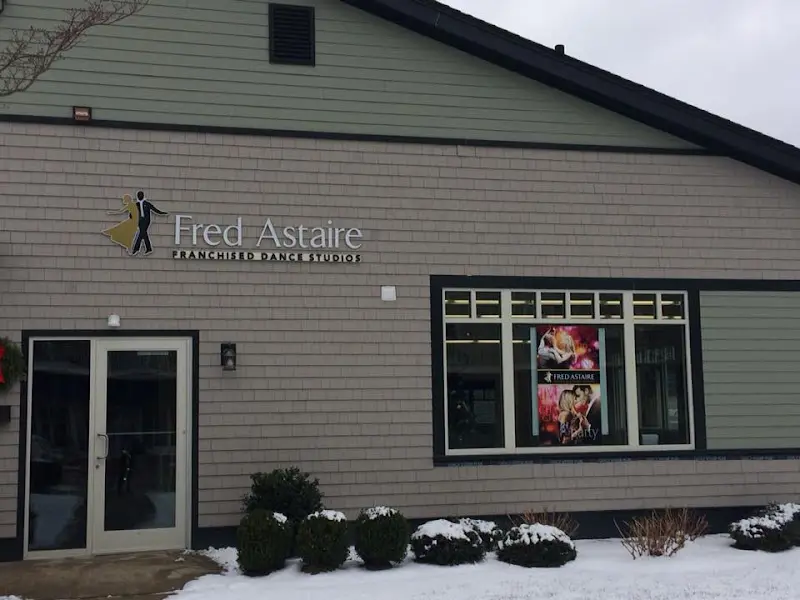
Fred Astaire Dance Studios - Narragansett
Address
1c Pier Market Place
Narragansett, Rhode Island 02882
Opening Hours
- Monday: 1:00 - 9:30 PM
- Tuesday: 1:00 - 9:30 PM
- Wednesday: 1:00 - 9:30 PM
- Thursday: 1:00 - 9:30 PM
- Friday: 1:00 - 9:30 PM
- Saturday: Closed
- Sunday: Closed
About Fred Astaire Dance Studios - Narragansett
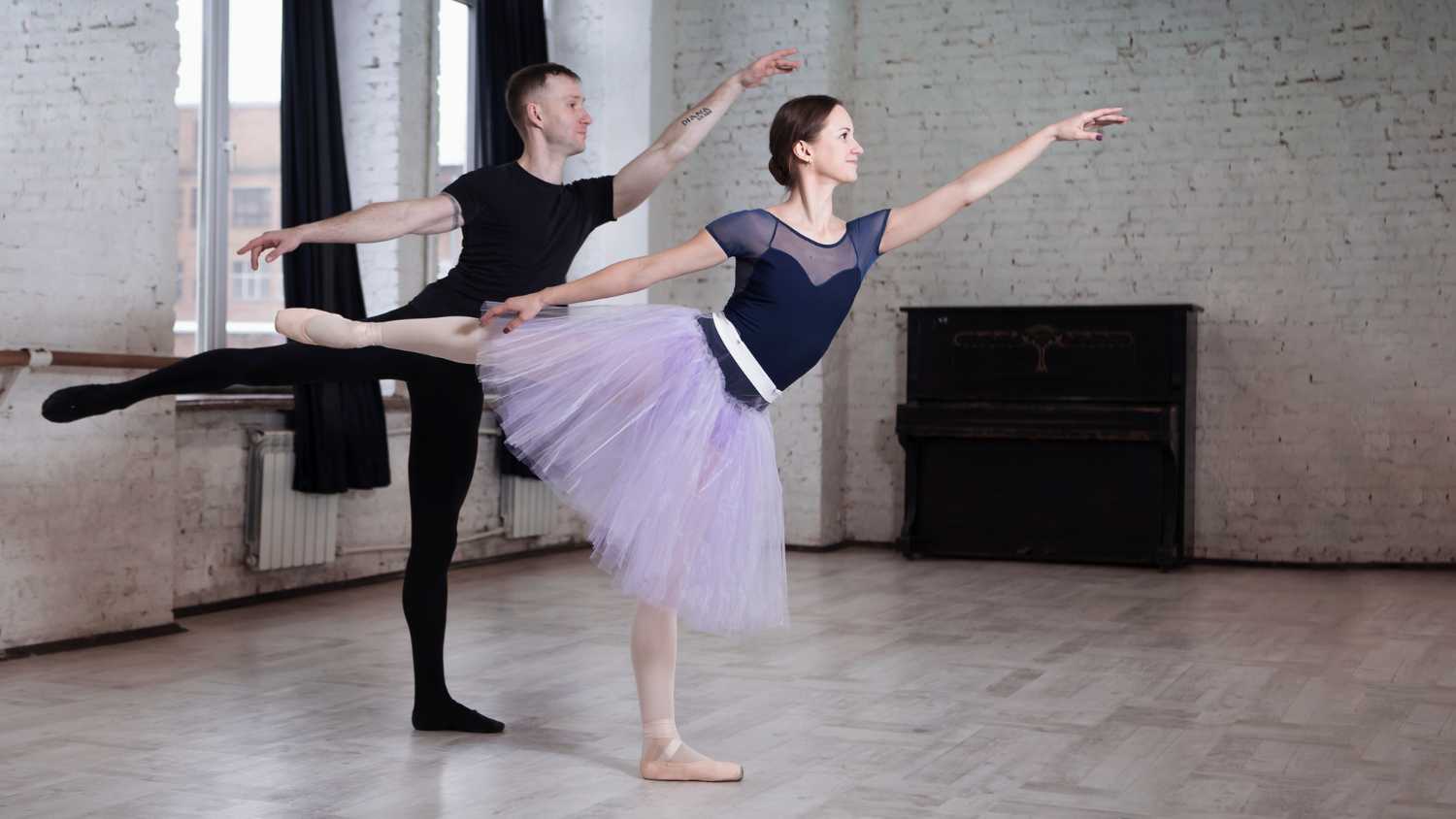
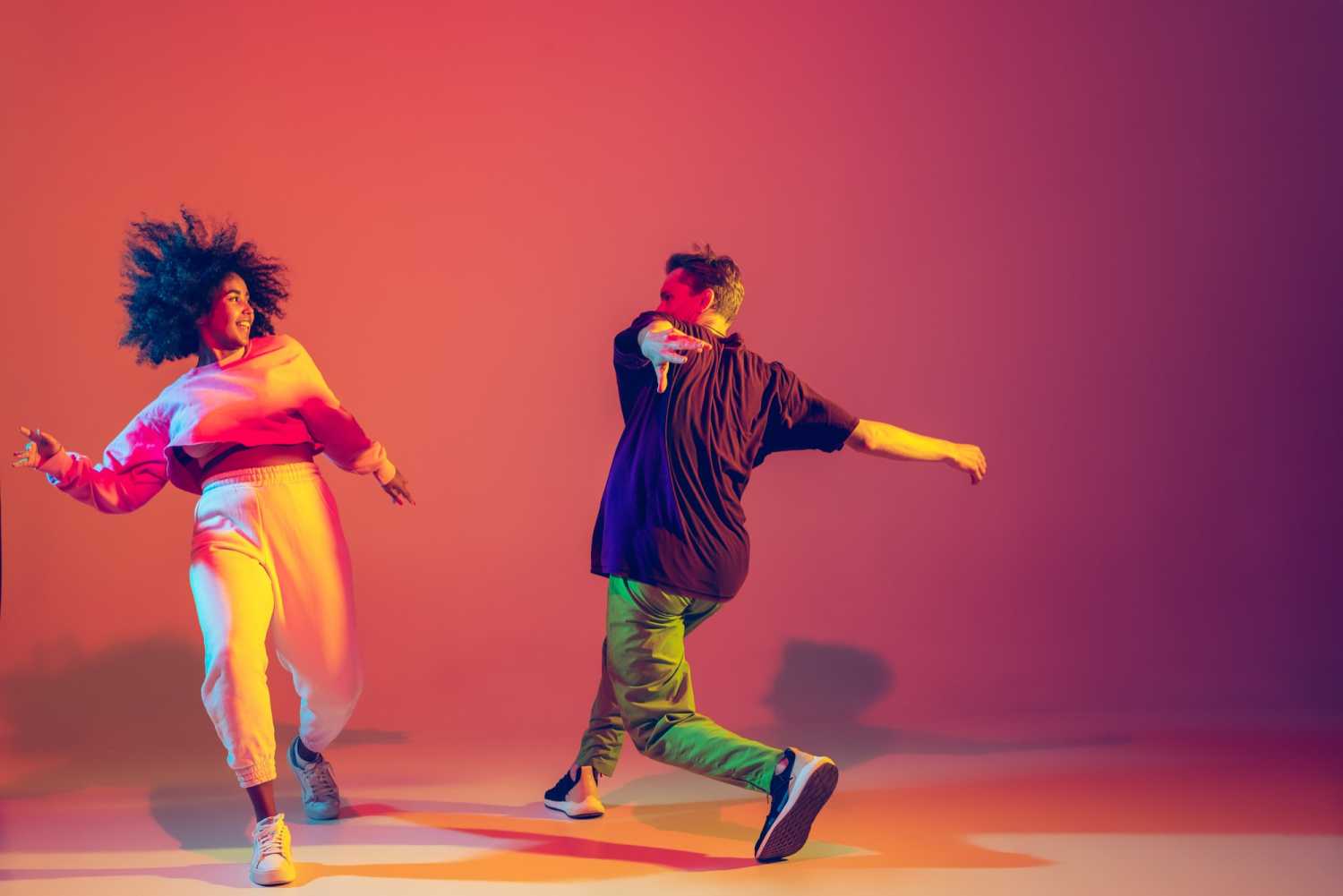
Fred Astaire Dance Studios - Narragansett, located in the heart of Narragansett, Rhode Island, invites you to discover the joy of dance. This renowned studio offers a comprehensive curriculum encompassing a wide array of dance styles, catering to all ages and skill levels. From the elegance of Ballet and the infectious rhythms of Salsa and Hip Hop to the energetic fun of Zumba and the classic grace of Ballroom dancing, there's a style to ignite everyone's passion. Fred Astaire Dance Studios - Narragansett is dedicated to providing a welcoming and supportive environment where students can learn, grow, and express themselves through movement. Whether you're a complete beginner or looking to refine your technique, their expert instructors are committed to guiding you on your dance journey. Explore the art of dance at Fred Astaire Dance Studios - Narragansett and experience the transformative power of movement.
Programs from Fred Astaire Dance Studios - Narragansett
70 programs available
Classes
Two-Step
Country Western
Quickstep
Viennese Waltz
Waltz
Tango
Foxtrot
Argentine Tango
Smooth
Bachata
Jive
Paso Doble
Bolero
Samba
Cha Cha
Rumba
Merengue
West Coast Swing
East Coast Swing
Hustle
Mambo
Salsa
Rhythm
West Coast Swing
West Coast Swing (or Western Swing) quickly gained popularity across the U.S. because of its sophisticated style and easy adaptation to contemporary rock music. A regional style popular on the West Coast of the U.S., the dance made a bid for national recognition in the late 50s and continues to grow in popularity in the 21st century.
Waltz
The Waltz dates back to the country folk dances of Bavaria, some 400 years ago, but was not introduced into “society” until 1812, when it made its appearance in English ballrooms.
Viennese Waltz
The Viennese Waltz, as its known today, was first danced by European royalty during the era of the Austrian composers, Johann Strauss I and Johann Strauss II (1800s). Its hallmark charisma and social grace is typical of that period of history.
Tango Ole!
The Tango made its first appearance during the greatest period of the dance evolution in American history (1910-1914). It was instantly a hit with the dance-conscious public for its intriguing, asymmetrical, and sophisticated patterns which added a touch of romance to the country’s dance consciousness.
Samba
The Samba is a festive and lighthearted dance originating in Bahia, Brazil, that became popular in Rio de Janeiro and later across the world. It is an amalgamation of African and Latin American rhythm adorned with expressive, melodic lines, often performed to a moderately slow tempo in its native land, contrasting with a spirited version favored elsewhere.
Salsa
Oozing with a sensuous style, Salsa has it all – passion, energy, and joy. As a dance form, Salsa has its origins in the Cuban Son and the Afro-Cuban dance, Rumba. As it relates to the popular music style, Salsa is continuously evolving, and new modern dance styles are associated and named according to the geographical areas that they are developed in.
Rumba
Rumba, or “ballroom-rumba”, is one of the ballroom dances which occurs in social dance and in international competitions. It is the slowest of the five competitive International Latin dances.
Quickstep
The Quickstep, with its roots in Ragtime, was developed in the 1920’s in New York from a combination of Foxtrot, Charleston, Peabody and the One-Step. Originally it was danced solo – away from the partner, but later became a partner dance.
Paso Doble
The Paso Doble (or pasodoble), in its classical form dates back many centuries and was originally intended for use at bullfights when the matador was victorious in the arena. The music adapted itself so beautifully to the dance that the villagers danced to the exciting, lively music for hours on end. Americans first viewed the Paso Doble when flamenco dancers used this music to dance the role of a bullfighter. It has been a favorite (in its ballroom version) since the 1930s. In the ballroom version of the Paso Doble, the gentleman usually portrays the bullfighter and the lady is his cape, although there are times when a very strong aggressive action in certain movements seems to suggest the actions of the bull. The Paso Doble moves around the floor and is characterized by sharp movements. A most helpful aid in acquiring the proper feeling is to visualize the pageantry of the matadors, as they make their grand entry into the bull ring and feel the attitude that is displayed during the fight.
Merengue
Merengue is a lively dance style originating from Haiti and the Dominican Republic, known for its staccato rhythm and danced in place to Latin music. It involves favoring one leg more than the other while flexing knees and leaning the body slightly to the same side, often referred to as their “singing dance” due to its exhilarating brightness.
Mambo
No other dance from south of the (U.S.) border has ever attained the instantaneous popularity than the zestful Mambo did when it was first introduced from Latin America. The extent of the Mambo’s reach can be observed by the widespread use of its rhythm by Tin Pan Alley. Love ballads were written to a slow Mambo beat, novelty songs to a fast Mambo beat, and rock ‘n’ roll numbers were being tailored to the tempo. Across the nation, dancers who had never progressed beyond the Foxtrot and Waltz were clamoring for Mambo instruction. The Mambo can be danced according to the individual dancer’s temperament. Conservative dancers can stay in a closed position, while the more daring can perform steps that break apart and completely separate themselves from each other. Spins and turns are quite popular with Mambo dancers.
Jive
The modern form of ballroom jive is a very happy and boppy dance, with many flicks & kicks. The Jive music is written in 4/4 time and should be played at a tempo of about 38 – 44 bars per minute. A spot dance not moving along the Line of Dance. Relaxed, springy action is the basic characteristic of the International Style Jive with lots of flicks and kicks in the advanced style.
Hustle
A touch dance that originated in the late 1960s and throughout the 1970s, evolving from freestyle disco dancing to incorporate intricate turn patterns and influences from mambo, salsa, cha cha, and bolero. It became known as Rope Hustle or Latin Hustle, and later incorporated balletic arms, elasticity, rotational movement, acrobatic and adagio elements. It is a fast, smooth dance with free rhythmic interpretation.
Foxtrot
The Foxtrot dance step was named after Harry Fox, a vaudeville dancer and comedian. This freestyle use of the 'slow step' came into vogue around 1912, during the period of ragtime music. This marked a completely new phase of ballroom dancing where partners danced much closer together and ad-libbed to the new and exhilarating music.
East Coast Swing
Eastern Swing or East Coast Swing (or just Swing), evolved from the Lindy Hop and is perhaps the most famous American folk dance. The best known forms of Swing include the Charleston, Black Bottom, and Shag. In the early 1940s, these forms consolidated into what was called the Lindy.
Cha Cha
Cha Cha is a dance of Cuban origin, and derives its name from the rhythm developed by a syncopation of the fourth beat. Cha Cha gathers its flavor, rhythm and charm from a derivation of three primary sources: the Mambo, Rumba, and indirectly, the Lindy (with each being danced to the same one-two-three triple step).
Bolero
The Bolero was introduced to a U.S. audience in the mid-1930s; and at that time, it was danced in its classical form, which was performed to a constant beat of drums.
Tango
Tango is a dance and music that originated in Buenos Aires at the turn of the century, developed in the melting pot of cultures that was Buenos Aires. The word Tango was used at the time to describe various music and dance. The exact origins of Tango—both the dance and the word itself—are lost in myth and an unrecorded history. The generally accepted theory is that in the mid-1800s, African slaves were brought to Argentina and began to influence the local culture. The word “Tango” may be straightforwardly African in origin, meaning “closed place” or “reserved ground.” Or it may derive from Portuguese (and from the Latin verb tanguere, to touch) and was picked up by Africans on the slave ships. Whatever its origin, the word “Tango” acquired the standard meaning of the place where African slaves and others gathered to dance. Most likely the Tango was born in African-Argentine dance venues attended by compadritos, young men, mostly native born and poor, who liked to dress in slouch hats, loosely tied neckerchiefs and high-heeled boots with knives tucked casually into their belts. The compadritos took the Tango back to the Corrales Viejos—the slaughterhouse district of Buenos Aires—and introduced it in various low-life establishments where dancing took place: bars, dance halls and brothels. It was here that the African rhythms met the Argentine milonga music (a fast-paced polka) and soon new steps were invented and took hold. Eventually, everyone found out about the Tango and, by the beginning of the twentieth century, the Tango as both a dance and as an embryonic form of popular music had established a firm foothold in the fast-expanding city of its birth. It soon spread to provincial towns of Argentina and across the River Plate to Montevideo, the capital of Uruguay, where it became as much a part of the urban culture as in Buenos Aires. The worldwide spread of the Tango came in the early 1900s when wealthy sons of Argentine society families made their way to Paris and introduced the Tango into a society eager for innovation and not entirely averse to the risqué nature of the dance or dancing with young, wealthy Latin men. By 1913, the Tango had become an international phenomenon in Paris, London and New York. The Argentine elite who had shunned the Tango were now forced into accepting it with national pride. The Tango spread worldwide throughout the 1920s and 1930s and came to be a fundamental expression of Argentine culture, and the Golden Age lasted through the 1940s and 1950s. The current revival dates from the early 1980s, when a stage show Tango Argentino toured the world creating a dazzling version of the Tango that is said to have stimulated the revival in the US, Europe and Japan. 2008 is again a period of renewal, of tension between the international and the Argentine, between a desire to recreate the Golden Age, and another to evolve it in the light of modern culture and values. There is an explosion of interest around the world with places to dance in many cities and towns, and a growing circuit of international festivals. Whether you’re looking for a new hobby or a way to connect with your partner, want to improve your social life, or want to take your dancing skills to the next level, Fred Astaire Dance Studios in Narragansett will have you dancing confidently – and having FUN from your very first lesson! Contact us today or stop in! We’re across the street from Tsunama Sushi Restaurant.
Argentine Tango
Argentine Tango is a dance and music that originated in Buenos Aires at the turn of the century, developed in the melting pot of cultures that was Buenos Aires. The word Tango was used at the time to describe various music and dance. The exact origins of Tango—both the dance and the word itself—are lost in myth and an unrecorded history. The generally accepted theory is that in the mid-1800s, African slaves were brought to Argentina and began to influence the local culture. The word “Tango” may be straightforwardly African in origin, meaning “closed place” or “reserved ground.” Or it may derive from Portuguese (and from the Latin verb tanguere, to touch) and was picked up by Africans on the slave ships. Whatever its origin, the word “Tango” acquired the standard meaning of the place where African slaves and others gathered to dance. Most likely the Tango was born in African-Argentine dance venues attended by compadritos, young men, mostly native born and poor, who liked to dress in slouch hats, loosely tied neckerchiefs and high-heeled boots with knives tucked casually into their belts. The compadritos took the Tango back to the Corrales Viejos—the slaughterhouse district of Buenos Aires—and introduced it in various low-life establishments where dancing took place: bars, dance halls and brothels. It was here that the African rhythms met the Argentine milonga music (a fast-paced polka) and soon new steps were invented and took hold. Eventually, everyone found out about the Tango and, by the beginning of the twentieth century, the Tango as both a dance and as an embryonic form of popular music had established a firm foothold in the fast-expanding city of its birth. It soon spread to provincial towns of Argentina and across the River Plate to Montevideo, the capital of Uruguay, where it became as much a part of the urban culture as in Buenos Aires. The worldwide spread of the Tango came in the early 1900s when wealthy sons of Argentine society families made their way to Paris and introduced the Tango into a society eager for innovation and not entirely averse to the risqué nature of the dance or dancing with young, wealthy Latin men. By 1913, the Tango had become an international phenomenon in Paris, London and New York. The Argentine elite who had shunned the Tango were now forced into accepting it with national pride. The Tango spread worldwide throughout the 1920s and 1930s and came to be a fundamental expression of Argentine culture, and the Golden Age lasted through the 1940s and 1950s. The current revival dates from the early 1980s, when a stage show Tango Argentino toured the world creating a dazzling version of the Tango that is said to have stimulated the revival in the US, Europe and Japan. 2008 is again a period of renewal, of tension between the international and the Argentine, between a desire to recreate the Golden Age, and another to evolve it in the light of modern culture and values. There is an explosion of interest around the world with places to dance in many cities and towns, and a growing circuit of international festivals. Whether you’re looking for a new hobby or a way to connect with your partner, want to improve your social life, or want to take your dancing skills to the next level, Fred Astaire Dance Studios in Narragansett will have you dancing confidently – and having FUN from your very first lesson! Contact us today or stop in! We’re across the street from Tsunama Sushi Restaurant.
Country Western Two-Step
At Fred Astaire Dance Studios, we are experts at all styles of ballroom dance – and can incorporate any one (or more!) of them into your Wedding Dance choreography. From a classic Waltz or Foxtrot or sultry Tango, to a fun & lively Country Western Two-Step and more, our certified Dance Instructors can help!
Tango
At Fred Astaire Dance Studios, we are experts at all styles of ballroom dance – and can incorporate any one (or more!) of them into your Wedding Dance choreography. From a classic Waltz or Foxtrot or sultry Tango, to a fun & lively Country Western Two-Step and more, our certified Dance Instructors can help!
Foxtrot
At Fred Astaire Dance Studios, we are experts at all styles of ballroom dance – and can incorporate any one (or more!) of them into your Wedding Dance choreography. From a classic Waltz or Foxtrot or sultry Tango, to a fun & lively Country Western Two-Step and more, our certified Dance Instructors can help!
Waltz
At Fred Astaire Dance Studios, we are experts at all styles of ballroom dance – and can incorporate any one (or more!) of them into your Wedding Dance choreography. From a classic Waltz or Foxtrot or sultry Tango, to a fun & lively Country Western Two-Step and more, our certified Dance Instructors can help!
Party
Group Lessons
Private Lessons
Practice Parties
Our proven teaching method includes Private Lessons, Group Lessons and Practice Parties, to ensure you learn as much as possible, in the shortest amount of time, with the most retention… and have the most FUN doing it!
Group Lessons
Our proven teaching method includes Private Lessons, Group Lessons and Practice Parties, to ensure you learn as much as possible, in the shortest amount of time, with the most retention… and have the most FUN doing it!
Private Lessons
Our proven teaching method includes Private Lessons, Group Lessons and Practice Parties, to ensure you learn as much as possible, in the shortest amount of time, with the most retention… and have the most FUN doing it!
Practice Party
Ignite your passion for rhythm and movement with these exhilarating "Get a Sample of Dancing" Gift Certificates. Whether it’s you or your partner itching to hit the dance floor, this is your golden ticket to begin an unforgettable journey. Dive into the world of dance with us, learning the fundamental steps of the most popular social dances. Get ready to experience the sheer joy and exhilaration of dancing. It’s time to step out of your comfort zone, feel the music, and let your feet do the talking. Let’s dance!
Group Lesson
Ignite your passion for rhythm and movement with these exhilarating "Get a Sample of Dancing" Gift Certificates. Whether it’s you or your partner itching to hit the dance floor, this is your golden ticket to begin an unforgettable journey. Dive into the world of dance with us, learning the fundamental steps of the most popular social dances. Get ready to experience the sheer joy and exhilaration of dancing. It’s time to step out of your comfort zone, feel the music, and let your feet do the talking. Let’s dance!
Private Lessons
Ignite your passion for rhythm and movement with these exhilarating "Get a Sample of Dancing" Gift Certificates. Whether it’s you or your partner itching to hit the dance floor, this is your golden ticket to begin an unforgettable journey. Dive into the world of dance with us, learning the fundamental steps of the most popular social dances. Get ready to experience the sheer joy and exhilaration of dancing. It’s time to step out of your comfort zone, feel the music, and let your feet do the talking. Let’s dance!
Ballroom Dance Styles for Wedding Dance Choreography
Expert instruction in all styles of ballroom dance, including Waltz, Foxtrot, Tango, and Country Western Two-Step, to incorporate into personalized Wedding Dance choreography.
2 Private Lessons – 1 Group – 1 Party
This package offers a comprehensive introduction to wedding dance, combining private instruction, group sessions, and a party experience to build skills and confidence for your special day.
wedding dance instruction
In addition to Para Dance lessons, the studio offers weekly group classes, private lessons, wedding dance instruction and more.
private lessons
In addition to Para Dance lessons, the studio offers weekly group classes, private lessons, wedding dance instruction and more.
Adaptive ballroom dancing
The Fred Astaire Dance Studios of Narragansett is excited to bring a fresh and new style of teaching to people in wheelchairs. We offer a hobby/sport that’s social, active and fun.
Para Dance
A style of dancing that allows individuals with physical impairments that affect the lower limbs to perform and express themselves through dance. Our Para Dance instructors are certified ballroom dancers with a passion for helping those with special needs learn to dance.
Wheelchair Dancing
A fresh and new style of teaching to people in wheelchairs. We offer a hobby/sport that’s social, active and fun. That is why we are excited to bring adaptive ballroom dancing, or Para Dance, to our Rhode Island community.
Practice Parties
Practice parties at Fred Astaire Dance Studios are an integral part of our proven teaching method, ensuring you learn as much as possible, in the shortest amount of time, with the most retention, and have the most fun doing it. Join our dance community for a joyful experience.
Group Lessons
Group lessons at Fred Astaire Dance Studios are part of a proven teaching method that includes private lessons and practice parties to ensure you learn as much as possible, in the shortest amount of time, with the most retention. Discover how much fun ballroom dancing can be.
Private Lessons
Private lessons at Fred Astaire Dance Studios are tailored to meet your individual goals and budget, ensuring you learn as much as possible, in the shortest amount of time, with the most retention. Our gifted dance educators are dedicated to helping you discover the joy of ballroom dancing.
Ballroom Dance
And at Fred Astaire Dance Studios, learning how to ballroom dance is always fun! Step inside, and discover a warm, welcoming & 100% non-judgmental community that will inspire you to reach new heights, feel and look confident, and have fun doing it.
Salsa
From the elegant Waltz to the sizzling Salsa, discover a symphony of dance styles waiting for you. Find your favorite beat and let the music move you!
Waltz
From the elegant Waltz to the sizzling Salsa, discover a symphony of dance styles waiting for you. Find your favorite beat and let the music move you!
monthly group classes
The Tori Lynn Andreozzi Foundation has done just that too, they’ve sponsored monthly group classes open for anyone and everyone who like to come in and wheel around the floor. Just call and reserve your spot today!
group classes
In addition to Para Dance lessons, the studio offers weekly group classes, private lessons, wedding dance instruction and more.
Frequently Asked Questions
How do I contact Fred Astaire Dance Studios - Narragansett?
Call Fred Astaire Dance Studios - Narragansett at (401) 515-4007 or visit https://www.fredastaire.com/narragansett.
What is Fred Astaire Dance Studios - Narragansett's phone number?
Fred Astaire Dance Studios - Narragansett's phone number is (401) 515-4007.
What days is Fred Astaire Dance Studios - Narragansett open?
Fred Astaire Dance Studios - Narragansett is open on Monday, Tuesday, Wednesday, Thursday, Friday.
How much do classes cost at Fred Astaire Dance Studios - Narragansett?
Classes at Fred Astaire Dance Studios - Narragansett start at $65.
What are Fred Astaire Dance Studios - Narragansett's hours?
Fred Astaire Dance Studios - Narragansett is open Monday: 1:00 - 9:30 PM, Tuesday: 1:00 - 9:30 PM, Wednesday: 1:00 - 9:30 PM, Thursday: 1:00 - 9:30 PM, Friday: 1:00 - 9:30 PM.
More studios near this location
Discover other dance studios around Narragansett, Rhode Island.